
Úvod: Mladá hviezda na umeleckom nebi
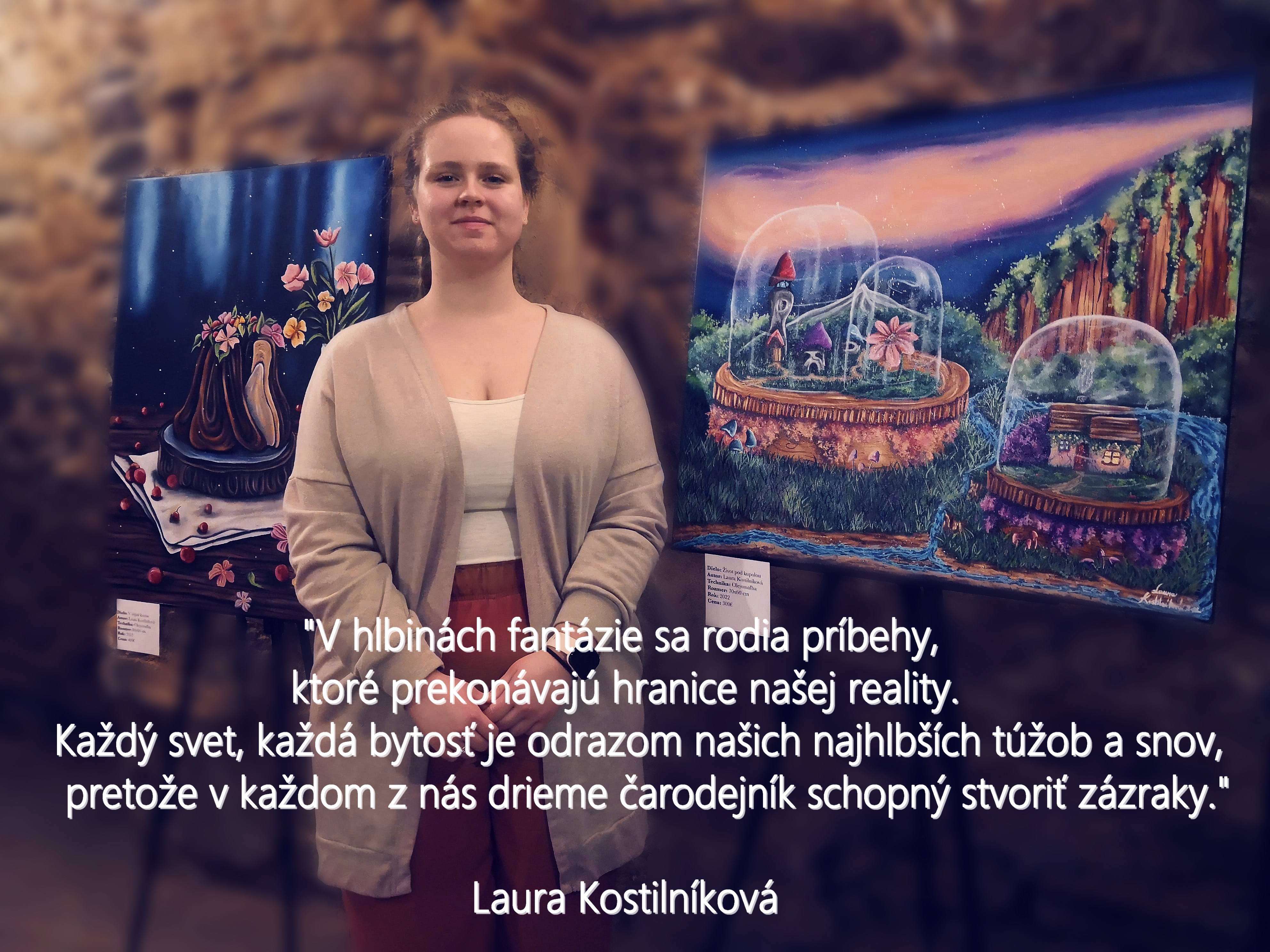
Laura Kostilníková je vychádzajúcou hviezdou na súčasnej výtvarnej scéne, ktorá svojou tvorbou preukazuje, že umenie môže byť mostom medzi realitou a fantáziou. Jej práce sú plné farebných tónov, symboliky a snových motívov, ktoré ju odlišujú od ostatných umelcov. Laura je známa tým, že do svojich diel vkladá nielen technickú zručnosť, ale aj hlboké emócie a osobné príbehy, čím zanecháva nezmazateľnú stopu v srdciach divákov. Jej práca sa vyznačuje sofistikovaným spojením barokových techník s moderným prístupom k olejomaľbe a digitálnemu umeniu, pričom sa nevyhýba ani experimentovaniu s akrylom a akvarelom.
Štýl a technika: Kombinácia tradície a modernej kreativity
Laura sa špecializuje na techniku olejomaľby, ktorá jej umožňuje vytvárať jemné farebné prechody a zložité vrstvy svetla a tieňa. Olejomaľba je náročná disciplína, ktorá si vyžaduje nielen technickú presnosť, ale aj trpezlivosť a cit pre detaily. Laura tento náročný proces ovláda s eleganciou, pričom často používa aj techniky ako glazúra či sfumato, ktoré jej umožňujú vytvárať ilúziu hĺbky a priestorovosti. Jej diela sú pozoruhodné svojou živou farebnosťou a realistickými, no pritom mierne idealizovanými motívmi. Nevyhýba sa ani moderným prvkom, akými sú experimentálne textúry a kombinácie tradičných a digitálnych techník, čo jej umožňuje ešte viac rozšíriť svoje umelecké obzory.
Digitálne umenie je ďalšou sférou, v ktorej Laura exceluje. Využíva programy ako Adobe Photoshop a grafický tablet na vytváranie digitálnych ilustrácií, ktoré kombinujú tradičné výtvarné techniky s možnosťami modernej technológie. Jej digitálne diela sa vyznačujú precíznosťou a detailnosťou, pričom každý kúsok je premyslený do posledného ťahu štetcom či kliknutia myšou.
Tematika a inšpirácie: Fantázia a mýty ako zdroj nekonečnej kreativity
Jedným z hlavných motívov v Laurinej tvorbe sú mýty a legendy, ktoré pre ňu predstavujú nekonečný zdroj inšpirácie. Fascinácia slovanskou mytológiou sa odráža v jej dielach, kde často zobrazujú bohov, mystické bytosti a magické krajiny. Laura sa však nezameriava iba na slovanské mýty, ale s radosťou objavuje aj prvky gréckej, severskej, japonskej či čínskej mytológie. Tieto kultúrne odkazy jej umožňujú vytvárať komplexné a vrstvené kompozície, ktoré rezonujú s divákmi na hlbokej emocionálnej úrovni.
Laurina tvorba sa vyznačuje tým, že v jej dielach možno nájsť jemné odkazy na nadprirodzeno, ktoré však nikdy neprevezmú hlavnú úlohu, ale skôr dopĺňajú a obohacujú celkový príbeh. Jej obrazy sú často metaforické, plné symbolov, ktoré nechávajú diváka, aby si v nich našiel svoj vlastný význam. Takýto prístup jej umožňuje zachovať univerzálnosť svojich diel, pričom si však stále udržuje svoju jedinečnú umeleckú identitu.
Vzdelanie a kariéra: Cesta sebazdokonaľovania
Laura Kostilníková začala svoju umeleckú dráhu už v mladom veku, pod vplyvom svojej mamy, ktorá ju viedla k maľovaniu a kreativite. Od detstva bola obklopená farbami a štetcami, a už od útleho veku prejavovala výnimočný talent na kreslenie a maľovanie. Aj keď sa vzdelávala prevažne samostatne, jej túžba po zdokonaľovaní ju priviedla na školu umeleckého priemyslu vo Svidníku, kde sa rozvinula nielen v tradičných technikách, ale objavila aj nové smery, ako digitálna ilustrácia. Laura neprestáva pracovať na sebe a naďalej rozvíja svoje zručnosti, či už prostredníctvom vlastného štúdia alebo kurzov pod vedením renomovaných umelcov, akým je Didier Le Mar.
Jej aktívne pôsobenie v rámci Klubu slovenských výtvarníkov BEAUTIFUL ART (K.S.V.B.A) jej poskytuje priestor na výmenu skúseností s inými umelcami a možnosť zúčastňovať sa na výstavách, kde môže prezentovať svoju prácu širšiemu publiku. Táto platforma jej umožňuje neustále rásť a rozvíjať sa ako výtvarníčka, pričom jej diela nachádzajú cestu do súkromných zbierok aj galérií.
Fantasy žáner v Laurinej tvorbe: Spájanie reality s fantastickým svetom
Fantasy žáner v Laurinej tvorbe je špecifický svojou schopnosťou vytvárať paralelné svety, ktoré sú plné magických bytostí, záhadných krajín a nadprirodzených udalostí. Jej obrazy často balansujú na pomedzí skutočnosti a snu, pričom každý kúsok nesie svoj vlastný príbeh, ktorý čaká na odhalenie. Fantázia je pre Lauru nielen umeleckým štýlom, ale aj prostriedkom, ako uniknúť do sveta bez obmedzení, kde sú hranice medzi realitou a predstavivosťou rozmazané. Tento prístup jej umožňuje vytvárať diela, ktoré sú nielen vizuálne príťažlivé, ale aj mentálne stimulujúce.
Jej práce v oblasti fantasy sa vyznačujú bohatou farebnosťou, kde dominujú odtiene modrej a fialovej, často doplnené zlatými prvkami, ktoré dodávajú dielam mystický nádych. Tieto farby jej pomáhajú vytvárať atmosféru tajomnosti a hĺbky, ktorá diváka priam vtiahne do deja. Jej fantasy diela nie sú len estetickým zážitkom, ale aj výzvou pre diváka, aby sa zamyslel nad skrytými významami a symbolikou, ktorú Laura vkladá do každého kúsku svojej tvorby.
Emocionálny rozmer a srdečnosť: Laura ako človek a umelkyňa
Laura je nielen talentovaná umelkyňa, ale aj srdečný a otvorený človek, ktorý do svojej tvorby vkladá kúsok seba. Jej obrazy sú odrazom jej osobných emócií a zážitkov, čo im dodáva autenticitu a hĺbku. Každý obraz je pre ňu spôsobom, ako vyjadriť svoje pocity, či už ide o radosť, smútok alebo údiv nad krásou sveta. Laura často hovorí o umení ako o forme terapie, ktorá jej pomáha spracovať vlastné skúsenosti a zdieľať ich s ostatnými. Jej srdečnosť a úprimnosť sú cítiť nielen v jej dielach, ale aj v osobných stretnutiach s fanúšikmi a zberateľmi, ktorí sa často vracajú práve kvôli tejto ľudskej stránke jej tvorby.
Ohlas a budúcnosť: Rastúca hviezda na umeleckom nebi
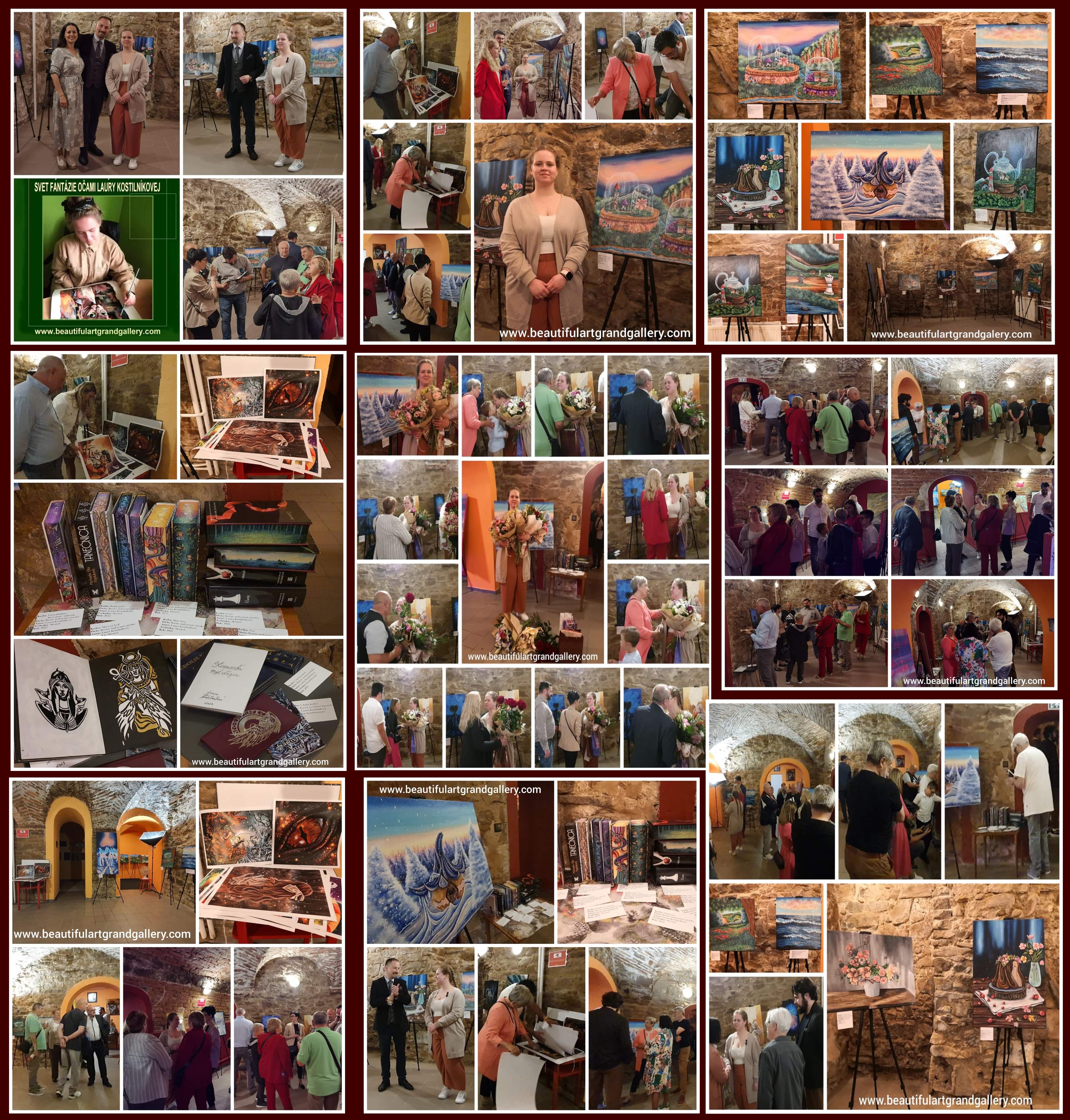
Diela Laury Kostilníkovej sa stretávajú s pozitívnym ohlasom nielen medzi kritikmi, ale aj medzi divákmi, ktorí oceňujú jej schopnosť vytvárať obrazy, ktoré sú nielen krásne na pohľad, ale aj obohacujúce pre ducha. Jej nedávna výstava "Svet fantázie očami Laury Kostilníkovej" v BEAUTIFUL ART gallery bola skutočným triumfom, ktorý potvrdil jej miesto medzi talentovanými výtvarníkmi súčasnosti. Laura plánuje naďalej rozvíjať svoje zručnosti a skúmať nové techniky a témy, pričom jej cieľom je neustále prekonávať seba samú a posúvať hranice svojej tvorby.
S každým novým dielom Laura Kostilníková ukazuje, že je nielen zručná maliarka, ale aj vizionárka, ktorá svojou tvorbou prispieva k obohateniu súčasnej výtvarnej scény. Jej cesta v umení je plná objavov, inovácií a hlbokých emócií, ktoré ju vedú k novým výzvam a úspechom. Laura je príkladom toho, že s vášňou, odhodlaním a otvorenosťou k novým skúsenostiam možno dosiahnuť veľké veci.
Výstava Laury L.Kostilníkovej s názvom Svet fantázie očami Laury Kostilníkovej, ktorá prebiehala v priestoroch BEAUTIFUL ART gallery v Prešove, predstavila návštevníkom fascinujúci pohľad do sveta plného fantázie a magických scenérií. Kurátormi výstavy boli renomovaní slovenskí umelci Didier Le Mar a Lucia Takáčová, ktorí prispeli k jej vizuálnemu a umeleckému usporiadaniu, čím ešte viac umocnili zážitok z L.Kostilníkovej tvorby.
Diela vystavené na výstave odrážali L.Kostilníkovej jedinečný štýl, ktorý spája realistické prvky s fantastickými motívmi. Obrazy ako „sklenené dómy s miniatúrnymi záhradami a domčekmi“ zobrazovali krehkosť a krásu, zachytenú vo fiktívnych svete, ktorý evokuje pocit nostalgie a ochrany. Tieto diela, s jemnými pastelovými odtieňmi ružovej, fialovej a zelenej, vyžarujú pocit pokoja a intimity, pripomínajúc detailné ilustrácie v knihách rozprávok.
Obraz s jazierkom plným vážok a leknínov vyžaroval žiarivú energiu a pohyb. Jeho farebná škála sa rozprestierala od sýtých modrých vôd až po svetlé ružové a fialové tóny leknínov, vytvárajúc snovú atmosféru, ktorá vtiahne diváka do magického sveta prírody. Detailnosť každého krídla vážky a jemné ťahy štetca, ktoré vytvárajú ilúziu pohybu vo vode, pripomínajú techniku pointilizmu, pričom každý bod farby prispieva k celkovému živému dojmu.
Ďalšie dielo, zasnežená krajina s domčekom skrytým medzi vysokými ihličnatými stromami, prinieslo pokojné zimné čaro. Jemné prechody bielej a modrej farby v snehu, spolu s hravými tvarmi domčeka, vytvárajú pocit útulnosti a bezpečia v inom svete. Tento obraz, s jeho detailmi a pastelovou farebnosťou, pripomína fantazijné ilustrácie z kníh pre deti, kde je každý kútik plný záhad a zázrakov.
Obraz s miniatúrnym domčekom a krajinou umiestnený vo vnútri čajníka bol ďalším úžasným príkladom L.Kostilníkovej schopnosti spájať bežné objekty s fantáziou. Tento surrealistický prvok dodáva dielu hravosť a originalitu, čím vytvára pocit, že každý objekt v bežnom svete môže skrývať celú krajinu alebo príbeh. Použitie jemných modrých a zelených odtieňov spolu so zlatistými akcentmi vytvárajú snovú a príťažlivú atmosféru.
Na výstave nechýbali ani diela, ktoré prepájali zátišia s fantastickými prvkami, ako napríklad obraz torty zdobenej kvetmi, ktorá pôsobila nielen vizuálne lákavo, ale aj evokovala zmyslový zážitok. Hra so svetlom a tieňom v tomto diele, spolu s použitím jemných detailov, dodávala obrazu živú a takmer realistickú textúru, ktorá zdôraznila L.Kostilníkovej majstrovstvo v práci so svetlom a farbami.
Kurátori Didier Le Mar a Lucia Takáčová výborne usporiadali diela do harmonického celku, ktorý umožnil návštevníkom voľne putovať medzi jednotlivými svetmi vytvorenými na plátne. Didier Le Mar, so svojou skúsenosťou v umení, a Lucia Takáčová, s jej citom pre detaily a jemnosť, pridali výstave unikátnu atmosféru, kde sa každý obraz stal bránou do nového príbehu.
Výstava Laury Kostilníkovej bola skutočnou oslavou kreativity a umeleckej vízie, kde sa realita stretáva s fantáziou. Jej diela očarili návštevníkov svojou krásou, detailnosťou a snovou atmosférou, pričom každý obraz priniesol kúsok magického sveta, do ktorého sa diváci radi ponorili. Výstava ukázala, že Laura Kostilníková je umelkyňa s výnimočným talentom a schopnosťou vytvárať vizuálne príbehy, ktoré dokážu oživiť predstavivosť každého diváka.


Názov diela: Rokfort
Autorka: Laura Kostilníková
Technika: Olejomaľba
Žáner: Fantasy
Maľba s názvom Rokfort zobrazuje majestátny hrad, ktorý dominuje centrálnej časti kompozície, rozkladajúci sa na vrchole skalnatého útesu obklopeného vodnou plochou. Autorka využíva atmosférickú perspektívu, vytvorenú vrstvením odtieňov modrej, zelenej a fialovej, čo navodzuje pocit hĺbky a vzdialenosti. Svetelné akcenty z osvetlených okien hradu a ohňov v popredí dodávajú kompozícii dynamiku a vedú zrak diváka priamo k centru obrazu.
Farebná paleta diela je dominantne chladná, s prevahou modrých a zelených tónov, ktoré vytvárajú nočnú, tajomnú atmosféru v súlade s fantasy témou. Tento chladný kolorit je harmonicky doplnený teplými oranžovými a žltými svetelnými akcentmi hradu, ktoré vytvárajú výrazný kontrast a priťahujú pozornosť diváka. Efekt svetelného zdroja v podobe splnu mesiaca, ktorý sa zrkadlí na hladine vody, pridáva obrazu hĺbku a dodáva celkovému výrazu mystiku.
Autorka využíva techniku olejomaľby, kde vynikajú techniky glazúry a sfumato pre jemné prechody medzi tieňmi a svetlami. Detailná práca na architektonických prvkoch hradu, ako sú veže, okná a textúry, svedčí o technickej zručnosti a dôkladnom prístupe k vytváraniu komplexného vizuálneho sveta. Hladké prechody a vrstvenie farieb dodávajú obrazu jemnosť a zároveň hĺbku.
Kompozícia je symetrická s centrálnou osou prechádzajúcou cez hrad, čo vytvára pocit rovnováhy a stability. Hrad slúži ako hlavné ohnisko obrazu, pričom jeho umiestnenie a veľkosť dominujú celému dielu. Stromy a skaly v popredí a po stranách kompozície slúžia ako rámovanie scény, ktoré uzatvárajú obraz a vytvárajú pocit uzavretého priestoru, čím umocňujú tajuplnú atmosféru.
Dielo Rokfort pôsobí ako okno do fantazijného sveta, evokujúc pocit úniku z reality a ponorenia sa do mystického, neznámeho prostredia. Použitie chladných tónov a svetelných kontrastov vytvára snovú atmosféru plnú tajomstiev a neznámeho. Autorka týmto dielom demonštruje svoj majstrovský prístup k detailu, zmysel pre kompozíciu a výborné ovládanie techník olejomaľby, čo spolu vytvára vizuálne podmanivý a emotívny zážitok pre pozorovateľa.
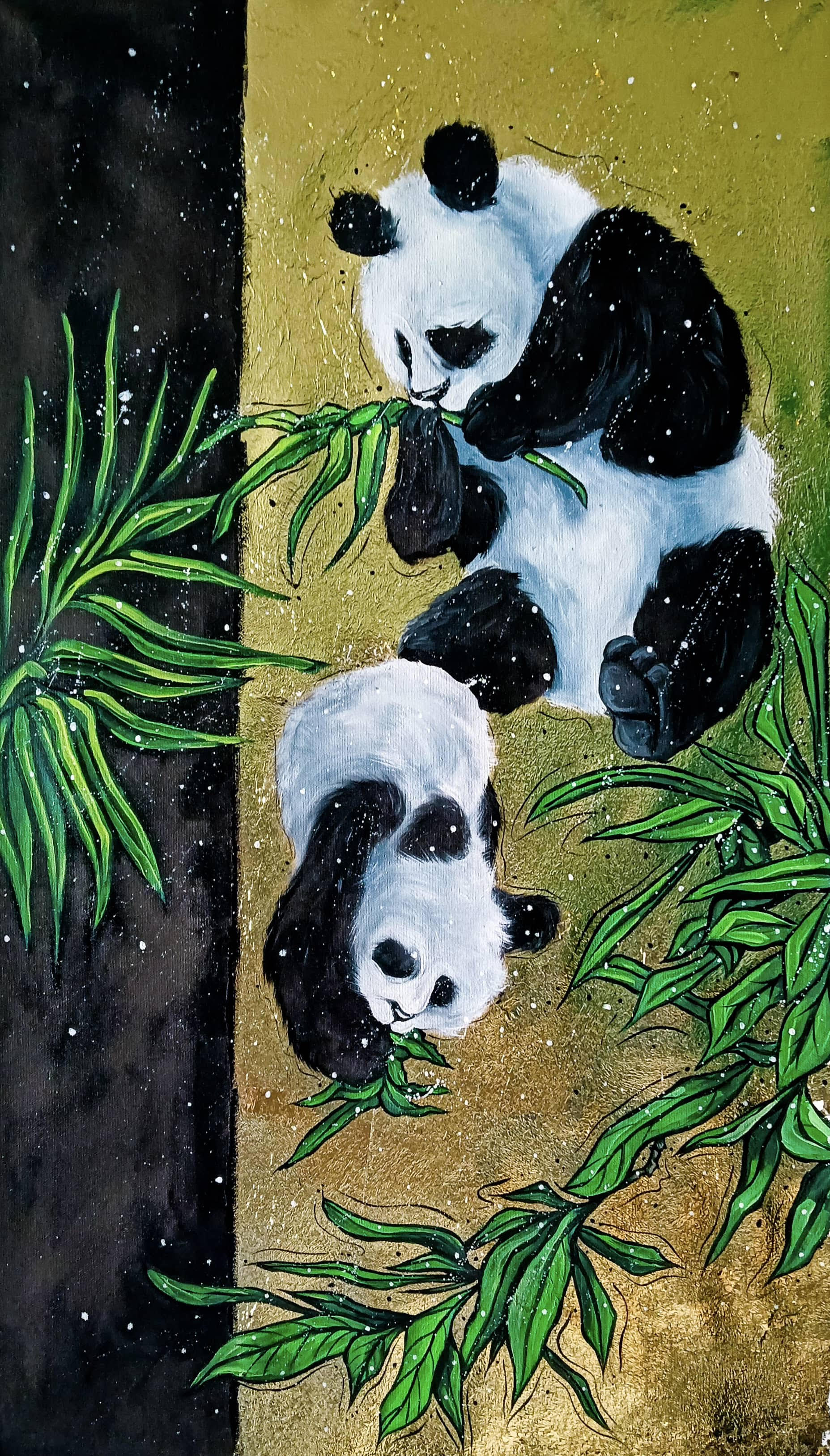
Názov diela: Zlaté pandy
Autorka: Laura Kostilníková
Technika: Olejomaľba
Žáner: Zvieracia tematika, súčasné umenie
Dielo Zlaté pandy zachytáva dve pandy v uvoľnenej polohe pri jedení bambusových listov. Kompozícia je vertikálne orientovaná, čo pridáva dynamiku a zdôrazňuje interakciu medzi pandami a ich prostredím. Hlavné prvky obrazu, pandy a bambus, sú umiestnené symetricky, čím vytvárajú rovnováhu v kompozícii. Výrazná diagonálna línia delí pozadie na tmavú a svetlú časť, čím umocňuje kontrast medzi postavami pand a ich prostredím.
Farebná paleta diela kombinuje kontrastné tóny čiernej a bielej na pandách s teplými zlatými a olivovými odtieňmi pozadia. Tento farebný kontrast zvýrazňuje pandy, ktoré sú centrálnym bodom obrazu, a zároveň dodáva dielu pocit luxusu a vznešenosti, čo naznačuje aj samotný názov diela. Bambusové listy sú vykreslené v sýtej zelenej, ktorá dodáva kompozícii živosť a vytvára spojenie medzi pandami a ich prirodzeným prostredím.
Použitá technika olejomaľby umožňuje autorke vytvoriť bohaté textúry a jemné prechody medzi farbami. Povrchová úprava pozadia so zlatistým efektom vytvára zaujímavú textúru, ktorá kontrastuje s hladkosťou srsti pand. Autorka využíva techniky impasta pre dodanie hĺbky a reliéfu, čím zvýrazňuje plastickosť bambusových listov a pand. Tento kontrast medzi hladkými a textúrovanými prvkami dodáva obrazu ďalšiu dimenziu a vizuálny záujem.
Obraz vyžaruje pokoj a harmóniu, pričom pandy pôsobia spokojne a prirodzene vo svojom prostredí. Zlaté pozadie dodáva scénam pocit vznešenosti a vytvára dojem, akoby pandy boli súčasťou nejakého vzácneho, takmer posvätného momentu. Celková atmosféra obrazu je pokojná a jemná, podporená jemným osvetlením, ktoré zdôrazňuje detaily srsti a listov.
Dielo môže byť interpretované ako oslava prírodného sveta a jeho krásy, pričom pandy predstavujú symbol jemnosti, nevinnosti a harmónie s prírodou. Zlaté pozadie môže tiež naznačovať vzácnosť a ochranu prírodných krás, ktoré sú hodné zachovania a úcty.
Týmto dielom Laura Kostilníková ukazuje svoju schopnosť vytvoriť esteticky príťažlivé a vizuálne zaujímavé dielo, ktoré kombinuje technickú zručnosť s hlbokou citlivosťou k prírode a jej obyvateľom.

Názov diela: Príbeh mesiaca
Autorka: Laura Kostilníková
Technika: Olejomaľba na plátne
Žáner: Fantasy, romantizmus
Maľba Príbeh mesiaca využíva asymetrickú kompozíciu s centrálnym bodom v podobe tradičného altánku, ktorý je umiestnený na zlatej špirále. Tento prístup k umiestneniu ohniska dodáva dielu harmonický a plynulý vizuálny tok, ktorý vedie divákov pohľad cez rôzne úrovne obrazovej roviny. Perspektíva je lineárna, no s využitím diagonálnych a zakrivených línií, ktoré vytvárajú hlboký pocit priestoru a pozývajú diváka na vizuálnu púť cez obraz.
Farebná paleta diela je charakterizovaná chromatickým kontrastom medzi chladnými, sytými modrými a zelenými tónmi pozadia a teplými, zlatistými odtieňmi svetla vychádzajúceho z altánku. Tento teplý-chladný kontrast vytvára výrazný farebný disonant, ktorý umocňuje atmosféru tajomstva a jemnej melanchólie. Použitie luminiscencie pri zobrazení mesiaca zdôrazňuje jeho dominanciu na oblohe a jeho vplyv na celkový farebný tón diela.
Technická stránka diela je založená na použití olejových pigmentov s vysokou viskozitou, ktoré umožňujú vytváranie bohatých textúr a hladkých prechodov. Autorka aplikuje techniky sfumata na vytvorenie mäkkých prechodov medzi svetlami a tieňmi, čo dodáva dielu jemnosť a plynulosť. Impasto technika sa uplatňuje pri detailoch vegetácie, čo vytvára haptický efekt a dodáva trojrozmernosť prvkom v popredí. Reflexné kvality povrchu vody sú zvýraznené precíznym použitím lazúrových vrstiev, ktoré simulujú priesvitnosť a hĺbku.
Svetelná dynamika obrazu je zložená zo strategického umiestnenia svetelných zdrojov, pričom hlavným zdrojom svetla je mesiace žiariace na oblohe. Svetlo prenikajúce cez listy a padajúce okvetné lístky vytvára subtilný chiaroscuro efekt, ktorý zvýrazňuje priestorové vzťahy medzi jednotlivými prvkami kompozície. Atmosféra diela je evokovaná kombináciou luminiscencie a textúr, čo vytvára impresiu tichého, no mystického nočného sveta, v ktorom každá scéna je prepletená s prvkami príbehu a fantázie.
Príbeh mesiaca môže byť interpretovaný ako metafora harmónie medzi človekom a prírodou. Mesiac, ako centrálna dominanta na oblohe, funguje nielen ako svetelný zdroj, ale aj ako symbolický prvok, reprezentujúci snové sféry, neznáme túžby a introspektívne putovanie. Altánok je ikonografickým vyjadrením ochranného priestoru, introspekcie a kontemplácie, zatiaľ čo hustá vegetácia a kvitnúce stromy symbolizujú plnosť života, znovuzrodenie a spojenie s prírodou.
Dielo autorky Laury Kostilníkovej preukazuje jej zručnosť v ovládaní technických aspektov olejomaľby, ako aj jej schopnosť vytvárať naratívne bohaté a vizuálne pôsobivé obrazy. Maľba kombinuje prvky realizmu a romantizmu s fantastickými motívmi, čím vytvára komplexný vizuálny príbeh, ktorý rezonuje s divákom na emocionálnej aj intelektuálnej úrovni.
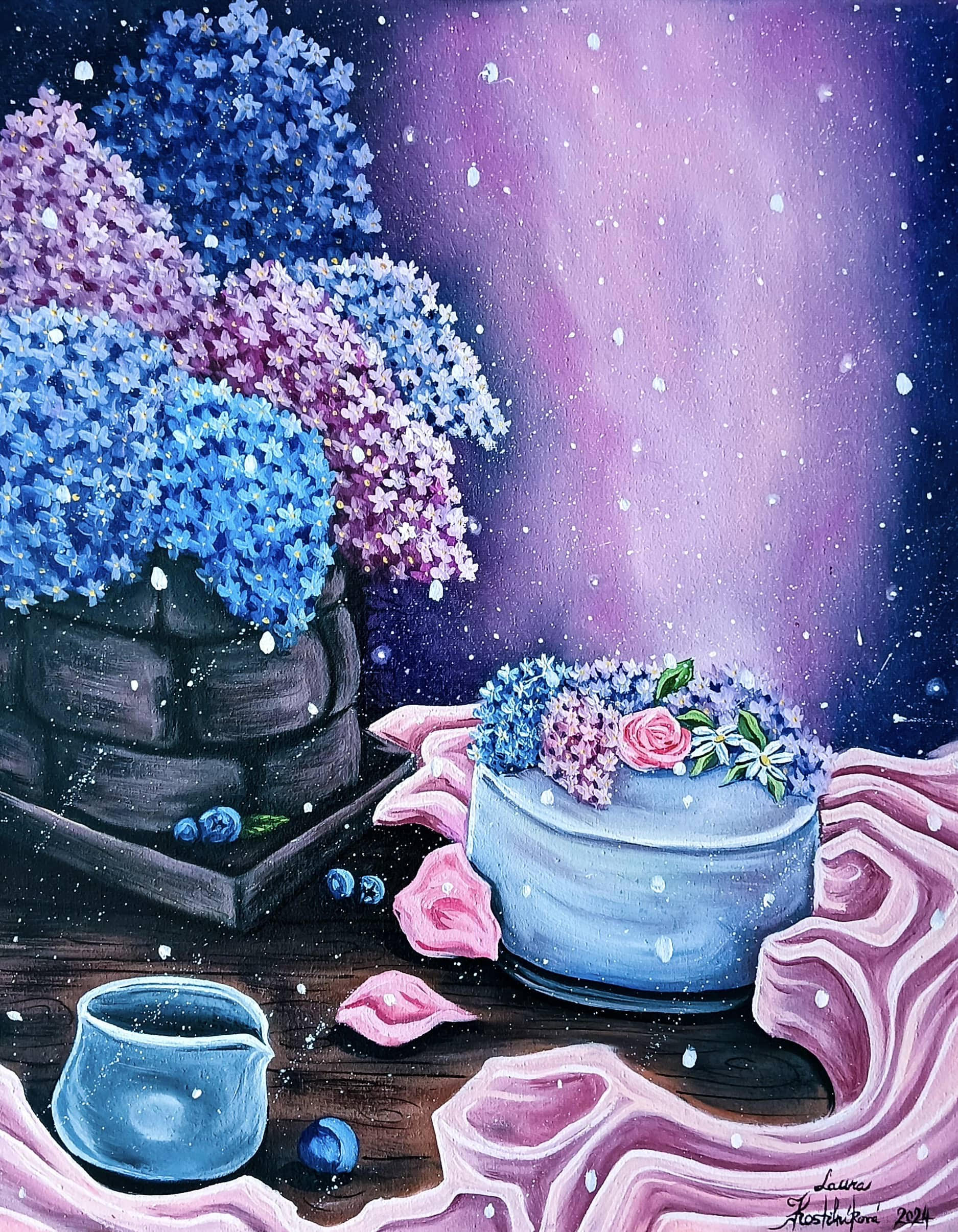
Názov diela: Vesmírne orgovány
Autorka: Laura Kostilníková
Technika: Olejomaľba na plátne
Žáner: Still life (Zátišie), surrealizmus
Maľba Vesmírne orgovány prezentuje zátišie, kde hlavnými motívmi sú kytice orgovánov, torta zdobená kvetmi a dekoračné prvky rozložené na stole. Kompozícia je vyvážená, so symetrickým rozložením prvkov po oboch stranách centrálnej vertikálnej osi, čo vytvára pocit harmónie a stability. Perspektíva je skôr plošná s minimálnou hĺbkou, čo sústreďuje pozornosť na samotné objekty a ich farebné a texturálne kvality.
Farebná paleta diela sa opiera o kontrast medzi studenými modrými a fialovými tónmi a teplými ružovými akcentmi. Dominantné odtiene modrej a fialovej vytvárajú tajomnú, snovú atmosféru, ktorá evokuje vesmírne prostredie, ako naznačuje aj názov diela. Použitie pastelových odtieňov a jemných farebných prechodov prispieva k jemnosti a lyrickému charakteru obrazu. Ružové akcenty a svetelné efekty na povrchu objektov pridávajú dielu živelnosť a kontrast.
Autorka využíva olejomaľbu s dôrazom na detail a jemné textúry, pričom využíva techniku pointilizmu pri zobrazení kvetov, čo dodáva povrchu jemnú štruktúru a haptickú kvalitu. Pri zobrazovaní torty a nádob sa autorka spolieha na hladké prechody a gradácie svetla, dosiahnuté pomocou jemných glazúr. Vrstvenie farieb s použitím tenkých, transparentných vrstiev umožňuje autorke dosiahnuť hĺbku a jemnosť farebných prechodov, čím sa zvyšuje celkový vizuálny dojem.
Svetelná dynamika v diele je vytvorená prostredníctvom difúzneho svetla, ktoré jemne osvetľuje objekty a ich okolie. Tento typ osvetlenia vytvára éterickú atmosféru a pridáva na surreálnom pocite celého diela. Svetlo sa odráža od hladkých povrchov a je tlmené matnými textúrami kvetov, čo umocňuje efekt snovej scény. Atmosférický efekt je podporený jemnými, takmer nepostrehnuteľnými časticami vo vzduchu, ktoré dodávajú obrazu dojem, akoby bol umiestnený v inom, mimozemskom prostredí.
Dielo Vesmírne orgovány môže byť interpretované ako metaforické spojenie pozemských elementov s vesmírnymi motívmi. Orgovány predstavujú krásu a prchavosť života, zatiaľ čo ich umiestnenie v kontexte s tortou a vesmírnymi motívmi môže naznačovať oslavu života a jeho prepojenie s niečím väčším, mimozmyslovým. Surrealistické prvky naznačujú prelínanie reality a fantázie, kde každodenné objekty získavajú nový, transcendentný význam.
Dielo odráža autorkin záujem o prepojenie zdanlivo nesúvisiacich svetov a jej schopnosť vytvárať harmonické a vizuálne fascinujúce kompozície. Precízna práca s farbou, svetlom a textúrou demonštruje jej technickú zručnosť a cit pre detail, čím sa dielo stáva nielen vizuálnym zážitkom, ale aj predmetom hlbšieho zamyslenia a interpretácie.

Názov diela: Medvedia rodina
Autorka: Laura Kostilníková
Technika: Olejomaľba na plátne
Žáner: Surrealizmus, symbolizmus
Maľba Medvedia rodina je charakteristická výraznou vertikálnou kompozíciou, ktorá zdôrazňuje vznešenosť a ochrannú povahu ústredného medveďa. Hlavné postavy sú umiestnené centrálne, čo vytvára zmysel pre rovnováhu a stabilitu v rámci obrazu. Prítomnosť vysokých, vertikálne smerovaných kmeňov stromov na pozadí umocňuje vertikálny rytmus a pridáva dynamiku a rytmus. Dievča obklopené medveďmi je umiestnené mierne pod stredom obrazu, čím sa dosahuje jemný kontrapunkt a zvyšuje emocionálny náboj.
Farebná škála je z veľkej časti založená na spektrálnych variáciách zelenej a modrej, pričom tieto chladné tóny vytvárajú zasnenú, až mystickú atmosféru. Použitie monochromatických a analógových farebných schém prispieva k homogénnosti a jednotnému vizuálnemu jazyku. Medvede sú vykreslené s odtieňmi temne modrej a sivej, čo kontrastuje s jemnejšími, pastelovými odtieňmi postavy dievčaťa, čím sa zdôrazňuje jej jedinečnosť a zraniteľnosť voči mohutným, ochranným medveďom.
Autorka využíva sofistikovanú aplikáciu olejových pigmentov, kde sa kombinuje technika impasta s jemnými lazúrami, aby sa dosiahli rôzne textúrne kvality v jednotlivých častiach obrazu. Hrubé ťahy štetca na srsti medveďov vytvárajú výraznú povrchovú štruktúru, ktorá dodáva hmotnosť a fyzickú prítomnosť zvieratám. Naopak, hladšie prechody na postave dievčaťa a jemné glazúry použité pri zobrazení jej vlasov vytvárajú kontrastnú haptickú vrstvu, čím sa zvýrazňuje jej jemnosť a krehkosť.
Svetelná dynamika v tomto diele je výrazne ovplyvnená použitím rozptýleného svetla, ktoré jemne modeluje postavy a dodáva im éterický charakter. Svetlo prenikajúce cez lesný baldachýn vytvára náznaky luminiscencie, ktorá zdôrazňuje magický a transcendentný charakter scény. Táto forma osvetlenia nielenže zvýrazňuje jednotlivé prvky, ale tiež zjemňuje prechody medzi pozadím a postavami, čím vytvára dojem, že scéna sa odohráva v izolovanom, snovom priestore mimo času a reality.
Dielo Medvedia rodina je bohaté na symbolické prvky, ktoré prenášajú naratívny význam cez vizuálne motívy. Medvede tu vystupujú nielen ako zvieratá, ale aj ako archetypy ochrany, sily a spojenia s prírodou. Dievča, ktoré je v kontakte s medveďmi, môže byť vnímané ako personifikácia nevinnosti a čistoty, zatiaľ čo jej interakcia s medveďmi poukazuje na symbiotický vzťah človeka a prírody. Tým sa vytvára dialóg medzi civilizáciou a divočinou, predstavujúc balans medzi zraniteľnosťou a ochranou, ktorý je centrálnym motívom diela.
Laura Kostilníková v tomto diele nielen zobrazuje scénu, ale vytvára komplexnú ikonografickú štruktúru, ktorá čerpá z tradičných mytologických a rozprávkových archetypov. Použitie farieb, svetla a textúr v súlade s kompozičnými princípmi transformuje dielo do podoby vizuálnej poézie, kde každý prvok má svoj symbolický význam a prispieva k celkovému naratívu. Dielo je príkladom umeleckého prepojenia realistických techník s imaginatívnym obsahom, čím autorka obohacuje žáner fantastického realizmu o nové, inovatívne prístupy.
Laura Kostilníková v tomto diele aplikuje techniku hrubých ťahov štetca, čo dodáva kompozícii výraznú štruktúru a plastickosť, pripomínajúcu prístup expresionistov ako Vincent van Gogh, kde každý ťah štetca nesie emocionálnu váhu a dodáva povrchu fyzickú hĺbku. Výrazné, odvážne kontúry postáv a stromov vytvárajú silné, graficky pôsobiace línie, ktoré dodávajú dielu dynamický a dramatický charakter, podobne ako v dielach Egona Schieleho, kde hrubé obrysy zdôrazňovali tvar a formu postáv.
Hrubé línie v diele Medvedia rodina slúžia nielen ako dekoratívny prvok, ale aj ako nástroj na vyzdvihnutie kontrastu medzi postavami a pozadím, čím vytvárajú pocit hĺbky a oddeľujú figúry od ich okolia. Táto technika, ktorá zvýrazňuje siluety a jednotlivé formy, pripomína modernistické prístupy, kde je dôraz kladený na výrazovosť a symboliku línie. Textúra povrchu so svojou výraznou pastozitou pripomína aj štýl fauvistov, ktorí sa nebáli odvážnych farieb a hrubých ťahov štetca na zvýraznenie dramatickosti a emocionality diela.
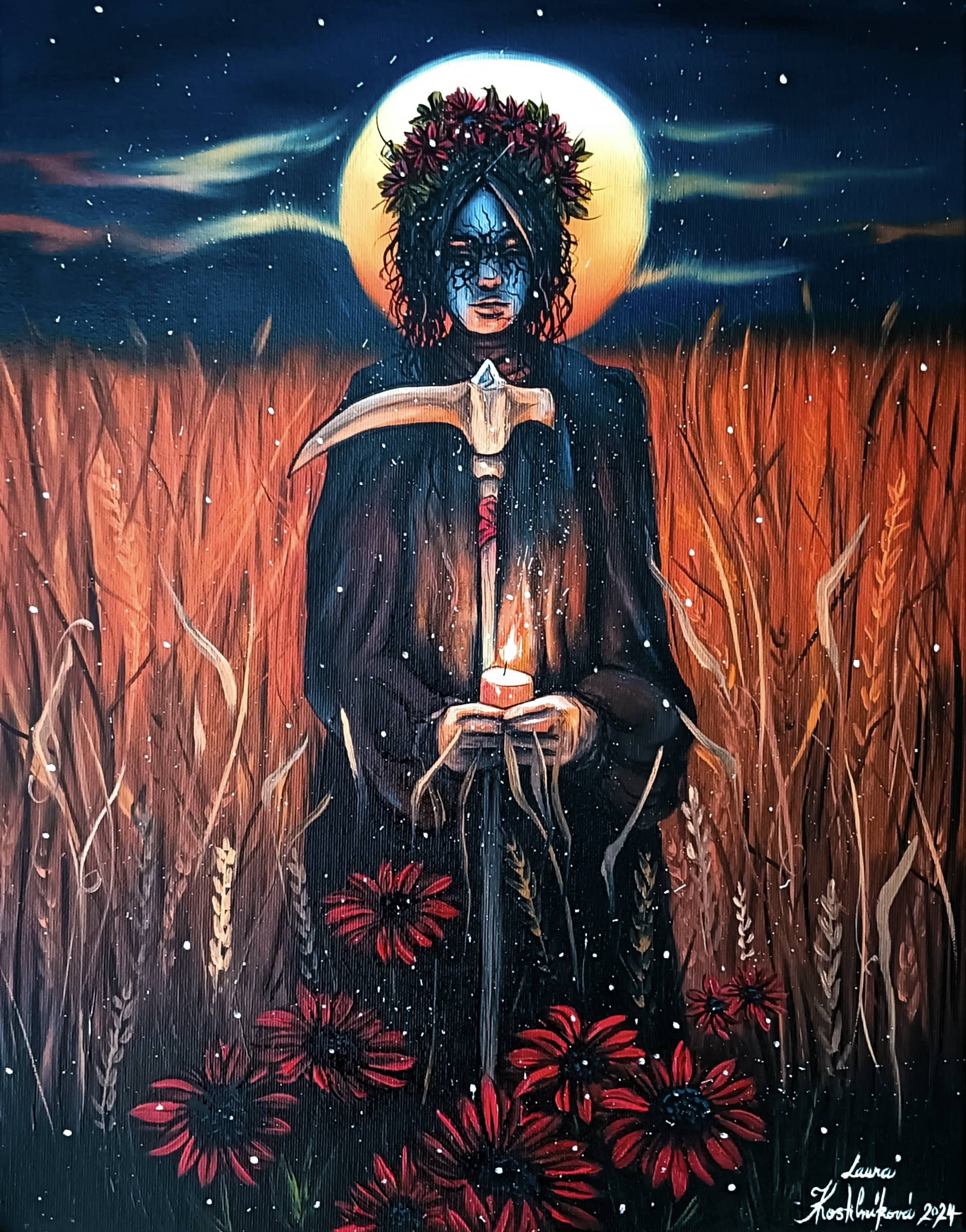
Názov diela: Tajomstvo polnoci
Autorka: Laura Kostilníková
Technika: Olejomaľba na plátne
Žáner: Surrealizmus, symbolizmus
Dielo Tajomstvo polnoci zobrazuje centrálnu postavu ženy držiacej kosu a sviečku, stojacej v poli obklopenom obilím a červenými kvetmi, so žiariacim mesiacom za hlavou, ktorý vytvára auratický efekt. Táto centrálna kompozícia a výrazné osvetlenie postavy pripomínajú súčasné diela umelcov ako Sam Wolfe Connelly, ktorí často využívajú podobné rozmiestnenie prvkov na vytváranie intímnych, ale dramatických scén. Mesiac za hlavou postavy, evokujúci sakrálnu auru, tiež odkazuje na súčasné využitie tradičných symbolov v modernom umení na posilnenie duchovného a symbolického významu.
Farebná paleta využíva teplé, zemité tóny oranžovej a červenej v kontraste s chladnými, temnými modrými a čiernymi odtieňmi, čo vytvára výraznú vizuálnu disonanciu. Táto hra kontrastov pripomína práce moderných surrealistov ako James Jean, ktorí používajú živé, často nečakané farebné kombinácie na zdôraznenie emotívnych a naratívnych prvkov svojich obrazov. Jasné, dramatické kontrasty zároveň evokujú diela 21. storočia, kde farba nie je len estetickým prvkom, ale nositeľom emocionálnej záťaže, ktorá dodáva scéne hĺbku a intenzitu.
V maľbe Tajomstvo polnoci sú zreteľné hrubé ťahy štetca a výrazné kontúry, ktoré dodávajú dielu grafickú a expresívnu kvalitu. Tento prístup je podobný dielam súčasných autorov ako Toyin Ojih Odutola, ktorá používa výrazné línie a textúry na zvýraznenie hmatateľnosti a prítomnosti svojich postáv. Hrubé obrysové línie a textúrované povrchy v diele Laury Kostilníkovej vytvárajú takmer sochársky efekt, kde každá vrstva farby prispieva k vytváraniu trojrozmernosti a dramatickosti, podobne ako v súčasných realistických alebo hyperrealistických maľbách, kde je detail a textúra kľúčovým prvkom vizuálnej výpovede.
Svetelná dynamika diela, s dominantným svetlom mesiaca a menším zdrojom v podobe sviečky, vytvára dramatickú atmosféru plnú napätia a mystiky. Tento druh svetelnej práce je viditeľný v dielach ako Jeremy Geddes, ktorý často využíva kontrasty medzi prirodzeným a umelým svetlom na vytvorenie snových, až surrealistických scén. Efekt rozptýleného svetla a jeho interakcia s tmavým pozadím umocňujú tajomnú a introspektívnu atmosféru diela, čo je typické pre moderné surrealistické prístupy, kde svetlo zohráva dôležitú úlohu v naratíve a emocionálnom pôsobení.
Symbolika diela je bohatá a reflektuje tendencie súčasného umenia, ktoré kombinuje tradičné motívy s moderným kontextom. Kosa a sviečka môžu byť chápané ako odkazy na smrť a prechod, čím sa pripájajú k širšej diskusii o krehkosti života, ktorá je aktuálna v dielach mnohých súčasných umelcov, ako sú Chloe Early alebo Conrad Roset, ktorí často využívajú symboly ako kvety, svetlo a zbrane na zdôraznenie tém života, smrti a znovuzrodenia. Kostilníková týmto dielom prepojuje tradičné ikonografické prvky s modernou estetickou citlivosťou, čo umožňuje divákovi vnímať dielo nielen ako vizuálny zážitok, ale aj ako hlboký symbolický príbeh, ktorý rezonuje so súčasnými otázkami existencie a spirituality.
Dielo Laury Kostilníkovej týmto spôsobom reflektuje moderné umelecké tendencie, kde sa spájajú prvky klasického symbolizmu s inovatívnymi technikami a výrazovým prístupom 21. storočia, čím vytvára komplexnú vizuálnu a emočnú skúsenosť pre diváka.
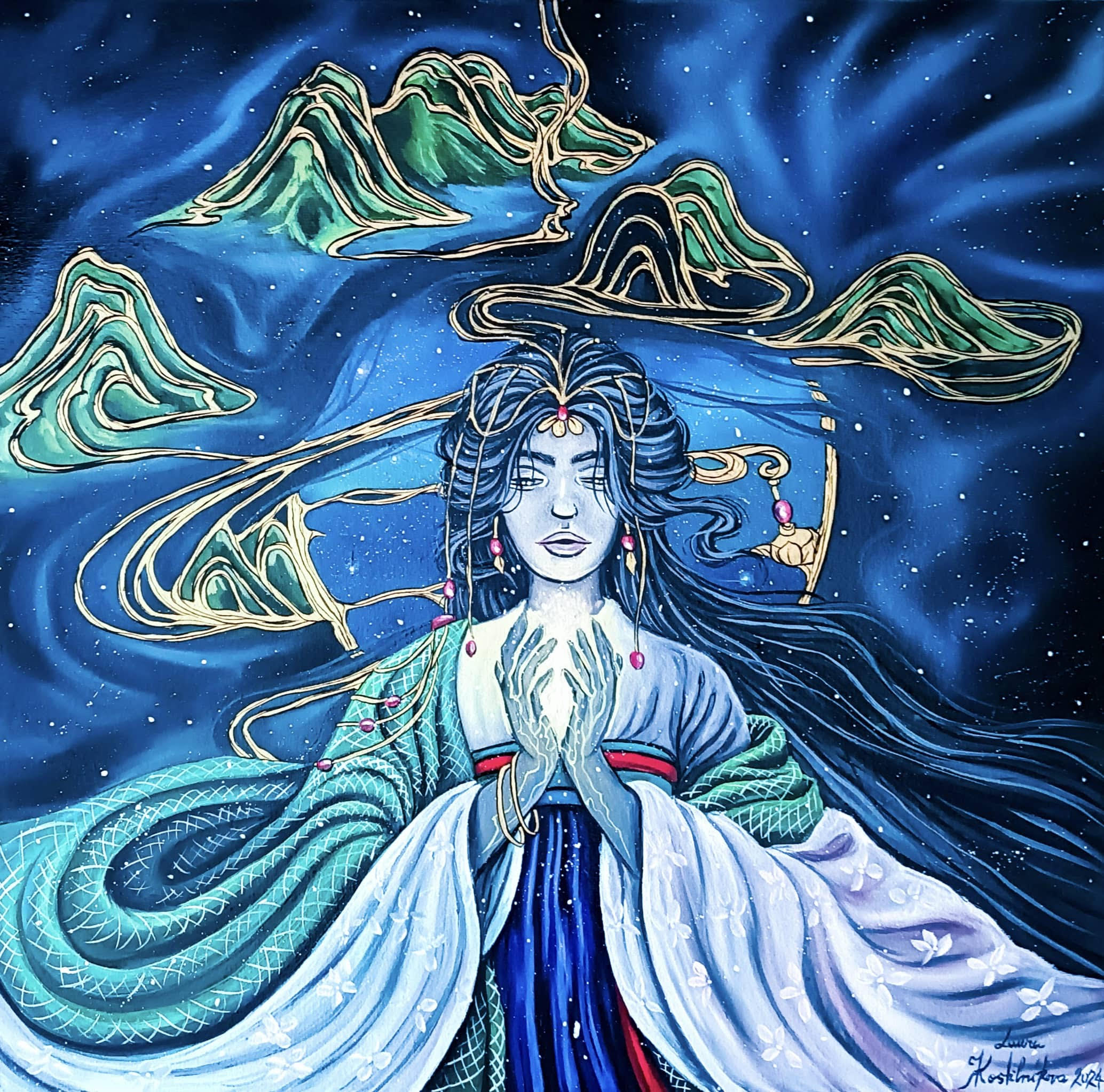
Názov diela: Príbeh zrodenia
Autorka: Laura Kostilníková
Technika: Olejomaľba na plátne
Žáner: Surrealizmus, fantastický realizmus
Dielo Príbeh zrodenia zobrazuje ženskú postavu v centre kompozície, obklopenú nebeskou scenériou a plávajúcimi horskými útvarmi, ktoré sa zdajú byť zlatou energiou prepojené. Vertikálna orientácia postavy v kombinácii s prúdiacimi líniami v pozadí vytvára dynamickú, takmer éterickú atmosféru. Kompozícia sa sústreďuje na symetriu a vyváženosť, pričom pohľad diváka je vedený od rúk žiariacich jemným svetlom nahor k tvári a ďalej k vesmírnemu pozadiu. Táto organizácia priestoru pripomína súčasné diela umelcov ako James Jean, ktorí kombinujú realistické prvky s imaginatívnymi a abstraktnými detailmi na vytvorenie fantastických svetov.
Farebná škála diela Príbeh zrodenia je bohatá a plná kontrastov, ktoré vytvárajú hlbokú a magickú atmosféru. Dominantné modré tóny, rozprestierajúce sa po celom pozadí, pripomínajú nekonečný nočný vesmír, ktorý postupne prechádza od temných námorných modrých po jemnejšie odtiene akvamarínu. Tento postupný prechod medzi farbami evokuje plynulosť a neustály pohyb, čím sa scéna stáva dynamickou a živou, podobne ako pri prácach s digitálnym gradientom, ktorý však v tomto prípade Kostilníková dosahuje pomocou jemných, splývavých ťahov štetca.
Postava je obklopená žiarivými zlatými líniami, ktoré svojou trblietavosťou a jemnými ťahmi vytvárajú kontrast voči chladným modrým tónom pozadia. Tieto línie nielenže zvýrazňujú dynamiku obrazu, ale aj symbolicky prepojujú jednotlivé prvky kompozície, podobne ako to vidíme v dielach Gustava Klimta, kde zlaté detaily a ornamenty dodávajú dielam sakrálnu a nadpozemskú kvalitu. Zlato sa tu objavuje v jemných linkách, ktoré sú precízne nanesené tenkým štetcom, čím dodávajú obrazu pocit krehkosti a jemnosti.
Odev postavy je vykreslený v odtieňoch smaragdovo zelenej, sýtej tyrkysovej a hlbokej kráľovskej modrej, čo pridáva na bohatej farebnosti a zároveň odkazuje na tradičné východoázijské textílie. Každý záhyb šiat je zvýraznený jemnými ťahmi štetca, ktoré naznačujú textúru látky a pohyb. Vzory na šatách, v jemných odtieňoch bielej a striebornej, sú starostlivo prepracované do detailov, pripomínajúc techniky tradičných ručných výšiviek, čo dodáva postave kráľovský a vznešený vzhľad.
Ďalším výrazným prvkom sú odlesky svetla na vlasoch a tvári postavy, ktoré sú nanesené jemnými, skoro neviditeľnými ťahmi, vytvárajúc dojem trblietavých hviezd. Svetlo, ktoré vychádza z rúk postavy, prechádza cez tieto detaily a dodáva celému obrazu jas a teplo, ktoré kontrastuje s chladom modrého vesmíru. Tento efekt svetelného žiarenia sa dosahuje vrstvením transparentných lazúr, čím sa vytvára dojem svetelnej hĺbky a žiarivosti.
V dolných častiach obrazu sa objavujú jemné ružové a purpurové odtiene, ktoré sú rozptýlené medzi chladnými farbami a dodávajú obrazu jemný, takmer snový akcent. Tieto farby sú využité v detailoch šperkov a drobných dekoratívnych prvkov, čo vytvára pocit, že postava žiari nielen fyzicky, ale aj symbolicky. Kombinácia pestrých a kontrastných farieb spolu s dynamickými ťahmi štetca vytvára komplexný farebný zážitok, ktorý diváka vtiahne do hlbokej, mystickej atmosféry diela.
Kostilníková v diele využíva kombináciu hladkých prechodov olejomaľby s výraznými, lineárnymi detailmi, čo vytvára efektný kontrast medzi jemnosťou a expresivitou. Ťahy štetca sú starostlivo kontrolované, pričom hladké prechody na pozadí pripomínajú práce moderných ilustrátorov ako Yuko Shimizu, kde sa kladie dôraz na plynulé, takmer kaligrafické línie. Detailné prepracovanie odevu postavy, s bohatými textúrami a vzormi, odkazuje na tradičné umenie, ale zároveň prechádza do surrealistických polôh, čím vytvára spojenie medzi históriou a súčasnosťou.
Svetelná dynamika je jemná, s centrálnym zdrojom svetla vychádzajúcim z rúk postavy, čo symbolizuje akt zrodenia alebo tvorby. Tento svetelný prvok zdôrazňuje duchovný charakter postavy a dodáva jej transcendentálny rozmer. Pozadie je ladené do tmavších modrých odtieňov s hviezdnou oblohou, čím sa vytvára dojem nekonečného vesmíru a hlbokého priestoru. Svetelné zlaté línie, ktoré sa vinú okolo hôr a postavy, evokujú pohyb a energiu, podobne ako v dielach 21. storočia, kde sú používané prvky svetelnej kinetiky na vytvorenie dynamického a vizuálne podmanivého zážitku.
Dielo Príbeh zrodenia využíva symboliku zrodenia a tvorby, kde ženská postava môže byť interpretovaná ako božská entita, matka prírody alebo kozmický stvoriteľ. Zlaté línie spájajúce hory a postavu naznačujú prítomnosť energie, ktorá spája všetky veci v univerze, čo je myšlienka príbuzná so súčasnými ekologickými a duchovnými témami v umení, ako vidíme u autorov ako Yayoi Kusama, ktorí vo svojich dielach často reflektujú myšlienky prepojenosti a jednoty.
Laura Kostilníková svojím dielom vytvára viacúrovňový naratív, ktorý spája tradičné umelecké symboly s modernými technikami a estetickými prvkami 21. storočia. Obraz sa stáva metaforou pre večné témy tvorby, spojenia a duchovného putovania, pričom odkazuje na univerzálne archetypy a zároveň oslovuje moderného diváka svojím aktuálnym vizuálnym jazykom.
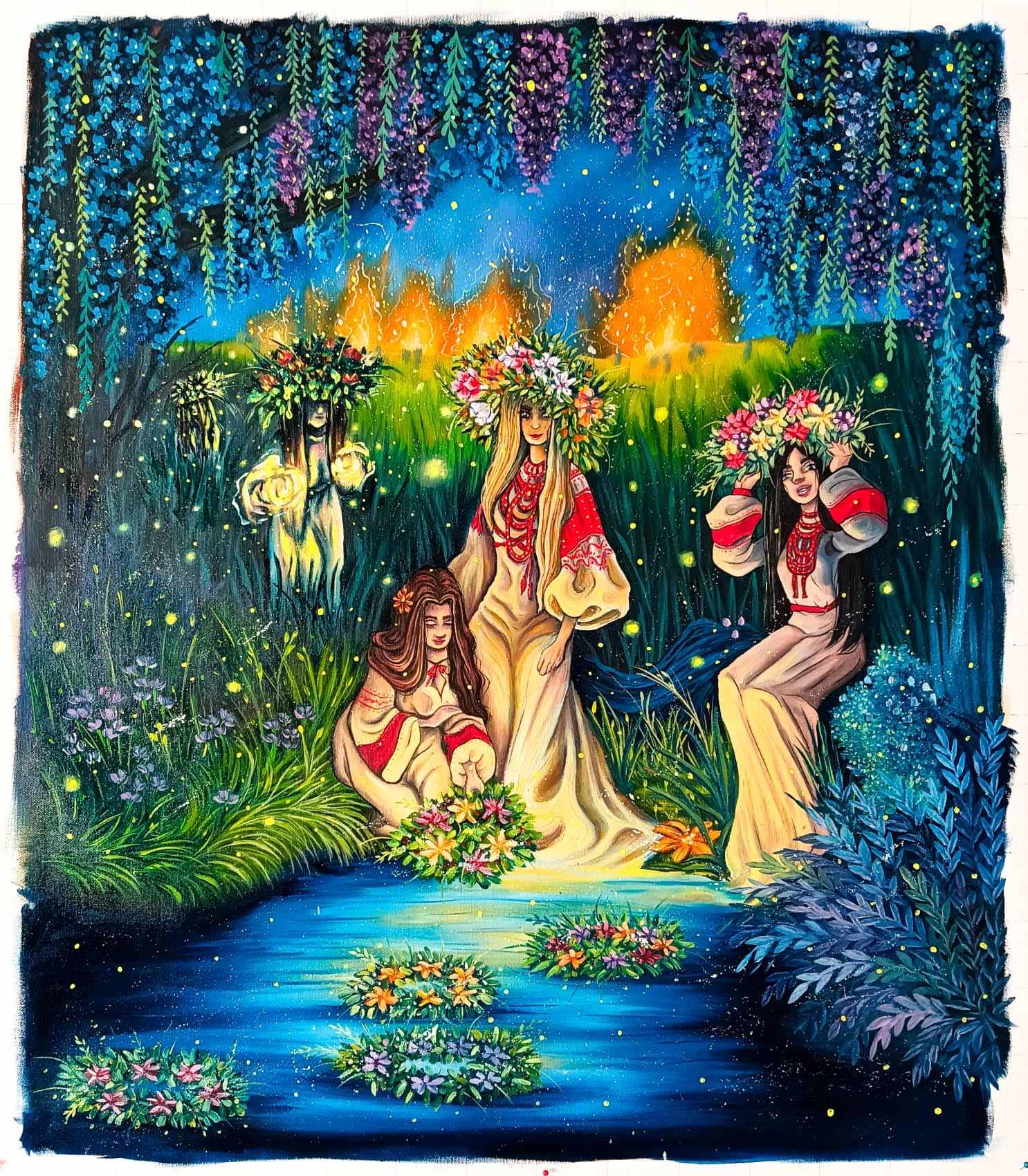
Názov diela: Kúzlo noci svätojánskej
Autorka: Laura Kostilníková
Technika: Olejomaľba na plátne
Žáner: Fantastický realizmus, folklórny motív
Dielo Kúzlo noci svätojánskej zobrazuje tri ženské postavy v tradičných krojoch, obklopené bujnou vegetáciou pri jazere, kde sa na hladine vznášajú vence z kvetov. Celková kompozícia je horizontálne rozdelená, pričom spodná časť sa sústreďuje na jazero a postavy, zatiaľ čo horná časť je zaplnená hustými závesmi kvetov a svetelnými efektmi v pozadí. Kompozícia je starostlivo vyvážená, s jemným pohybom medzi jednotlivými prvkami, čo dodáva obrazu plynulosť a harmóniu. Tento prístup pripomína prácu súčasných umelcov ako Audrey Kawasaki, ktorí kombinujú jemné detaily postáv s bohatým, dynamickým pozadím.
Farebná škála je bohatá a pestrá, s dominantnými zelenými a modrými odtieňmi, ktoré vytvárajú pokojnú a snovú atmosféru nočného lesa. Živé odtiene zelenej v tráve a listoch kontrastujú so sýtymi, chladnými modrými tónmi vody, čo dodáva scénam osviežujúci a mystický nádych. Kvetinové vence a závesy nad postavami sú vytvorené s použitím jasných farieb, ako sú ružová, fialová a oranžová, čo prispieva k rozmanitosti a hravosti kompozície.
Svetelné efekty sú dosiahnuté pomocou jemných bodových svetiel roztrúsených po celej scéne, evokujúc efekt svätojánskych mušiek alebo magických prachových čiastočiek, ktoré dodávajú obrazu jemnú iskru a tajomnosť. Svetelné akcenty v pozadí pripomínajú žiaru ohňov, ktoré umocňujú dojem tradičného oslavy alebo rituálu, a svojím intenzívnym oranžovým svetlom vytvárajú teplý kontrast k chladnému tónu prednej časti obrazu. Tento druh farebného kontrastu a svetelných efektov je podobný technikám súčasných fantasy ilustrátorov, ktorí často pracujú s intenzívnymi farebnými paletami a žiarivými svetelnými akcentmi.
Technika olejomaľby je tu využitá s dôrazom na detaily, pričom Kostilníková aplikuje hladké prechody a presné ťahy štetca, ktoré umožňujú jemné zobrazenie textúr šiat, kvetov a vegetácie. Ťahy štetca sú kontrolované a presné, čo dodáva obrazu vysokú úroveň detailnosti, podobne ako v dielach umelcov ako Takashi Murakami, ktorí kombinujú realistickú precíznosť s výraznými, farebnými plochami.
Kostilníková využíva aj jemné vrstvenie farieb na dosiahnutie hĺbky a dimenzie, kde sa tmavšie odtiene používajú na vytvorenie tieňov a svetlé farby na zvýraznenie. Kvetinové vence a šaty sú vykreslené s detailmi, ktoré pripomínajú ručnú výšivku, čo dodáva dielu autentickosť a zároveň vytvára silný vizuálny kontrast medzi prírodnými prvkami a ľudskými postavami. Tento dôraz na detail a textúru pripomína prácu súčasných umelcov, ktorí sa snažia o zobrazenie tradičných motívov s moderným nádychom.
Dielo možno interpretovať ako zobrazenie folklórneho rituálu spojeného s prírodou a oslavou života, pravdepodobne odkazujúc na tradičné zvyky letného slnovratu alebo svätojánskej noci. Postavy sú v kruhu prírody, obklopené kvetmi a vodou, čo symbolizuje spojenie s prírodnými cyklami a duchovným svetom. Použitie svetla a farieb vytvára atmosféru mystiky a tajomstva, evokujúc myšlienky o večných ľudských spojeniach s prírodnými silami.
Kombinácia tradičných prvkov s modernou technikou a fantazijnými prvkami robí z diela Kúzlo noci svätojánskej zaujímavý príklad toho, ako súčasné umenie môže reinterpretovať a oživovať staré príbehy a rituály. Laura Kostilníková týmto dielom reflektuje nielen svoje technické zručnosti, ale aj hlboké pochopenie symbolických vrstiev, ktoré obohacujú jej prácu a prinášajú do nej jedinečný vizuálny a emocionálny náboj.

Autorka: Laura Kostilníková
Technika: Digitálna ilustrácia a grafický dizajn
Tento kompozitný obrázok predstavuje digitálnu tvorbu Laury Kostilníkovej, ktorá zahŕňa ilustrácie aj grafické návrhy obálok kníh. Na vrchnej časti vidíme dizajnové návrhy pre obálky kníh, kde je jasne badateľná inšpirácia klasickým štýlom s ornamentálnymi prvkami a výraznou typografiou. Farebná škála použitá na týchto obálkach kombinuje hlboké odtiene vínovej a zlatistej, čo vytvára elegantný a sofistikovaný vzhľad. Návrhy obálok pôsobia jednotne, ale každý z nich si zachováva unikátny prvok, čo ukazuje autorkin cit pre detail a schopnosť vytvárať vizuálne zaujímavé a konzistentné série.
V dolnej časti obrázka sú zobrazené digitálne ilustrácie, ktoré zahŕňajú postavy a scenérie zo sveta fantasy. Ilustrácie sú plné života a detailov, so silným dôrazom na textúru a svetelné efekty, ktoré dodávajú obrazom hĺbku a čarovnú atmosféru. Napríklad ilustrácia s veľkou postavou a malým drakom zobrazuje jemné hrou svetla a tieňa, čo vytvára pocit tepla a magického momentu. Každá postava je vykreslená s bohatou farebnou paletou a precíznymi ťahmi, čo dodáva dielam realistický, no zároveň fantastický nádych.
Laura Kostilníková svojou digitálnou tvorbou demonštruje široký rozsah schopností od grafického dizajnu cez ilustráciu až po vytváranie komplexných, vizuálne bohatých svetov. Jej práca v oblasti návrhov obálok kníh nielen zvyšuje estetickú hodnotu literárnych diel, ale tiež vytvára silný vizuálny dojem, ktorý môže prilákať čitateľa. Jej ilustrácie oživujú príbehy s pôsobivou detailnosťou a expresívnym zobrazením postáv, čím vytvárajú pocit pohltenia v rozprávaní.
Celkovo diela Laury Kostilníkovej v tomto obrázku vyzdvihujú jej estetický vkus, kreativitu a schopnosť pracovať s rôznymi technikami digitálneho umenia. Jej diela nielen oslovujú svojou vizuálnou krásou, ale aj rozprávajú príbehy plné fantázie a emócií, čo robí jej tvorbu jedinečnou a prístupnou pre široké spektrum divákov.
Exkluzívne výtvarné kurzy od BEAUTIFUL ART gallery
Pod vedením etablovaného umelca Didiera Le Mara ponúkame vysokokvalitné výtvarné kurzy, ktoré sú prispôsobené individuálnym potrebám a umeleckému smerovaniu každého účastníka.
Kompletné poradenstvo a odporúčanie najvhodnejšieho individuálneho kurzu.
Pre viac informácií nás kontaktujte správou na:
Si umelec alebo umelkyňa s jedinečnou tvorbou, no hľadáš cestu k väčšej publicite?
Predstav svoju tvorbu svetu! Napíš nám na
Autor článku: ARTTEO magazín Copyright © 2024 / Všetky práva vyhradené
