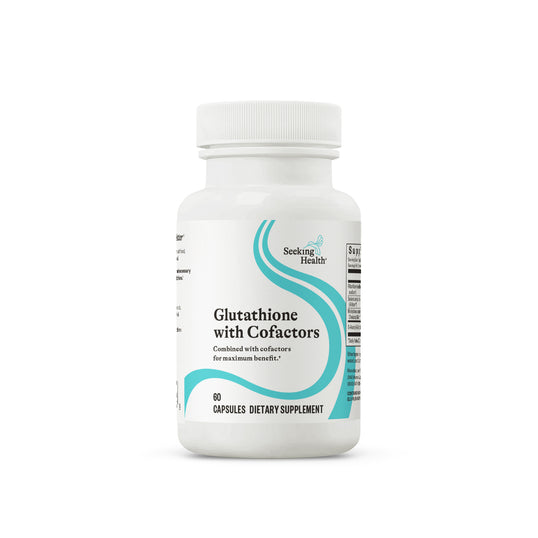
Seeking Health Glutathione What is the downside of taking glutathione?
What Is the Downside of Taking Glutathione? A Consumer-Style Review for Women 45–54
Glutathione is getting renewed attention as an over-the-counter antioxidant, especially among women who want a simple daily “support” routine. Searches for what is the downside of taking glutathione tend to come from the same place: you’re trying to improve something (skin, energy, wellness labs, general antioxidant support) but you don’t want to gamble with side effects or spend money on a supplement that doesn’t fit your body.
This consumer-style review focuses on the downside—how glutathione can be underwhelming, uncomfortable, or complicated to combine with other products. I’ll also share two real-world style cases (one personal experience case and one negative case pattern) and give you a practical, cautious experiment framework.
Introduction: Why “What Is the Downside of Taking Glutathione?” Is Getting Attention
Glutathione shows up in beauty and wellness circles because it plays a role in antioxidant defenses and cellular protection. In your 40s and 50s, routines often become more intentional: you’re more likely to add supplements for inflammation balance, skin support, or “internal antioxidant” coverage. At the same time, this age range often comes with more variables—medications, thyroid changes, digestive variability, and increased sensitivity to new products.
So it’s normal to wonder about the downside of taking glutathione: not just whether it helps, but whether it creates trade-offs. For many people, the main downside is not a scary event—it’s the combination of (1) inconsistent outcomes, (2) gastrointestinal or headache side effects, and (3) the temptation to stack it with other supplements without realizing interactions, overlapping ingredients, or dose inflation.
What What Is the Downside of Taking Glutathione Is and Who It Might Fit Best
Let’s get clear on what you’re actually considering. When people ask about the downside of taking glutathione, they’re typically referring to oral supplements (capsules/tablets, sometimes powder) and occasionally topical products. The “downsides” you may experience depend on the form (reduced glutathione vs. liposomal vs. blends), dose, co-ingredients, and how your body tolerates antioxidants.
Who it might fit best:
- Women who want antioxidant support as an add-on to a food-forward routine (sleep, protein intake, vegetables, hydration).
- People with specific goals where they can track changes (e.g., skin dryness or “tiredness” perception) without expecting overnight miracles.
- Those who can tolerate supplement routines and are willing to stop if they notice side effects.
Who should be extra cautious:
- Anyone on multiple medications, especially if you’re unsure about interactions with antioxidants or your clinician advises medication-supplement caution.
- People with a history of sensitive digestion (nausea, reflux, or headaches when trying new supplements).
- Anyone who already takes several overlapping products (vitamin C, NAC, multivitamins, “skin blends”) and may unintentionally double-dose antioxidants.
In short: the downside of taking glutathione is often a “fit” issue. The best use cases are the ones where you can monitor your response and avoid stacking.
Practical Benefits and Where It Falls Short
Here’s the consumer truth: benefits—when they happen—tend to be subtle and gradual. The downside of taking glutathione often shows up when expectations are too high, dosage is too high for your tolerance, or the formula isn’t what you think it is.
Personal experience case (example of what went reasonably well):
A woman in her late 40s, busy schedule, and “low time for experiments” described trying a glutathione capsule routine for about 6–8 weeks. She chose a consistent brand and dose, took it with food a few days per week at first (to check tolerance), and tracked two simple outcomes: morning skin tightness and how she felt about “energy” (mostly perceived). She didn’t report dramatic changes. What she did notice was improved perceived skin comfort—less dryness by the end of her workday—plus no major side effects after she adjusted to taking it with meals. Her main takeaway wasn’t “glutathione changed everything”; it was that it fit her routine without causing problems when she started low and stayed consistent.
Negative case (example of where glutathione didn’t fit):
Another pattern I’ve seen (and heard from consumers) involves a product with higher doses or multiple co-ingredients. A woman in her early 50s tried glutathione as part of a “skin + detox” stack. Within days, she noticed intermittent headaches and mild stomach upset. She tried adjusting timing (with breakfast), but symptoms continued, and she also felt her routine had “too many moving parts” to tell what caused the issue. In that scenario, the downside of taking glutathione wasn’t that it caused a major harm—it was that it created discomfort and reduced confidence in the experiment. She stopped the glutathione, and the headaches improved—suggesting it likely didn’t agree with her, especially in the context of stacking.
What both stories share: the biggest advantage is often tolerability and routine support, while the most common downside is variability—whether due to form, dose, digestion, or your starting baseline.
What Research Suggests and What It Doesn’t
When you look at studies, the message is generally more nuanced than the marketing headlines. Glutathione is biologically relevant, and there’s evidence that glutathione status and oxidative stress markers can shift in some people and settings. But your real question is practical: what is the downside of taking glutathione—and research mainly helps with risk framing, tolerability signals, and what outcomes are plausible.
What research suggests:
- Oral glutathione supplementation may influence antioxidant activity and related biomarkers in certain contexts.
- Some studies suggest benefits in oxidative stress–related measures, though not always translating into obvious everyday outcomes.
What research doesn’t confirm strongly:
- Reliable, predictable improvements in “anti-aging,” “skin lightening,” or “detox” outcomes for everyone.
- A single, universal optimal dose for all women 45–54.
- That every form (reduced glutathione, liposomal glutathione, or blends) behaves the same way.
Risks and limitations to consider:
- Side effects can still occur even if overall studies don’t show catastrophic risks. The downside may be GI discomfort, headache, or feeling “off,” particularly at higher doses or with added ingredients.
- Because supplement quality varies, outcomes are partly affected by manufacturing standards—not just the label dose.
- Most consumer goals (skin glow, fatigue perception) are subjective, so you’re measuring something complex.
In other words: evidence can support “possible antioxidant support,” but it rarely guarantees the outcomes people advertise.
Ingredients, Formats, and Quality Signals
If you’re trying to understand the downside of taking glutathione, start with the ingredient label. Many products are not “pure glutathione”—they’re blends with co-factors intended to improve antioxidant pathways or skin-support positioning. That can be useful, but it also means side effects can come from co-ingredients, not glutathione alone.
Common product forms you’ll see:
- Reduced glutathione (plain glutathione): often a straightforward option, but absorption and tolerability vary person to person.
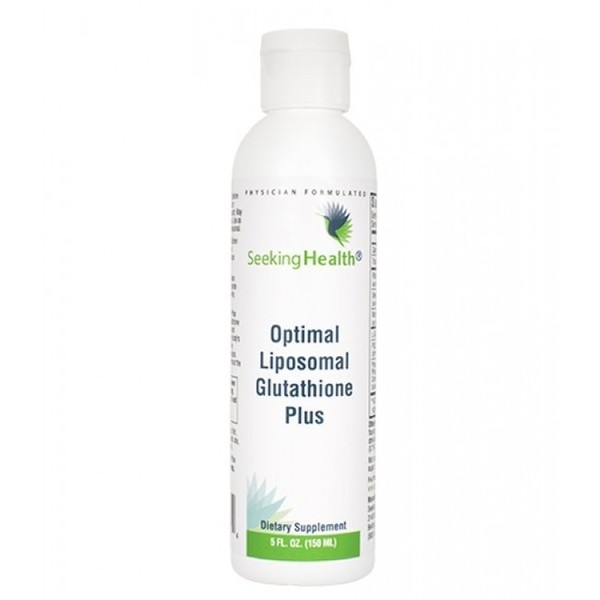
- Liposomal glutathione: marketed for improved delivery; some people find it gentler, others notice no difference.
- Glutathione blends (e.g., glutathione + vitamin C, glycine, N-acetylcysteine/NAC, or other antioxidants): can be effective for some, but stacking adds complexity.
Ingredients that change the risk/feel of a product:
- Added vitamin C or other antioxidants (can be great, but may aggravate sensitive stomachs in some people).
- NAC (often helpful for glutathione pathways, but can cause GI upset for some users).
- Botanicals or “proprietary blends” (quality and dose transparency matters more).
Quality signals to look for before buying:
- Third-party testing for potency and contaminants (where available).
- Clear dosage per serving (no vague ranges).
- Transparent sourcing (not just “natural” or “lab-tested” claims).
- Reasonable excipients—if you’re sensitive to fillers, this matters.
For a cautious consumer approach: choose one product, follow the label, avoid stacking with multiple “skin detox” supplements at the start, and document your response.
Comparison of Common Options
Below is a practical comparison of common glutathione supplement options. “Typical” dosing varies by brand, so treat these as starting points for label-matching rather than a prescription.
| Format | Typical Dose/Use | Pros | Cons | Cost | Best For |
|---|---|---|---|---|---|
| Reduced glutathione (capsules/tablets) | Often 250–500 mg daily (check label) | Simple ingredient list; easy to start low | May not be well tolerated if taken on an empty stomach; absorption varies | Low to medium | Budget-minded shoppers who want straightforward dosing |
| Liposomal glutathione | Often 250–500 mg daily (check label) | Many users report improved tolerability; delivery-focused formulation | Often more expensive; results still vary | Medium to high | People who want a delivery-focused approach and can afford it |
| Glutathione + vitamin C blend | Glutathione typically 100–300 mg + vitamin C (label varies) | Antioxidant synergy is plausible; may support skin comfort for some | Added vitamin C can worsen reflux/heartburn for sensitive users | Medium | Consumers who tolerate vitamin C and want a combined antioxidant |
| Glutathione + NAC blend | Glutathione plus NAC (label varies; often 1–2 doses/day) | Targets glutathione pathways beyond direct supplementation | NAC can cause GI upset; stacking increases chance of “blame confusion” | Medium to high | People who tolerate NAC and want deeper pathway support |
| “Skin” multi-antioxidant stacks (complex blends) | Varies widely; often taken once daily for months | Convenient bundle; may align with broader skin routines | Harder to isolate the downside of taking glutathione (other ingredients may drive side effects); transparency varies | High | Consumers okay with layered supplementation and tracking outcomes carefully |
Buying Framework and Red Flags
A shopping framework helps you reduce the downside of taking glutathione by choosing a product you can realistically use—and monitoring it like a consumer review, not a miracle story.
Checklist before you buy:
- Label clarity: Can you find the exact glutathione amount per serving?
- Form is stated: Reduced vs liposomal vs blend (not just “glutathione complex”).
- Third-party testing: Look for evidence of contaminant/potency checks where provided.
- Co-ingredients are intentional: If it includes vitamin C, NAC, or botanicals, do you already tolerate them?
- Dose matches your plan: If you’re sensitive, start with the lowest labeled effective dose or an option designed for gentler starts.
- Stacking awareness: If you already take multiple antioxidants, don’t automatically double up.
Red flags during use:
- New headaches, nausea, reflux, or stomach cramps after starting—especially if they improve when you stop.
- Feeling “wired,” jittery, or unusually fatigued (track patterns; don’t ignore persistent changes).
- Skin changes that worsen rather than improve (new irritation can happen with many skin routines and supplements).
- Blurred cause-and-effect because you’re testing too many new items at once.
One more consumer note: if a product claims dramatic, guaranteed outcomes, it’s likely not helping your goal of cautious use.
Common Mistakes and How to Avoid Them
Most downsides in real life come from preventable mistakes.
- Mistake: starting at a high dose.
Fix: start with the lowest dose you can follow consistently for tolerance checks. - Mistake: taking it on an empty stomach when you’re digestion-sensitive.
Fix: test with food for several days before switching timing. - Mistake: stacking multiple antioxidant products immediately.
Fix: add one supplement at a time for at least 2 weeks so you can attribute effects correctly. - Mistake: expecting skin glow in a few days.
Fix: give yourself a short, measurable trial first; if nothing changes, don’t assume “it doesn’t work forever,” just that it isn’t moving your needle. - Mistake: ignoring ingredient overlap.
Fix: if your multivitamin already has vitamin C and other antioxidants, a blend may be redundant.
FAQ
Is it proven that there are downsides of taking glutathione?
It’s proven that oral supplements can cause side effects in some people; glutathione is no exception. What’s less settled is how often specific side effects occur across brands and doses, and which outcomes reliably improve for everyone. The consumer downside usually appears as tolerance issues (like stomach upset or headaches) or inconsistent results rather than a universally predictable “harm.”
How long does it take to notice the downsides of taking glutathione?
Many tolerance-related issues show up quickly—within the first few days—especially if you’re sensitive to the dose or co-ingredients. Other downsides like persistent digestion changes or headache patterns may take 1–2 weeks to become obvious. If symptoms appear repeatedly after doses and improve after stopping, that’s a strong consumer signal.
What are the common side effects when you take glutathione supplements?
Commonly reported side effects include mild gastrointestinal discomfort, nausea, reflux-like feelings, and headaches. Less commonly, people report feeling “off” or experiencing changes in how they tolerate other supplements. If you develop severe symptoms, stop and seek medical guidance.
Can I combine glutathione with vitamin C, NAC, or other antioxidants?
Many products already combine glutathione with other antioxidants (like vitamin C) or pathway supporters (like NAC). You can sometimes combine supplements, but the downside of taking glutathione may increase when stacking overlaps ingredients and doses. If you plan to combine, do it one variable at a time and start low so you can identify what causes side effects.
Oral vs injection: what’s the downside compared with alternatives?
Oral glutathione is the most common supplement route and typically has the downside of tolerability variability (GI symptoms or headaches). Injection or medical administration routes may carry additional considerations (need for clinical oversight, sterile technique, and medical suitability), and should not be treated like a home supplement experiment. Alternatives often include adjusting antioxidant-rich diet, skincare routines, or choosing pathway-focused supplements—but the best choice depends on your health context and tolerability.
A Practical 2-Week Experiment Framework
If you want to answer the downside question in your own life, treat this like a small consumer experiment—not a life overhaul.
Setup (Day 1):
- Choose one product and stick to the label dose (or a lower start if you’re sensitive).
- Don’t add new supplements during the trial.
- Pick 2–3 trackable outcomes (e.g., stomach comfort, headache frequency, perceived skin comfort or dryness).
Days 1–4 (tolerance window):
- Take it consistently at the same time daily.
- If you get nausea, reflux, or headaches, try taking it with food rather than stopping immediately on Day 2—unless symptoms are strong.
- Record symptoms immediately after dosing (within a few hours).
Days 5–10 (pattern confirmation):
- Look for repeated patterns: “same symptom after dosing” is more meaningful than one-off discomfort.
- If side effects recur 2–3 times, stop and treat that as a genuine downside for your body.
Days 11–14 (decision point):
- If you tolerated it and noticed even a small improvement in your chosen outcomes, consider continuing for another 4–8 weeks.
- If nothing changed and you had no side effects, you still learned something: it may not be a high-value addition for you.
- If you had side effects, avoid re-challenging at the same dose; you can consider a lower dose, different form, or skipping glutathione altogether.
Stop criteria (simple red flag rule): stop immediately if symptoms are severe, rapidly worsening, or alarming to you.
About the Author
Jordan Mercer is a wellness product reviewer with 8+ years of experience evaluating ingredient labels, consumer tolerability reports, and supplement transparency. Their approach blends practical use-case testing (timing, dose, and side-effect tracking) with label-based quality screening (dose clarity, co-ingredient risk, and third-party testing when available). This article is written to help you think through the downside of taking glutathione in a realistic way—highlighting tolerability, expectation-setting, and red flags rather than promising guaranteed results. Always consider your personal health context and medication list; for best safety, discuss new supplements with a qualified clinician when you have medical conditions or take prescription medications.
Discussion