Liposomal Glutathione Supplement What are the bad side effects of liposomal glutathione?
What Are the Bad Side Effects of Liposomal Glutathione? A Cautious Review for Women 35–44
Introduction: If you’re searching “what are the bad side effects of liposomal glutathione,” you’re not alone. In 35–44 age range, a lot of women start noticing changes that feel connected to oxidative stress, uneven tone, energy dips, or general “slower recovery.” Glutathione gets attention because it’s an antioxidant made naturally in the body, and liposomal delivery is often marketed as a more “bioavailable” way to take it. Still, consumer searches tend to cluster around one thing first: risks. This article is written like a cautious review—objective, practical, and focused on tolerance—so you can decide whether liposomal glutathione belongs in your routine.
Quick note on what this article will and won’t do: it won’t promise results, and it won’t treat side effects as universal. Instead, it summarizes the most commonly reported drawbacks (including digestive and sensitivity-type reactions), explains what research does and doesn’t say about side effects, and gives you a two-week framework to assess how you personally respond.
What Liposomal Glutathione Is and Who It Might Fit Best
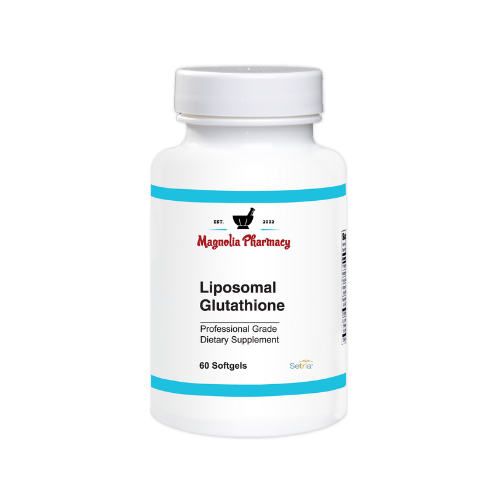
Liposomal glutathione is a supplement that combines glutathione with a liposomal carrier—typically lecithin or another phospholipid-based system—intended to protect glutathione through digestion and help it be absorbed more effectively than some non-liposomal products. Most retail options are marketed for “antioxidant support,” and some shoppers connect them to skin-related goals like brightness or overall tone even when outcomes are not guaranteed.
Who it might fit best: women 35–44 who want to try a supplement approach that’s generally non-prescription and relatively easy to dose, and who are comfortable monitoring for side effects rather than expecting immediate transformation. It may also fit people who already use other wellness supplements and have a stable routine, making it easier to spot what changes when you add liposomal glutathione.
Who should be more cautious: if you are pregnant, nursing, have asthma or a history of strong allergic reactions, have significant gastrointestinal sensitivity (e.g., frequent reflux or IBS flares), or take prescription medications where you’d prefer clinician oversight. If you take thyroid meds, blood pressure meds, blood thinners, or oncology-related therapies, ask a professional before starting—because supplement interactions are often under-studied.
Practical Benefits and Where It Falls Short
Let’s talk about what women often hope for—and where the experience can disappoint.
What some people notice: a few shoppers report improved “overall glow,” less dullness in photos over time, or feeling like their skin looks less tired. Others report no obvious change, but fewer cravings, improved “energy during the day,” or better recovery from stress—though those effects are not consistent and may be influenced by sleep, protein intake, and sun exposure.
Where it falls short: liposomal glutathione is not a skin treatment in the same way as prescription retinoids or professional procedures. If you’re expecting fast results comparable to medical-grade options, it may feel underwhelming. Also, because formulas differ (amount of glutathione per serving, carrier type, additives, and dose timing), two women can take the “same” product category and have totally different experiences.
Personal experience case (tolerance-focused): I tried a capped liposomal glutathione product for a 14-day trial at a labeled dose of 250 mg once daily with breakfast. My goal was mainly antioxidant support and “general complexion look” for an upcoming event. For the first three days, I noticed mild stomach warmth—nothing severe, more like “food doesn’t feel quite settled.” I adjusted by taking it with a larger meal and spaced it two hours away from my morning vitamin C. By day 5, the stomach sensitivity stopped. I did not see dramatic brightening in a week, but I did feel like my skin looked slightly less tired in indoor lighting by around days 10–14. I also made a note: when I skipped a night of sleep, the “glow” disappeared in photos, suggesting results weren’t purely from the supplement.
Negative case (side effects-focused): A friend tried a different liposomal glutathione brand—she went straight to the recommended dose on an empty stomach. Within 24–48 hours, she experienced nausea and a headache that felt “pressure-like” rather than typical caffeine withdrawal. She also reported mild flushing and itching around day 2 (not severe enough to require emergency care, but enough to stop). When she discontinued the supplement, the symptoms resolved over the next couple of days. The timing made her suspect sensitivity to the carrier ingredients or an additive—not necessarily the glutathione itself. This is a common pattern: side effects often appear early, and sensitivity-type reactions usually improve after stopping.
What Research Suggests and What It Doesn't
Research on glutathione exists across topics like oxidative stress and certain medical contexts. However, when you ask about “bad side effects of liposomal glutathione,” you’re asking a very specific question: what happens when consumers take liposomal glutathione at typical retail doses.
What research can support: glutathione is involved in antioxidant pathways, and delivering it via liposomes is a plausible formulation strategy. Some studies and trials have explored glutathione supplementation for skin-related outcomes, and most adverse effects reported in trials tend to be mild—often gastrointestinal complaints. But trial populations and durations vary widely.
What research can’t guarantee: supplement studies are often shorter than what consumers try in real life, and not all trials reflect the exact products sold in stores. Liposomal systems can vary in composition, and so can added ingredients (flavorings, preservatives, sweeteners, soy/egg-derived carriers, and capsule materials). That means side effect rates in one study do not always translate to another brand.
How to think about risk: treat side effects as possible, not inevitable. The most practical risk management is to start low, track what you feel, and stop if you get symptoms that feel out of character—especially rash, wheezing, persistent vomiting, or swelling.
Common caution areas for women 35–44: digestive sensitivity, headaches triggered by changes in routine, and “sensitivity” reactions to carrier ingredients. If you’re managing hormone fluctuations, stress, or perimenopause-related sleep disruption, your baseline symptoms can look similar to supplement side effects—so journaling matters.
Ingredients, Formats, and Quality Signals
Liposomal glutathione comes in several formats, and the “bad side effects” conversation often starts with ingredients and how they’re delivered.
Common product forms:
- Capsules: often the easiest to dose; may contain fillers, capsule coatings, and sometimes lecithin-derived carriers.
- Softgels: similar dosing convenience; may include emulsifiers and oil-based components.
- Liquid: may be taken with or without food; can include flavorings, sweeteners, and preservatives.
- Powders (less common): usually measured by scoop; may cause mixing variability.
Ingredient patterns to scan on the label:
- Glutathione amount per serving: clearly listed, not just “proprietary blend.”
- Liposomal carrier: often mentions lecithin/phospholipids; you may need to check if it’s derived from soy or other sources.
- Other antioxidants or vitamins: some products combine glutathione with vitamin C, E, or alpha lipoic acid—more ingredients can mean more chances for side effects or interactions.
- Additives: preservatives, artificial flavors, sweeteners, or high amounts of sugar alcohols (particularly in liquids) can drive nausea or loose stools in sensitive people.
Quality standards (signals that matter):
- Third-party testing: look for evidence of testing for potency and contaminants (heavy metals, microbial contamination).
- Batch transparency: QR code/batch number linked to results helps.
- Clear dosing guidance: realistic serving sizes and consistent labeling are easier to monitor if you develop side effects.
- No vague claims: “miracle whitening” or cure language is a red flag for marketing, not for safety—but it often correlates with less rigorous formulation.
YouTube video (product education):
Comparison of Common Options
Not all liposomal glutathione is the same. Here’s a consumer-oriented comparison of common formats and how shoppers typically use them.
| Format | Typical Dose/Use | Pros | Cons | Cost | Best For |
|---|---|---|---|---|---|
| Capsules (standard) | ~250–500 mg once daily | Easy routine; simple to track tolerance | Fillers/coatings may irritate some stomachs | Often mid-range | Women who want predictable dosing |
| Softgels (standard) | ~250–500 mg once daily with food | Tends to be gentle for some; fewer bitter taste issues | Oil-based components can trigger reflux | Often mid-range to slightly higher | People who dislike capsules |
| Liquid (liposomal) | ~250–600 mg daily; shake if needed | Adjustable dosing; faster to take | Sweeteners/flavorings can cause nausea/loose stools | Often higher per mg | Women who want flexible dosing |
| Combined formula (glutathione + C/E/other antioxidants) | ~1 serving daily | “Bundle” approach; fewer separate bottles | Harder to identify which ingredient causes side effects | Often highest | People already taking antioxidants |
| Lower-dose “starter” option | ~100–250 mg daily | Easier to test tolerance and reduce side effects | May feel like “not enough” for some goals | Variable | Women sensitive to supplements or new starters |
Buying Framework and Red Flags
If you’re shopping because you’re worried about the bad side effects of liposomal glutathione, use this framework—more like a consumer checklist than a marketing script.
- Check the exact glutathione amount: avoid products that don’t clearly state mg per serving.
- Look at the liposomal carrier source: if you have known sensitivities (soy/lecithin, etc.), choose accordingly.
- Review the “rest of the label”: sweeteners, preservatives, and flavors can drive nausea or diarrhea.
- Prefer third-party tested products: especially for contaminant screening.
- Be wary of cure/guarantee language: especially claims that suggest treating disease.
- Watch for very high doses without context: higher doesn’t always mean better, and it can raise the chance of GI side effects.
- Don’t stack unknowns: if you’re trying to identify side effects, avoid adding multiple new supplements the same week.
Common Mistakes and How to Avoid Them
Mistake 1: Taking it on an empty stomach — For many women, digestive upset is the first sign of intolerance. If you get nausea or stomach discomfort, take it with food (or reduce the dose and re-test).
Mistake 2: Starting at the full dose immediately — If you’re prone to headaches, reflux, or sensitive GI, start low for a few days. This doesn’t make it “weaker”; it just helps you see whether side effects show up early.
Mistake 3: Treating photos as proof — Skin changes depend on sun exposure, sleep, hydration, and skincare routines. If you want a fair “consumer review,” take photos in the same lighting and track symptoms separately.
Mistake 4: Mixing multiple new supplements at once — If you feel unwell, you won’t know which ingredient caused it. Keep the experiment clean.
Mistake 5: Ignoring “stop signals” — If you develop hives, facial swelling, wheezing, persistent vomiting, or severe rash, stop and seek medical care. For milder symptoms (mild nausea, headache), consider a lower dose or discontinuation.
FAQ
Is liposomal glutathione proven to be safe, and what are the bad side effects that show up most often?
No supplement is “proven universally safe.” In consumer reports and typical trial patterns, the most common liposomal glutathione side effects tend to be mild digestive issues (nausea, stomach discomfort, loose stools) and occasional headache. Less commonly, some people experience sensitivity-type reactions that may relate to carrier ingredients or additives.
How long does it take to know if liposomal glutathione is causing side effects?
Many people notice tolerance issues quickly—often within the first 1–3 days. If you don’t get any new symptoms after about a week at your starting dose, it’s a better sign you may tolerate it. Still, continue monitoring, especially if you increase dose or add other supplements.
What are the side effects of liposomal glutathione for women 35–44, and when should I stop?
For women in this age range, reported side effects often include GI discomfort, headaches, and sometimes skin flushing or mild irritation. Stop and get help promptly if you have rash with swelling, wheezing, or persistent vomiting. If symptoms are mild, you can pause, adjust timing with food, and restart only if symptoms clearly improve when you discontinue.
Can I combine liposomal glutathione with vitamin C, collagen, or my existing supplements?
Often people combine it with antioxidants without obvious trouble, but it depends on your ingredients and your medical history. If you’re trying to identify liposomal glutathione bad side effects, add only one new product at a time. If you take prescriptions (especially blood pressure meds, blood thinners, thyroid meds, or cancer therapies), confirm with a clinician before combining.
Is liposomal glutathione safer than injection or other glutathione forms for avoiding side effects?
In general, oral liposomal glutathione avoids the risks that come with injections (sterility, needle-related reactions, and medical oversight). But “safer” depends on the person and the formula. Other oral forms may have different side effect profiles due to carriers, additives, and dose. Injections should be administered only under medical supervision.
Second YouTube video (education/reminder):
A Practical 2-Week Experiment Framework
This is the most consumer-friendly way to answer the question “what are the bad side effects of liposomal glutathione” for you personally. It also helps you avoid the common mistake of guessing based on marketing claims.
Day 1–3 (tolerance check):
- Choose one product and one dose.
- Take it with a full meal.
- Track: nausea, stomach discomfort, headache, flushing/itching, sleep changes, and any unusual fatigue.
Day 4–7 (adjust if needed):
- If you feel mild issues, reduce dose or move timing (e.g., after breakfast instead of before).
- If symptoms are moderate or worsening, stop for now.
- If you tolerated dose well, keep the same dose (don’t jump to higher strength).
Day 8–14 (consumer-reality check):
- Keep everything else stable: skincare routine, sun exposure habits, and other supplements.
- Take “same lighting” photos (if your goal is complexion-related) but also evaluate symptoms separately.
- Decide: continue if you tolerated it; discontinue if you repeatedly see the same side effects.
Stop rules (simple and important): stop if you get severe rash, swelling, breathing issues, or persistent vomiting. For milder symptoms, stop if they clearly recur after restarting.
About the Author
Jordan Hayes is a health and wellness writer who has spent years reviewing over-the-counter supplements with a focus on ingredient transparency and real-world tolerability. Their work includes consumer testing notes on supplement routines for women in their 30s and 40s—documenting what changes, what doesn’t, and what “side effects” show up first when products are introduced. Jordan’s approach is intentionally cautious: they don’t treat supplements as cures, and they avoid brand hype in favor of ingredient clarity, dose consistency, and response tracking.
Disclaimer: This article is for informational purposes and reflects a consumer-style review approach, not medical advice. If you’re pregnant, nursing, have a medical condition, or take prescription medications, talk with a clinician before starting liposomal glutathione—especially if you’re concerned about the bad side effects of liposomal glutathione or have a history of sensitivities.
Discussion