V poslednej dobe som sa venovala prevažne menším projektom. Obľúbila som si
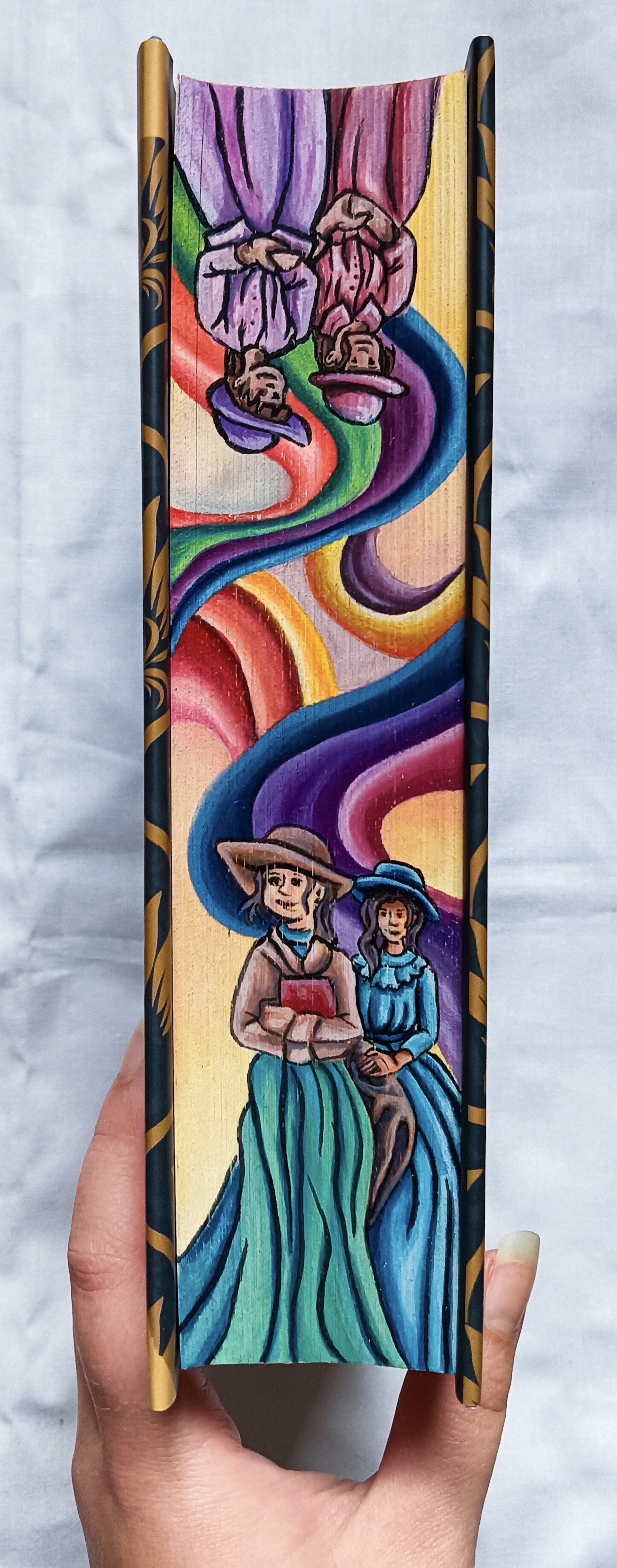
maľbu na knihy, kde som spojila svoje dve najobľúbenejšie činnosti. Taktiež som sa venovala
digital artu, pri ktorom som začala pracovať v novom programe, ktorý som si musela osvojiť
a urobila som viditeľný progres v tomto smere. Ale venovala som sa aj zopár väčším
obrazom, kde som pracovala so svojou milovanou technikou olejomaľbou. K všetkým týmto
rôznorodým projektom ma priviedla láska k umeniu a chuť učiť sa nové veci. Čím je umenie
pestrejšie, tým je pre mňa zaujímavejšie a každým dňom ma fascinuje viac a viac.
Čo je typické pre tvoju tvorbu?
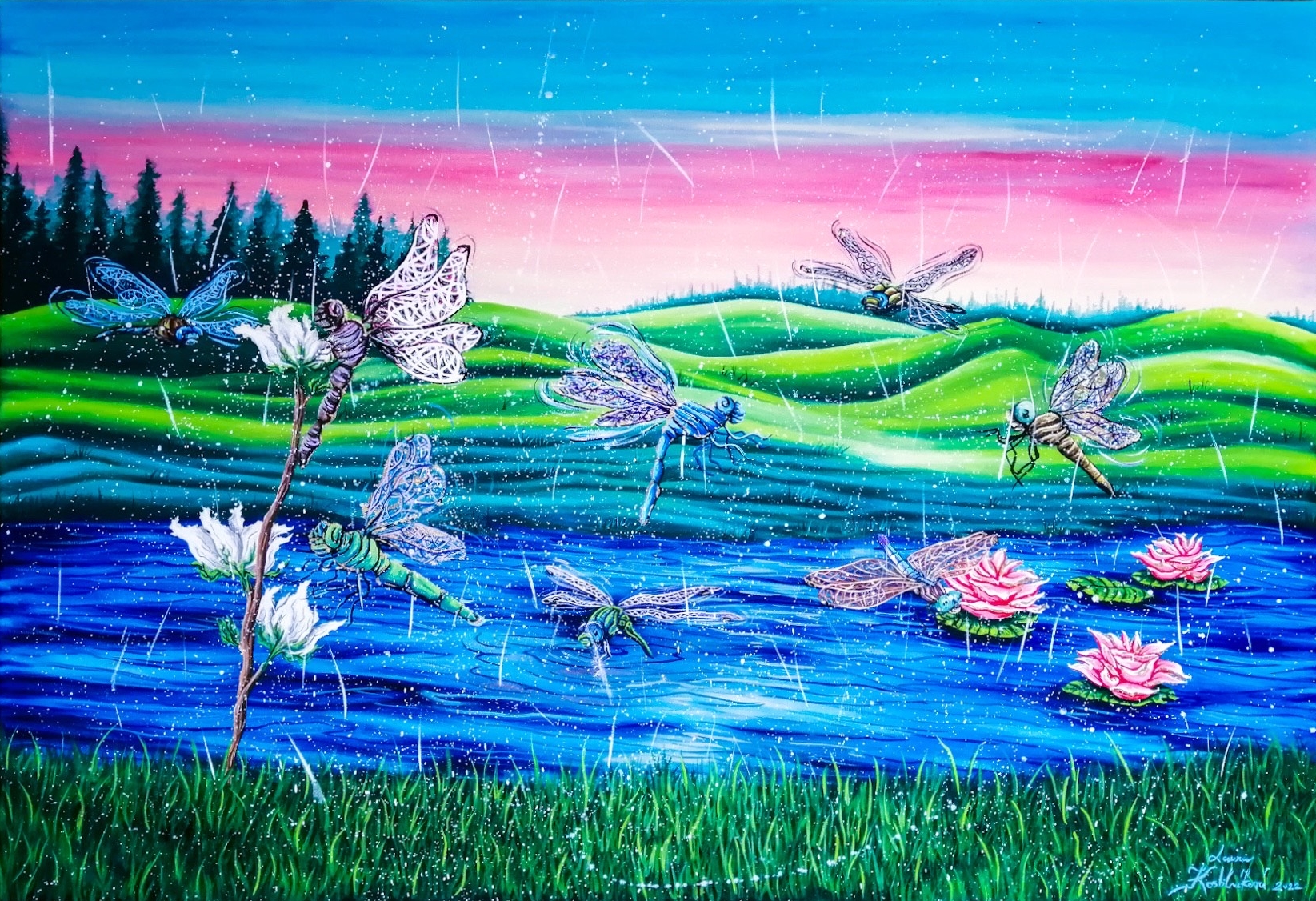
Povedala by som, že sú to skôr sýte farby. Čím je obraz farebnejší tým viac
prezentuje moju fantáziu, ale taktiež rada používam chladné tony. Pri tomto druhu farebnosti
sa rada hrám so zlatou farbou alebo zlatými plátmi, ktoré mojím dielam dodajú potrebne
svetlo a posunú ich na vyššiu úroveň. Taktiež moje diela majú ilustratívny nádych. Na prvý
pohľad možno vyzerajú rozprávkovo, ale ukrývajú v sebe skryte významy, len ich treba nájsť.

Aké námety máš najradšej a kde čerpáš inšpiráciu? Máš aj obľúbenú kombináciu
farieb?
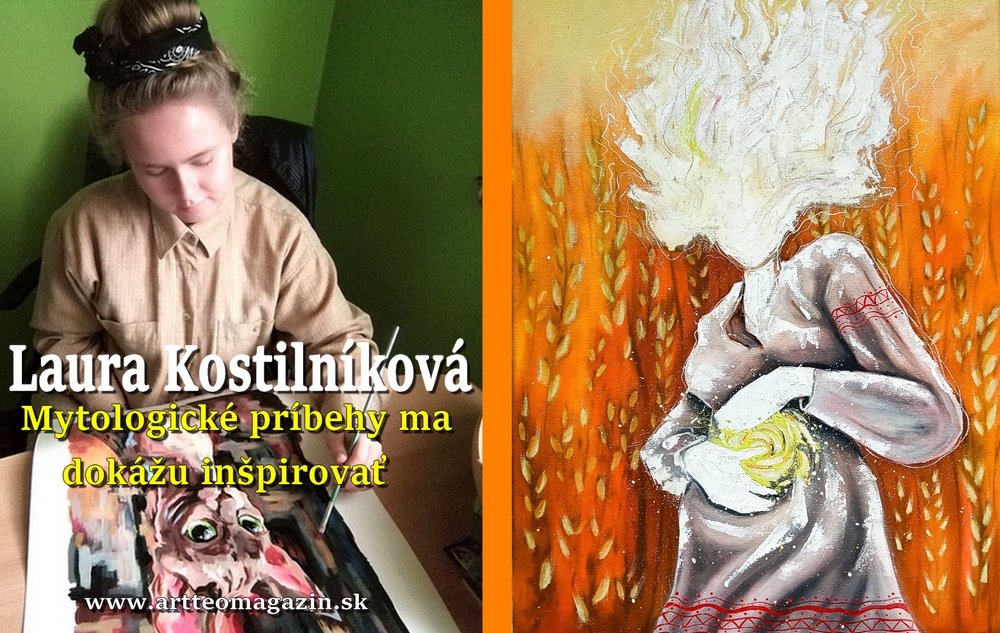
V poslednej dobe som sa začala zaujímať o mytológiu. Prevažné o slovanskú, ale
rada si zisťujem zaujímavosti aj o egyptskej, gréckej, severskej, čínskej alebo japonskej. Tieto
prvky sa do mojej tvorby preniesli vo veľkej miere. Je to niečo, čo ma fascinuje a chcem
svoju tvorbu posúvať viac týmto smerom aj naďalej. Čo sa týka čerpania inšpirácii, nebudem
hovoriť, že inšpirácia je všade okolo nás. Je to v určitom zmysle pravda, ale ja čerpám
najčastejšie zo sociálnych sietí ako je instagram, pinterest, či google. Keď uvidím zaujímavý
obrázok, automaticky sa mi v hlave vytvorí obraz, ktorý čaká len na svoju realizáciu. A čo sa
týka mojej obľúbenej kombinácii farieb, povedala by som, že sú to rôzne odtiene modrej
a fialovej. Po týchto dvoch farbách podvedome siaham najčastejšie.
Vieme, že máš za sebou zaujímavý projekt. Povedz nám o tom bližšie.
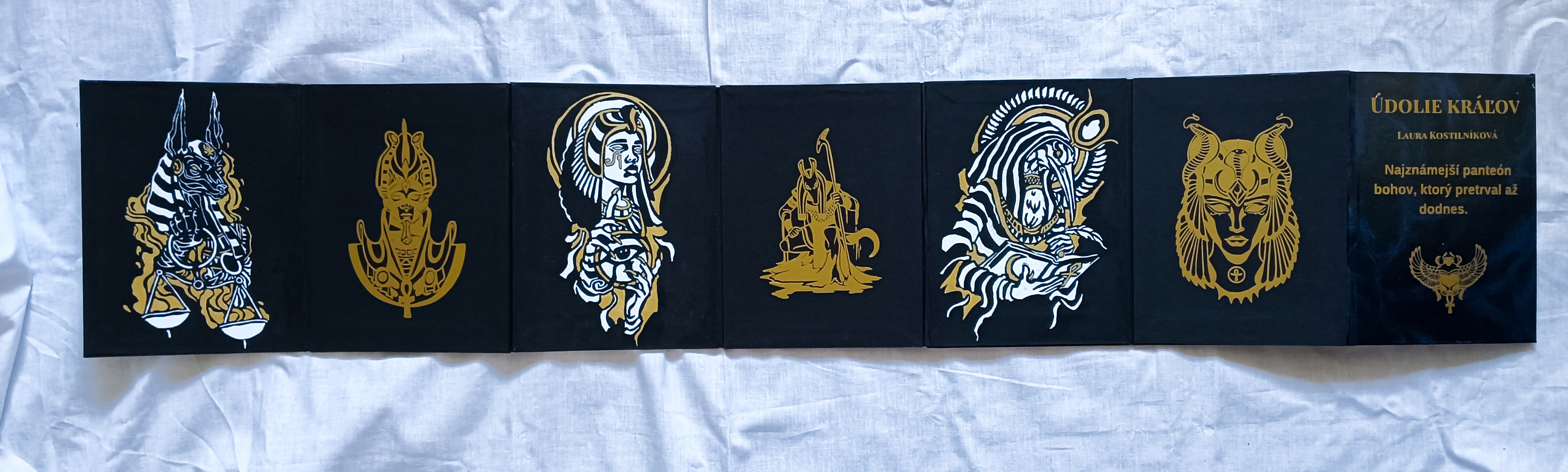
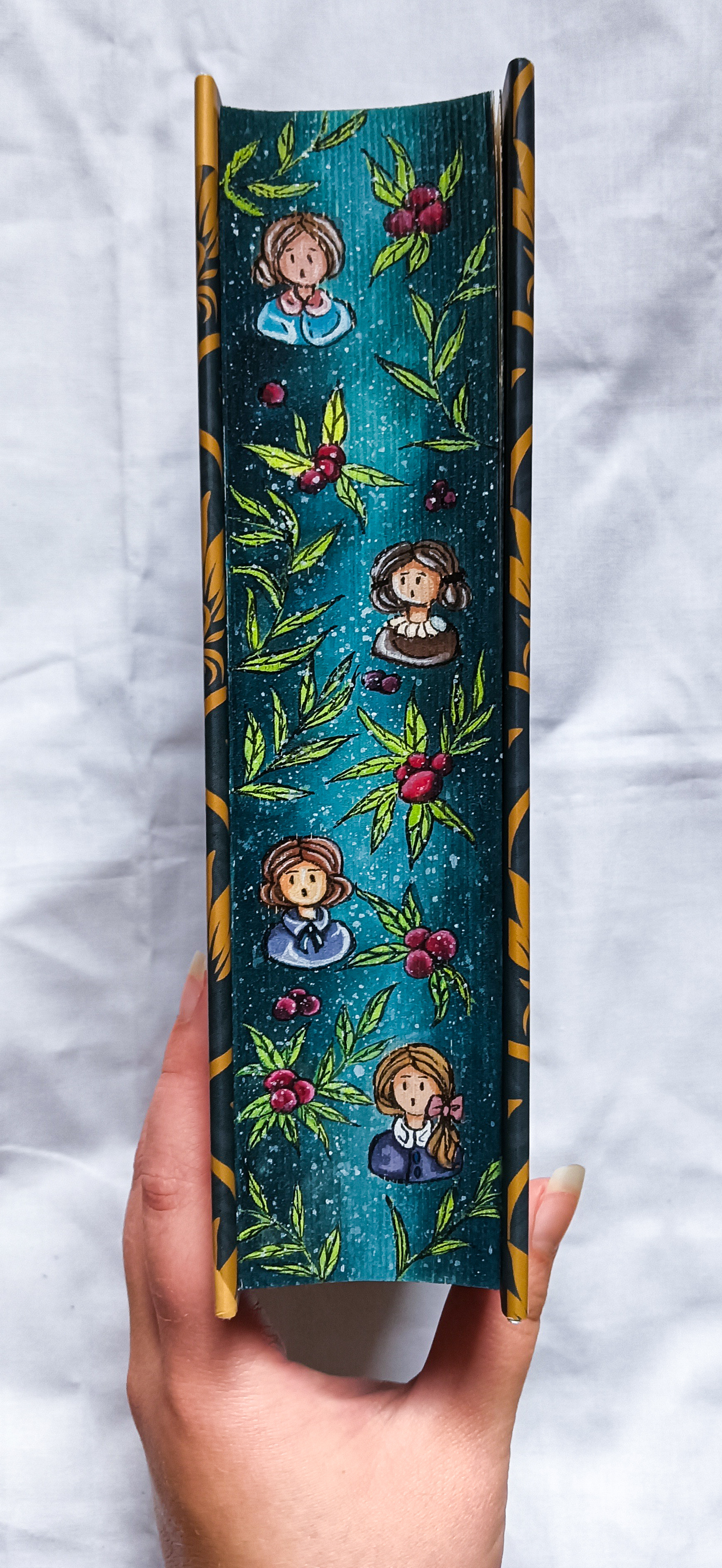
Ako som už spomínala venujem sa maľbe na knihy. Jedna sa o pomaľovanie
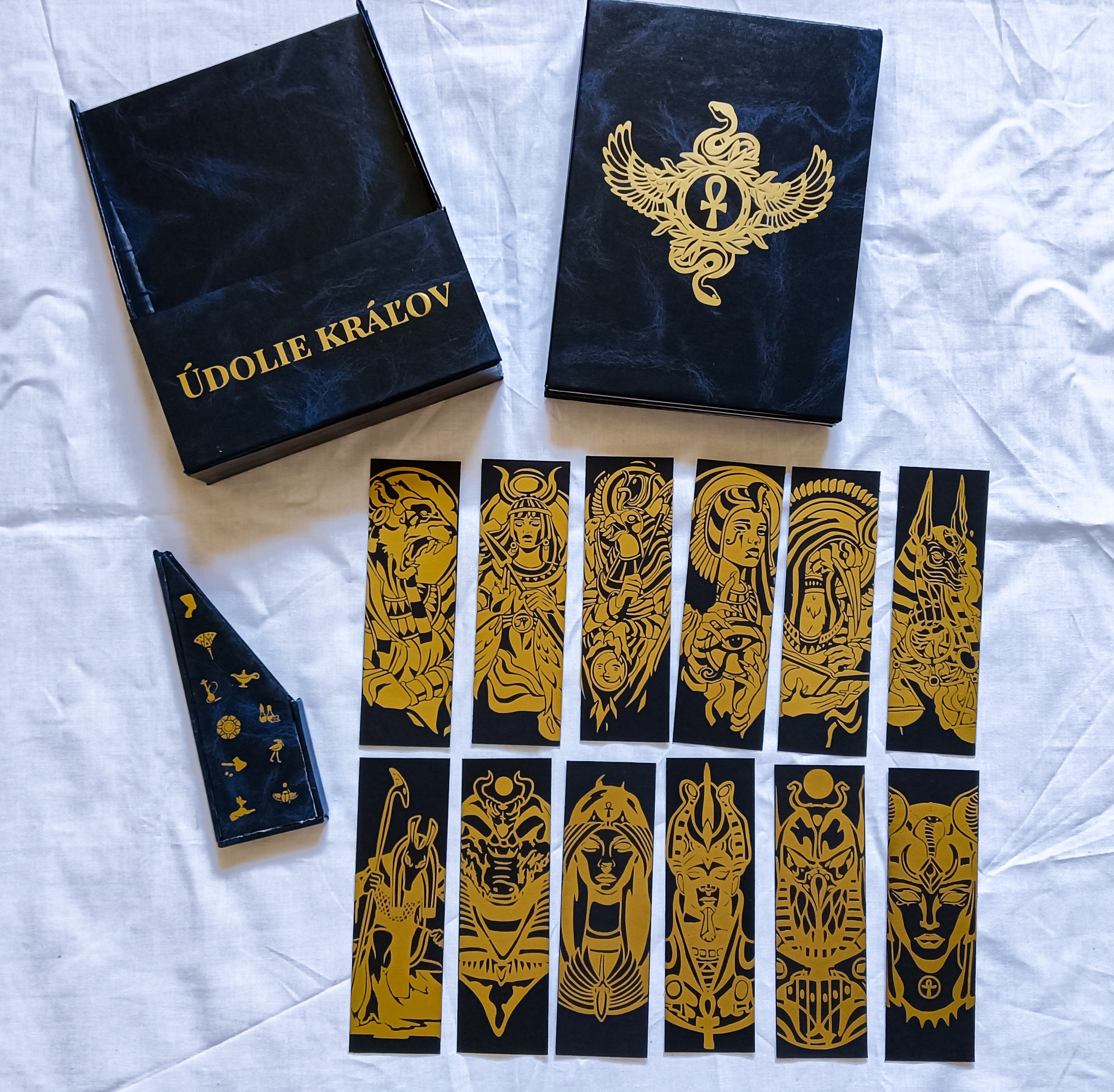
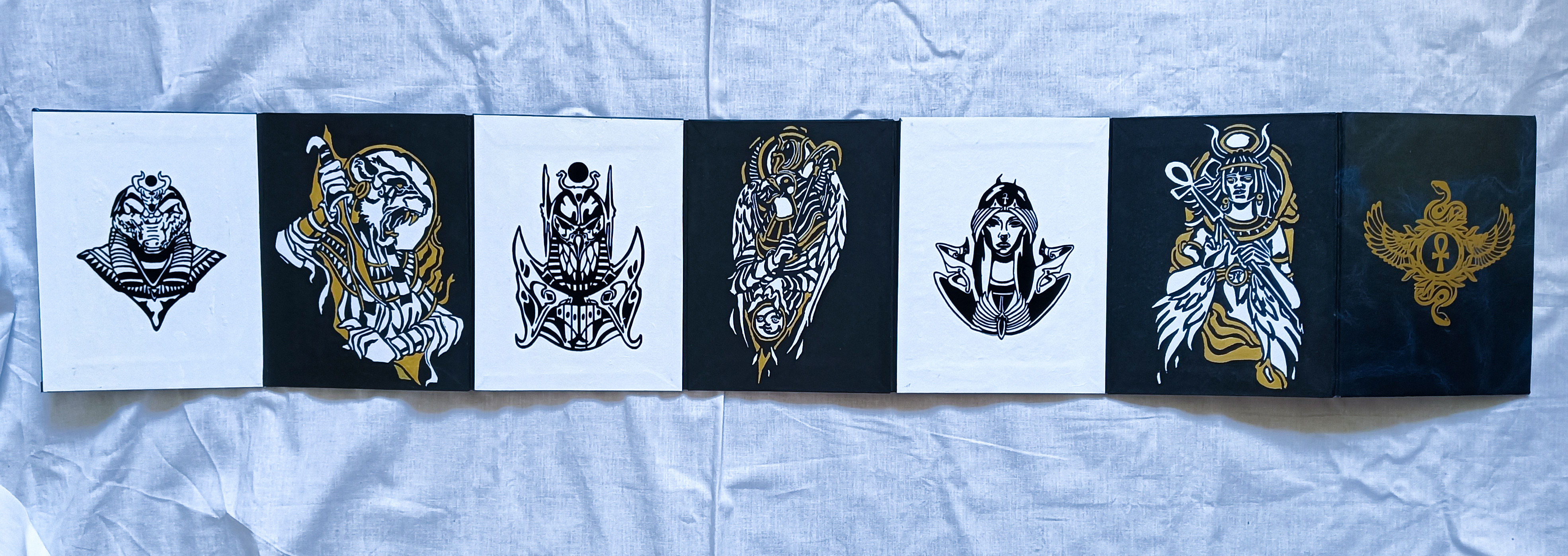
knižnej oriezky, ale pri tomto projekte som vytvorila vlastné dve knihy. Týka sa to leporela,
ktoré bolo inšpirované egyptskou mytológiou. Neobsahovala žiadne texty, oba ilustrácie
egyptských bohov, ktoré som vytvorila tlačou z výšky (linoryt) a zlatej nažehľovaciej fólie,
kde som pracovala s ploterom a grafickými programy. Následne som vytvorila leporelo, kde
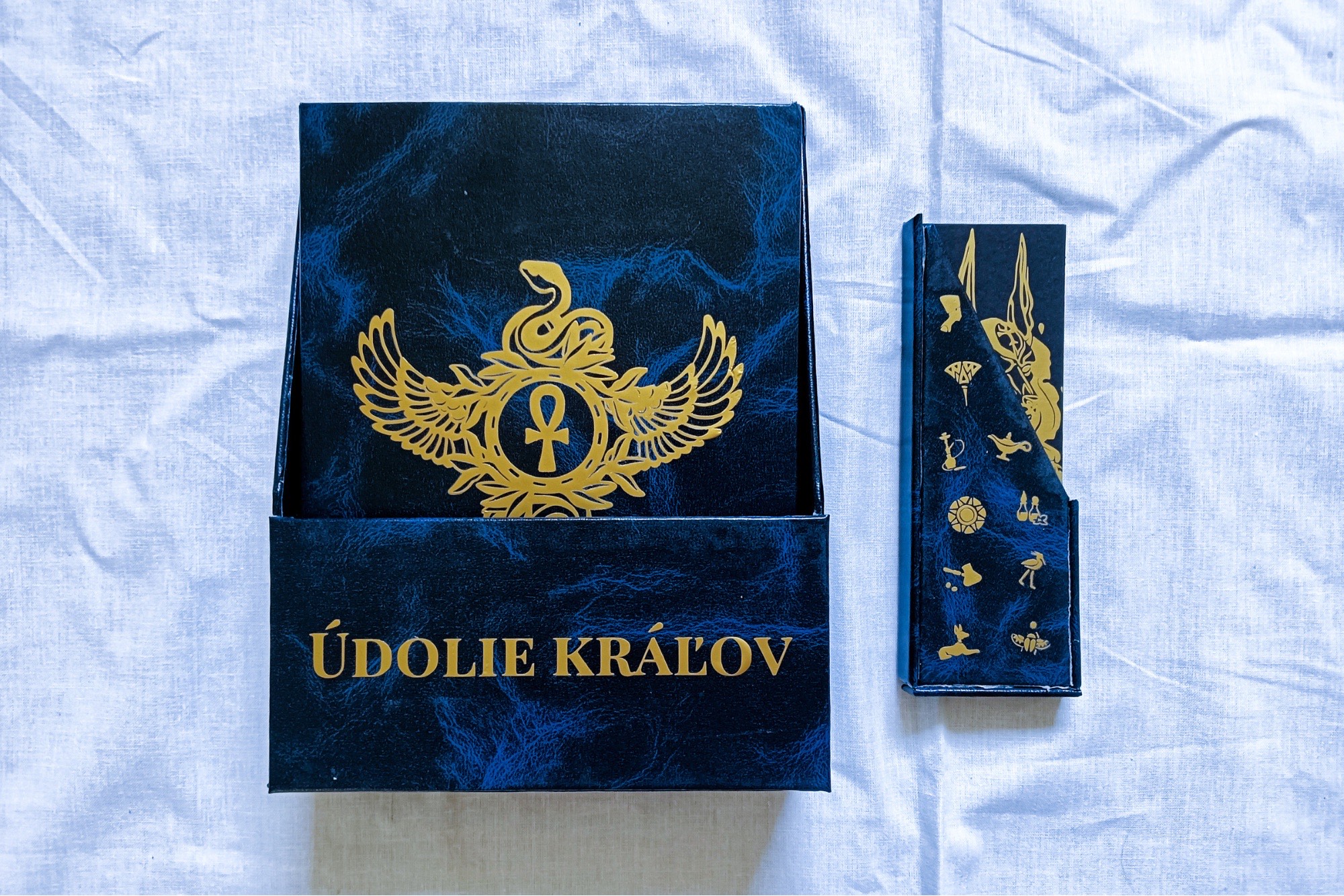
som pracovala s rôznymi knihárskymi materiálmi. Kniha bola doplnená o knižnú kazetu,
v ktorej bolo leporelo uložene, séria záložiek, taktiež ručne vyrobených a uložených
v špeciálnej kazete.
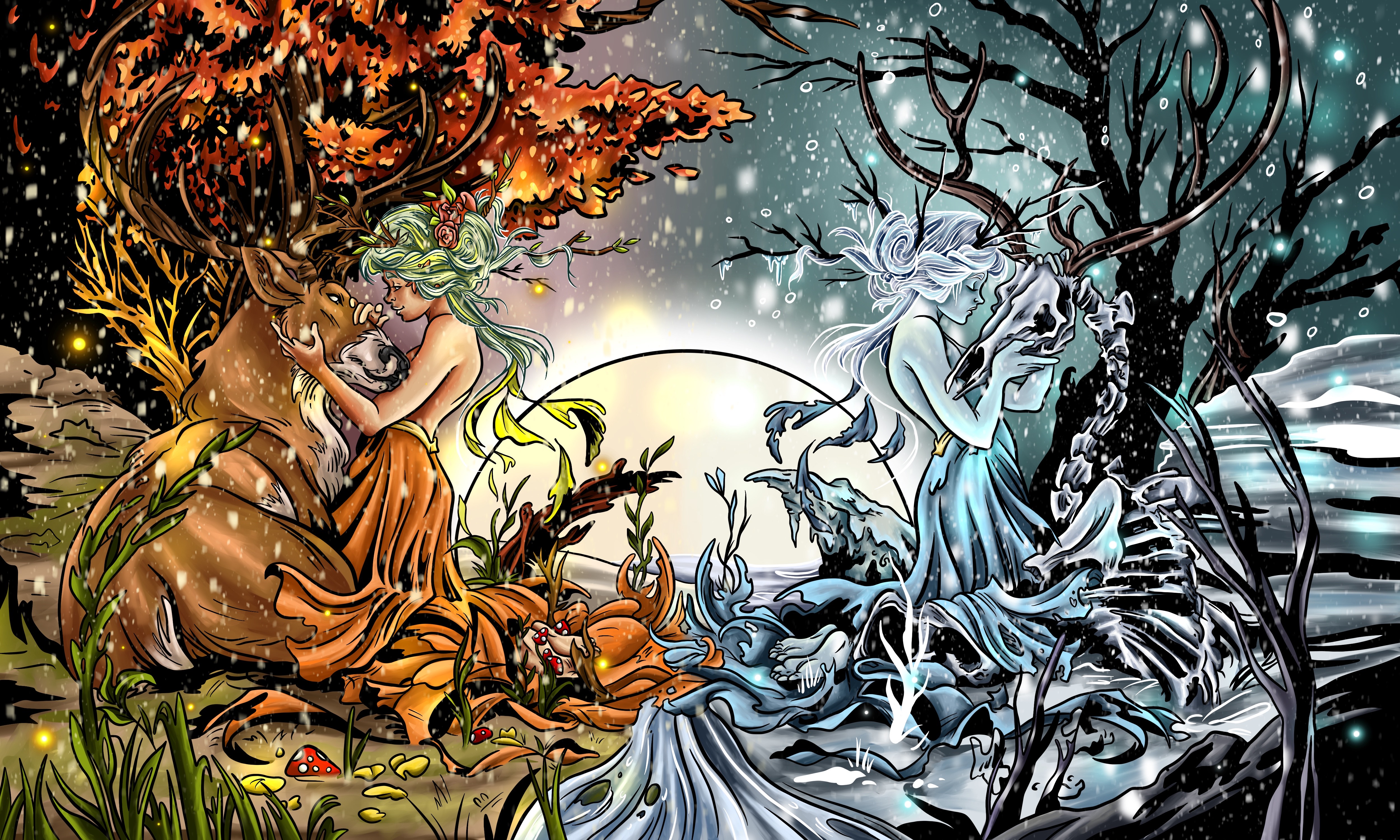
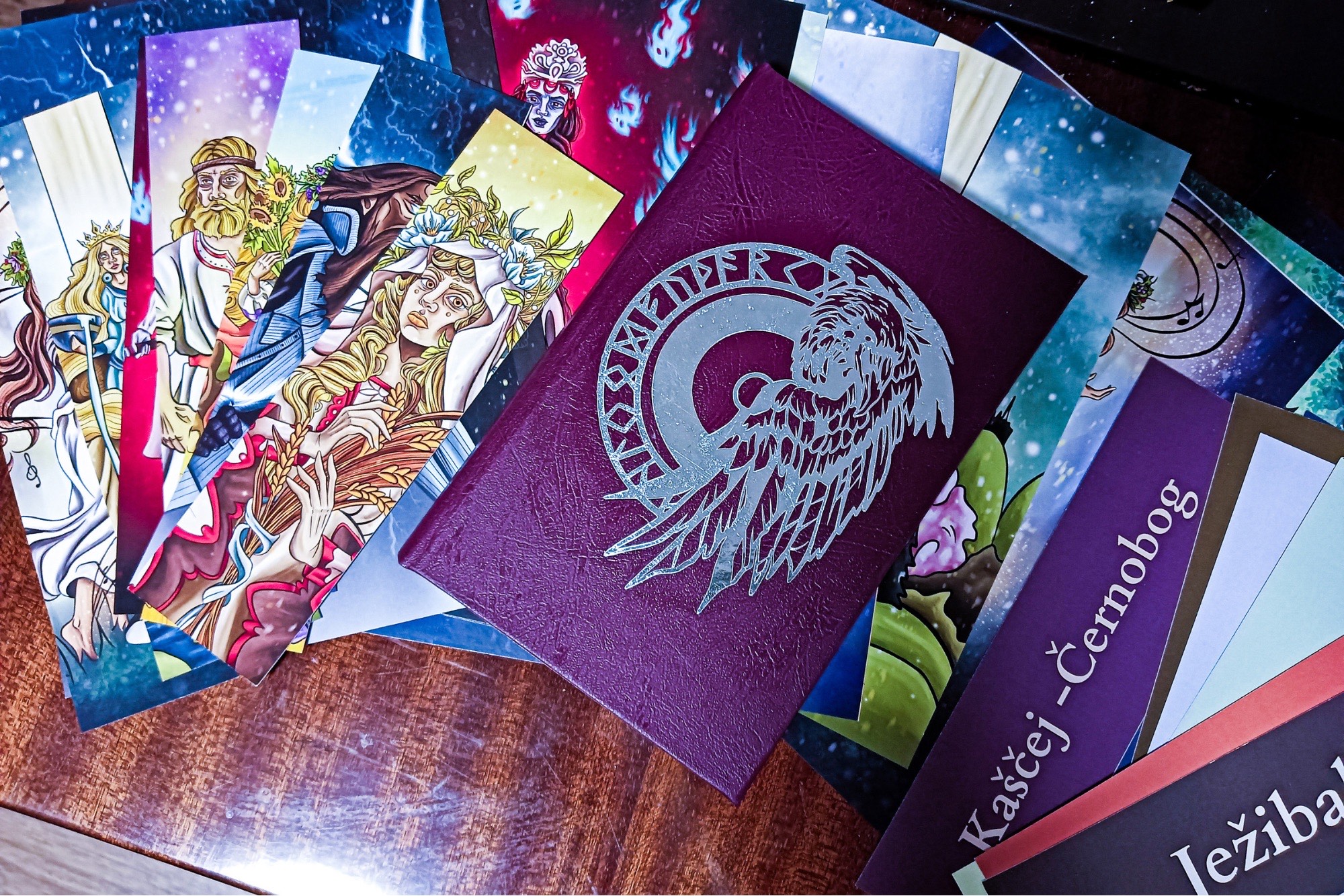
Pri druhej knihe som sa inšpirovala slovanskou mytológiou. Vymyslela som vlastný príbeh
o bohyniach Morene a Vesne, ktorý som napísala a následné ilustrovala. Pre túto knihu som
ilustrácie zvolila digitálne (digital art). Keď som mala všetok materiál pripravený začala som
knihu dávať dokopy v grafickom programe, kde som ukladala text a lustrácie do finálnej
podoby, ktorú som následné dala tlačiť. Knihu som ručne zviazala, vyrobila obálku, prebal
a znovu sériu záložiek.
Pri práci na knihách som sa priučila kníhviazačstvu a je to niečo, čomu sa chcem venovať aj
naďalej. Knihy sú cele vyrobene ručne, až na niekoľko výnimiek. Pracovala som s rôznymi
materiálmi, ktoré si vyžadovali individuálne zaobchádzanie. Taktiež knihy obsahovali odlišné
spôsoby vyrobí, čo znovu preverilo moje zručnosti ako po kreatívnej, tak aj teoretickej časti.
Čo pre teba znamená pojem umenie? Ako vnímaš svoj progres v doterajšej tvorbe?
Vyjadrenie svojích myšlienok. Určitá komunikácia s ľuďmi. Milujem pocit, keď
sa človek pozrie na môj obraz a premýšľa nad ním. Čo tým autor myslel? Prečo sú stromy
červene? Čo sa v tieni ukrýva? Takýmito otázkami moje dielo píše vlastné príbehy a presne
toto na umení milujem. Samotný proces je pre mňa vášeň, ale to čo začína po dokončení
obrazu je ďalšia fáza dobrodružstva.
Dosiahnutý progres v mojej tvorbe je niečo, čo ma teší a núti na sebe pracovať. Keď sa
pozriem na svoje diela, ktoré vznikli pred rokmi a v tomto roku, tak pociťujem určitú dávku
hrdosti. Ani sa mi nechce veriť, že som tie veci niekedy skutočne namaľovala, ale
samozrejme je ešte stále, čo zlepšovať a dolaďovať. Myslím, že nikdy nedôjdem do bodu,
kedy budem so svojím obrazom na sto percent spokojná, ale práve ten progres ma posúva
v pred a núti na sebe ďalej pracovať.
Ktoré zo svojich výtvarných diel považuješ za najviac osobné a prečo?
Povedala by som, že sú to práve tie knihy, ktoré som ručne vyrobila. Ich výrobou
som strávila skoro rok. Od prvého nápadu až po finálnu verziu, ktorú som mohla konečne
držať v rukách. Je to príliš dlhý čas, aby som si k nim nevytvorila nejaký vzťah. Ukázali mi,
že aj keď som pred tým nemala s kníhviazačstvom vôbec žiadnu skúsenosť, dokázala som
vytvoriť niečo, pre mňa nové a úplne bez pomoci. Do svojich kníh som vložila množstvo
energie, úsilia aj nápadov a vzniklo z toho niečo, na čo môžem biť patrične hrdá, hoci to
o mnohých svojích dielach nemôžem povedať to isté.
Aké výtvarné médium rada pri tvorbe využívaš?
Najradšej používam olejomaľbu. Povedala by som, že je to z určitej časti
alchýmia. Nepracuje sa len čisto s farbami, ale používajú sa aj rôzne média na riedenie farieb,
ktoré sa medzi sebou miešajú. Je to proces, ktorý ma baví a nakoniec finálne lakovanie
obrazu, to je čisté kúzlo. Všetky farby ako sa po zalakovaní rozžiaria. Čierne je odrazu úplne
čierna, hoci si človek myslí, že to ani nie je možne. Je to v určitom zmysle kúzlo. Hra rôznych
chemických zlúčenín, ale vytvoria dokopy niečo krásne a nové.
Ako s odstupom času vnímaš diela, ktoré si tvorila na začiatku? Čo vnímaš ako posun
vo svojej tvorbe? Navštevuješ aj nejaký kurz?
No v prvom rade vidím kopu chýb, či sa to týka pri nanášaní farieb, miešaní,
umiestnení alebo pri perspektíve. Ale sú to chyby na ktorých som sa učila a posúvala. Hoci to
nie sú diela, ktoré by ma mohli reprezentovať, ale sú to moje prvé vytvorí, na ktorých som sa
učila, stavala základy a budovala si lásku k umeniu.
Svoj najväčší posun vnímam asi v perspektíva, prácu s farbami, ktorá je na prvý pohľad dosť
zreteľná, ale hlavne detailnosť. Práve ta robí najväčšie rozdiely.
Momentálne nenavštevujem žiaden kurz, ale navštevovala som dva v spolupráci
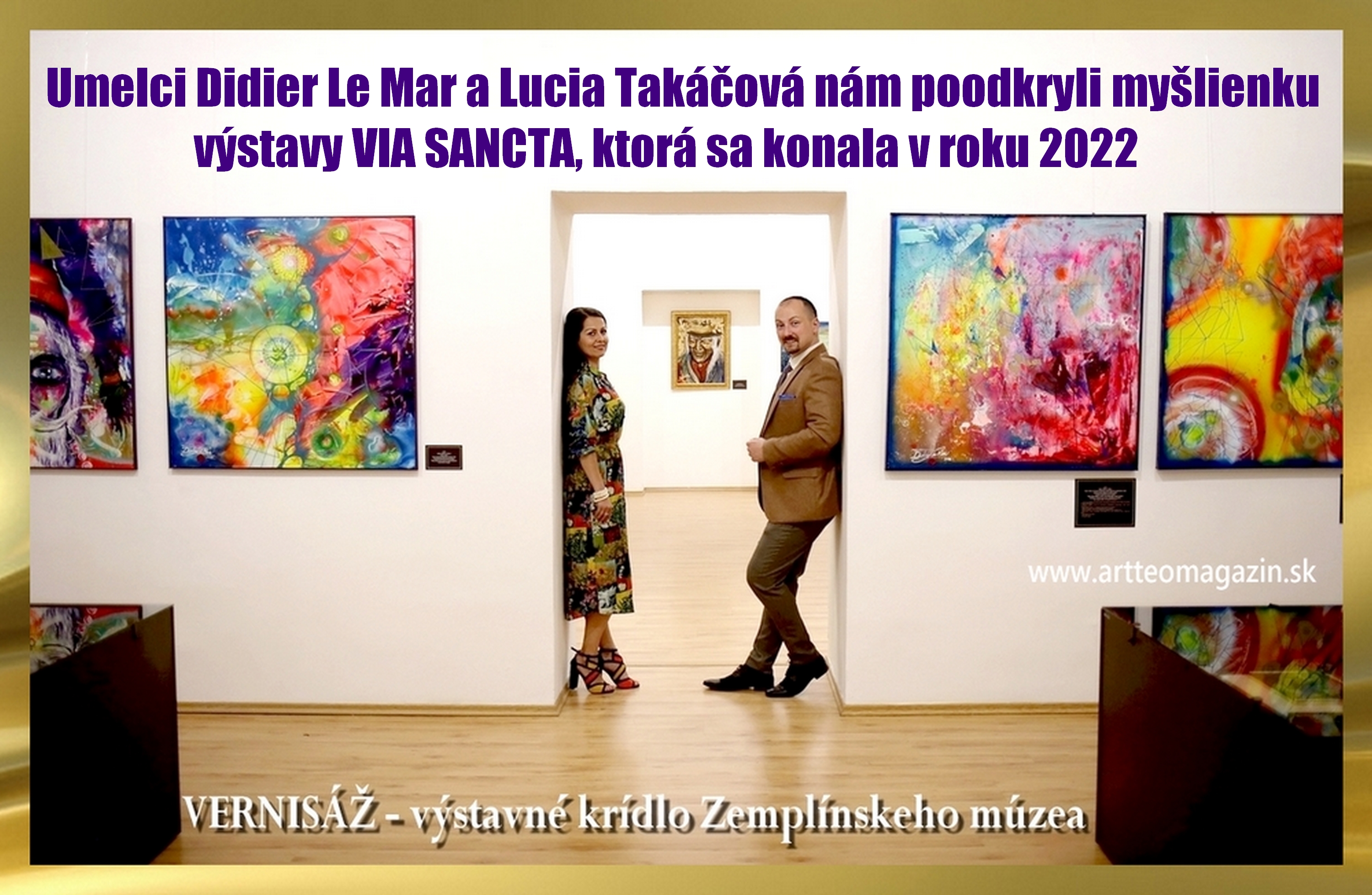
s BEAUTIFUL ART grand gallery, pod vedením akademického maliara Didier Le Mar, ktorý
prispel vo veľkej miere k môjmu progresu v tvorbe a naučil ma, že len s vystúpením
z komfortnej zóny, docielim najväčšie napredovanie vo svojej tvorbe.
Ako dlho ti zhruba trvá proces od myšlienky po vytvorenie obrazu?
Povedala by som, že je to celkom dlhá doba. Problém nie je v myšlienke alebo
v nápade. Tých mám milión, ale najťažšie je rozhodnúť sa, čo chcem práve maľovať a akou
technikou ju vyjadrím. Keď tento bod mám premyslení, začína skicovanie a až potom
začínam pracovať na obraze, ktorý mi zaberie kopu desiatok hodín až mesiacov. Pretože mám
tendenciu stále niečo opravovať, meniť finálny návrh za pochodu a nakoniec detaily, ktoré
dodávajú mojím obrazom to práve kúzlo.
Kedy si si uvedomila, že potrebuješ tvoriť a umenie je pre teba to pravé?
Myslím, že som to vedela odmalička. Bola som dieťa, ktoré stále bolo vedené
k umeniu a podvedome som si s ním vypestovala vzťah, ktorý ma neopustil ani teraz, práve
naopak ešte viac sa prehĺbil. Umenie je pre mňa forma terapie, možnosť vyjadriť sa, zábava
a o to väčšia, keď skúšam nové veci a techniky. Netvrdím, že niekedy neprežívam umelecký
blok. Stalo sa mi, že som aj mesiac nedržala štetec v ruke a neurobila jedinú čiarku, ale vždy
to prešlo a vrátila sa chuť tvoriť. Myslím, že týmto obdobím si prešiel každý umelec aspoň
raz. Najdôležitejšie je to prekonať a pokračovať.
Aké máš plány v tvorbe do budúcna?
Prvom rade pokračovať v obrazoch s mytologickou tematikou. Usporiadať
výstavu, ktorá bude úspešná nie len u nás, ale celkovo vo svete. Možno sú to v v mnohých
ohľadoch odvážne sny, ale časom je možne všetko. Taktiež sa chcem venovať kníhviazačstvu
a prerábať staré poškodené knihy. Vracať im život a zachrániť ich pred zničením alebo
vyhodením. Pretože knihy a umenie je niečo, čo najviac milujem, a keď ich dokážem spojiť
dokopy, prečo toho nevyužiť a nezlepšovať sa v tom?
Exkluzívne výtvarné kurzy od BEAUTIFUL ART gallery
Pod vedením etablovaného umelca Didiera Le Mara ponúkame vysokokvalitné výtvarné kurzy, ktoré sú prispôsobené individuálnym potrebám a umeleckému smerovaniu každého účastníka.
Kompletné poradenstvo a odporúčanie najvhodnejšieho individuálneho kurzu.
Pre viac informácií nás kontaktujte správou na:
Si umelec alebo umelkyňa s jedinečnou tvorbou, no hľadáš cestu k väčšej publicite?
Predstav svoju tvorbu svetu! Napíš nám na