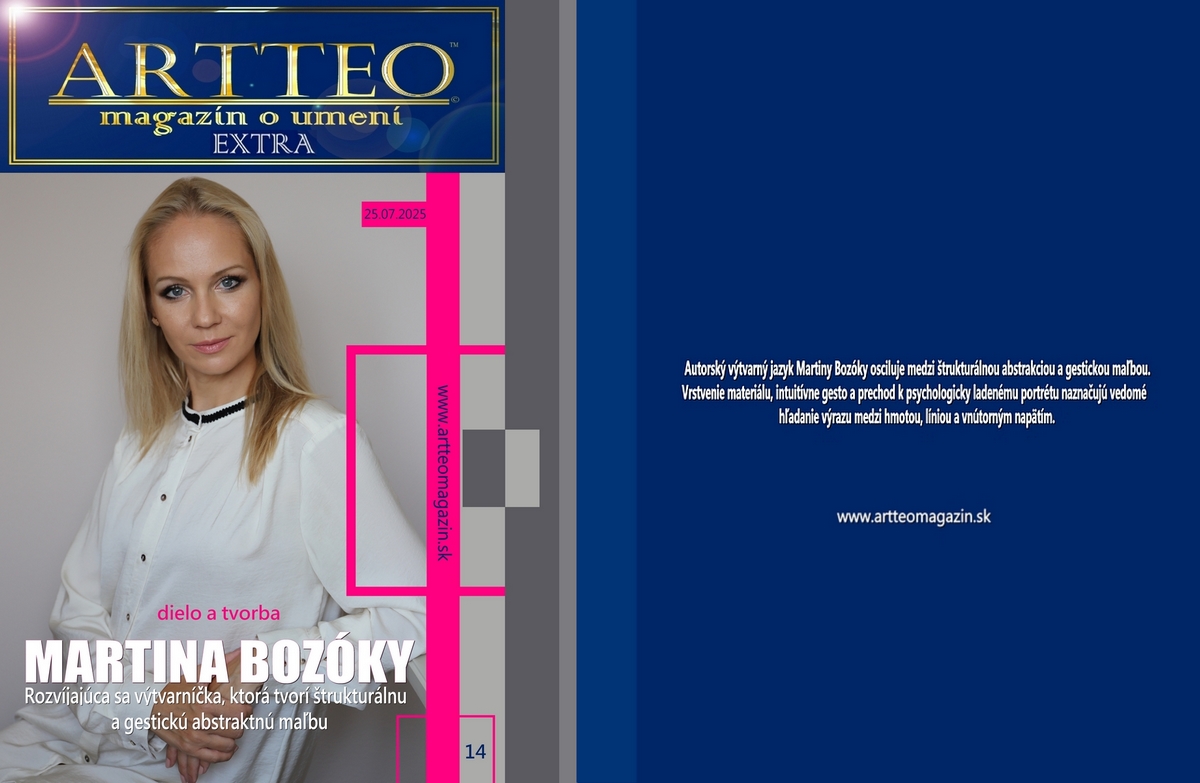
Tvorba Martiny Bozóky predstavuje pozoruhodnú syntézu štrukturálnej abstrakcie a gestickej maľby – dvoch výrazných polôh moderného a súčasného výtvarného jazyka. Ide o vizuálny dialóg medzi hmotou a pohybom, medzi trvácnosťou a okamžitosťou, medzi tichou silou minerálu a dynamikou tanečného kroku.
V raných fázach jej tvorby dominovalo budovanie povrchu prostredníctvom hmotných vrstiev, pigmentových nánosov a reliéfnych štruktúr, ktoré niesli introspektívny charakter a haptickú prítomnosť. Tieto obrazy pôsobili ako vizuálne denníky vnútorných procesov – pomalé, vrstvené, meditatívne. Neskôr autorka plynulo prešla k energickejšiemu prejavu, v ktorom do popredia vstúpilo intuitívne gesto, výrazová línia a rytmus farebných akcentov.
Táto postupná transformácia prezrádza vedomé hľadanie vlastného autorského idiomu v rámci abstraktnej reči. V posledných rokoch sa Martina Bozóky odvážne púšťa aj do portrétnej maľby, kde sa sústreďuje na výrazovosť tváre, psychologickú hĺbku a emocionálnu intenzitu pohľadu. Tento vývoj potvrdzuje jej otvoren osť voči novým formám vizuálneho vyjadrenia a smerovanie k širšej syntéze formy, významu a emocionálneho obsahu.
Štrukturálna abstrakcia (známa aj ako matiérizmus, z franc. matière – hmota) sa objavila v polovici 20. storočia ako reakcia na čisto iluzívne a plošné chápanie obrazu. Umelci ako Jean Dubuffet či Antoni Tàpies začali pracovať s materiálom nielen ako s nositeľom farby, ale ako s autonómnou plastickou zložkou diela. Reliéfny povrch prestal byť len podkladom pre obraz – stal sa samotným obsahom. V hmotnej vrstve farby sa zapisuje čas, gesto i energia.
Martina Bozóky túto tradíciu preberá a rozvíja ju v súčasnom duchu – využíva štruktúrovacie pasty, pigmenty, metalické prášky a voskové pasty, ktoré vrstvením a následnou koloráciou získavajú charakter organického povrchu.
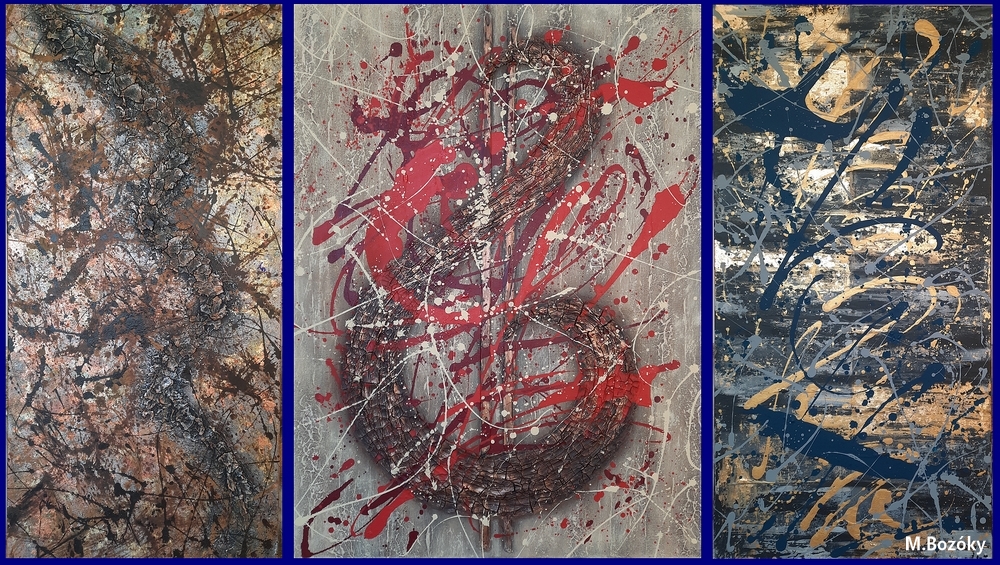
Gestická maľba, úzko spojená s prúdom action painting, našla svoje najsilnejšie vyjadrenie v tvorbe Jacksona Pollocka, Franza Klinea či Willema de Kooninga. Ide o maľbu, kde samotný proces tvorby – rýchly ťah, rozstrek, oblúk ruky – je rovnako dôležitý ako výsledný obraz. Gestická maľba je záznamom fyzickej akcie.
V kontexte tvorby Martiny Bozóky má gesto navyše tanečný pôvod – jej pohyb s plátnom je vedomý, rytmizovaný a vychádza z dlhoročnej tanečnej praxe. To, čo Pollock dosahoval intuitívnym rozlievaním farby, ona pretvára na vedomú choreografiu, kde každý oblúk a švih nesie rytmus tanca.
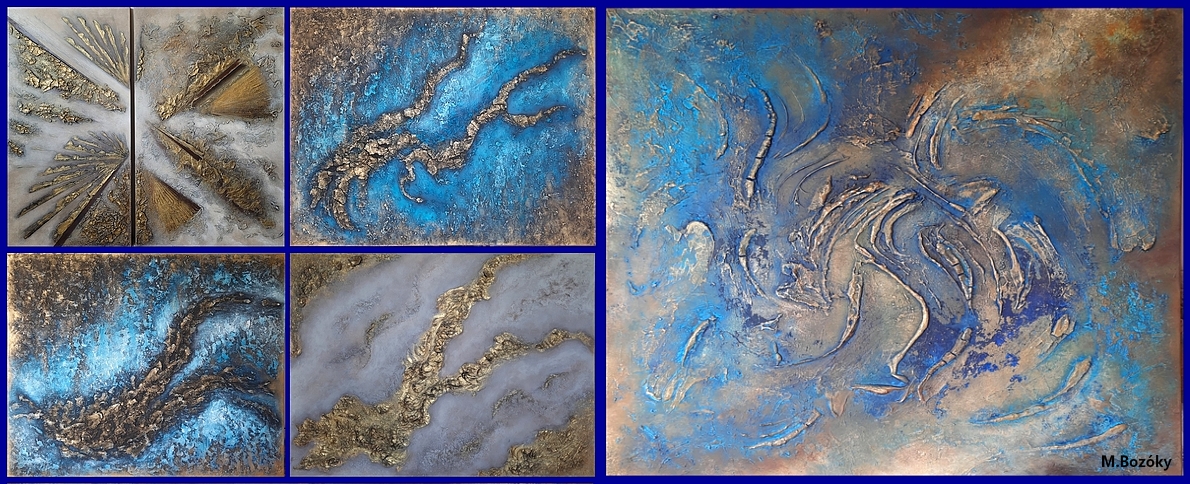
Na prvý pohľad môžu jej obrazy pôsobiť ako výrezy horninovej steny – žula, bridlica, pieskovec s kovovými inklúziami. Tento minerálny efekt je výsledkom zámernej umeleckej transpozície: ide o „zrýchlenú geológiu“, ktorú autorka vytvára v priebehu dní či týždňov.
Vrstvy štruktúrovacej pasty necháva prirodzene praskať, pigmenty prenikajú do štrbín a metalické odlesky pripomínajú žily drahých kovov. Vzniká tak metafora trvácnosti, stability a energie Zeme – hodnoty, ktoré kontrastujú s efemérnosťou tanečného pohybu.
Takýto vizuálny jazyk má dvojitý účinok:
pre milovníka prírody a minerálov je obraz takmer hmatateľným artefaktom geologického času,
pre znalca abstrakcie je reliéf mapou energie a pohybu, zastaveného v čase.
Martina Bozóky vyrastala v prostredí, kde umenie bolo životným štýlom. Otec – profesionálny hudobník a interierový maliar – jej vštepil zmysel pre disciplínu a estetiku; mama, ktorá tancovala a spievala v ľudovom súbore, jej odovzdala rytmus a vášeň pre pohyb. Sama sa venovala hre na violončelo, no jej hlavnou umeleckou disciplínou sa stal tanec.
Počas osemnástich rokov profesionálnej tanečnej kariéry absolvovala súťaže na Slovensku aj v zahraničí, pričom vrcholom bola účasť na majstrovstvách sveta. Tento pohybový a hudobný základ sa dnes premieta do každého ťahu jej štetca.
Každé dielo vzniká v niekoľkých etapách:
Základná hmotová vrstva – nanesenie štruktúrovacej pasty a vytvorenie reliéfu.
Základné tónovanie – preniknutie farby do štrbín a pórov hmoty.
Farebná modulácia – vrstvenie akrylových farieb a pigmentov.
Metalický akcent – aplikácia zlatých, bronzových alebo medených práškov a voskov.
Finálny zásah gestom – dynamické švihy, rozstreky a línie, ktoré obraz oživia a rytmizujú.
Tento proces je spojením remeselnej disciplíny a intuitívnej improvizácie – rovnako ako v tanci.
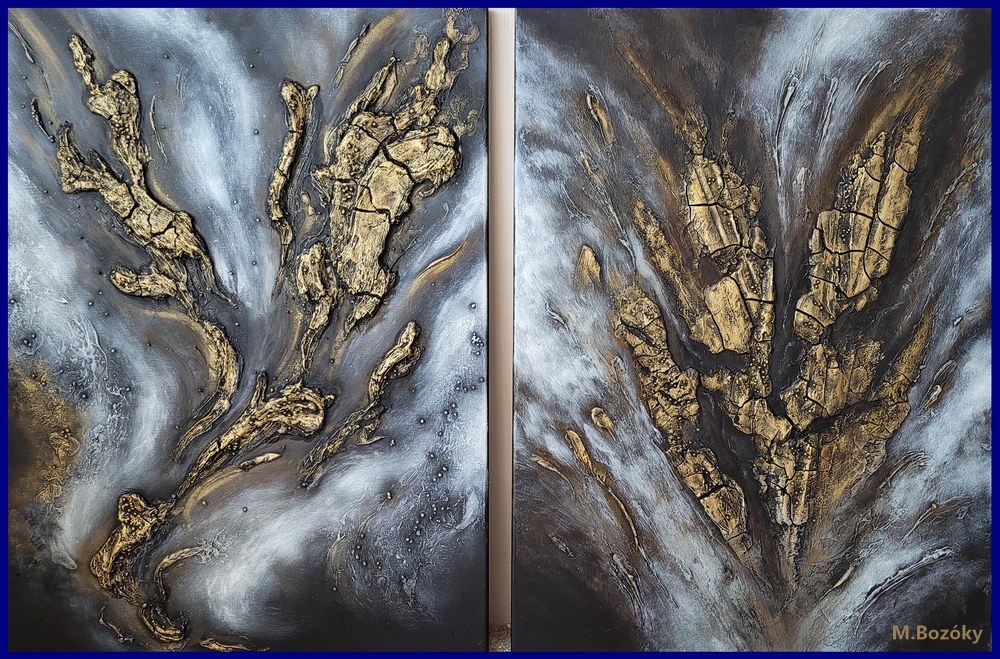
Umenie tanca – Flamenco: explózia červenej, rytmu a kontrastu. Gestické línie sa prelínajú s pastóznou hmotou, farba pulzuje ako hudba.
My Soul – Conversion: spojenie modrej (pokoj, introspekcia) a zlatej (duchovné bohatstvo) v harmonickom celku.
Increase: gradácia farebných vrstiev symbolizuje rast a vnútornú silu.
Connection, Resumption, Emanation, Step by Step, Foxtrot: variácie na tému prepojenia štruktúry a gesta, každý obraz ako iný rytmus choreografie.
Portréty – Alone in the Dark: psychologicky intenzívny moment úzkosti; Colorful Passion: nespútaná ženská energia; Lost in Colors: geometrizovaná retro estetika so súčasným akcentom.
Hoci jej práca je prevažne abstraktná, Martina Bozóky priznáva obdiv k impresionistom a postimpresionistom. Renoira a Maneta oceňuje pre schopnosť zachytiť ľudskú radosť a pohyb, Van Gogha pre farebnú expresivitu a tektoniku ťahu štetca.
Členstvo v K.S.V.B.A. – Klube slovenských výtvarníkov BEAUTIFUL ART potvrdzuje jej umeleckú integritu a zaradenie do umeleckej scény. Súkromné štúdium pod vedením Didiera Le Mara v BEAUTIFUL ART gallery jej poskytuje platformu na neustále zlepšovanie techniky a kompozície.
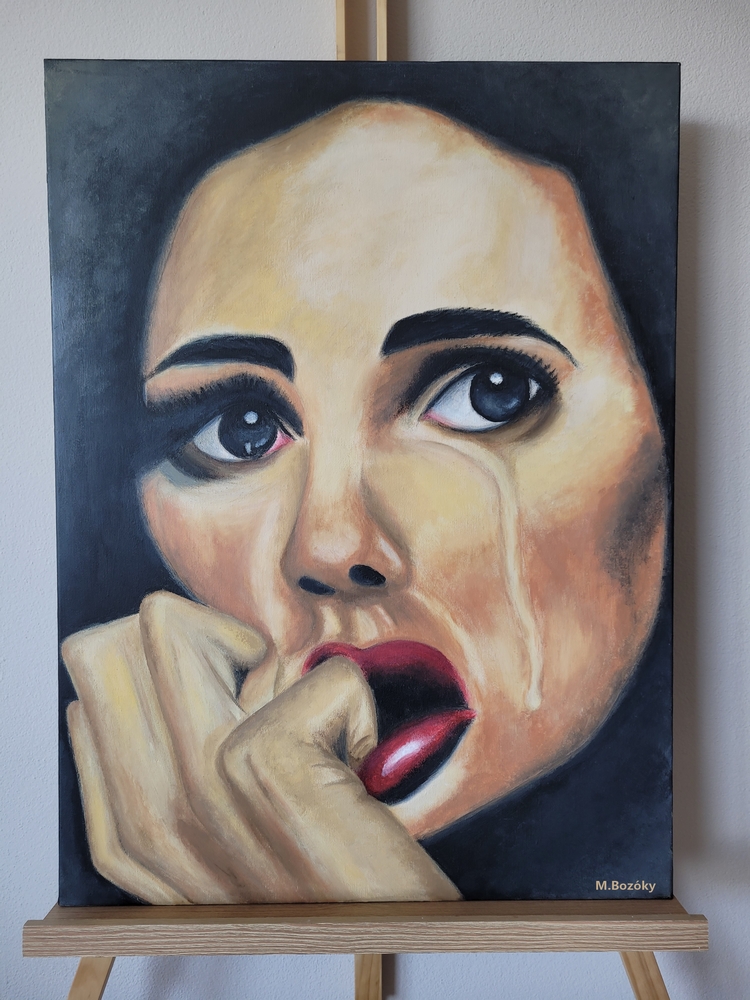
Posun k figurálnemu prejavu je v tvorbe Bozóky pozorovateľný ako prirodzené rozšírenie jej výtvarného spektra. V diele Sama v tme (2024) sa stretáva maliarska disciplína s intenzívnym psychologickým obsahom. Detail ženského tvárového fragmentu – napäté pery, zvlhnuté oči, nervózne stisnuté prsty – sa stáva psychologickým portrétom úzkosti.
Kompozícia je záměrne tesná, orezaná tak, že divák je „vtiahnutý“ do intímneho priestoru modelky. Svetelný kontrast medzi osvetlenou pleťou a tmavým pozadím vytvára dramatickú chiaroscuro atmosféru, ktorá evokuje barokovú teatralitu, no zároveň si zachováva modernú civilnosť. V tejto práci je možné vidieť aj paralelu s novým realizmom a hyperrealistickou psychológiou portrétu.
Kolekcia: Hra farieb (2024 – 2025)
Autor: Martina Bozóky
Technika: Akryl na plátne
Rok vzniku: 2024
Rozmery: 54 × 73 cm
Dielo Sama v tme patrí do tvorby, ktorú možno zaradiť na pomedzie súčasného expresívneho realizmu a psychologickej figurácie. Tento prístup je blízky tendenciám nového realizmu 70.–90. rokov, kde cieľom nie je len technická ilúzia reality, ale aj prenesenie vnútorného psychického stavu postavy do výrazových prostriedkov maľby.
Kompozične sa obraz radí do tradície detailnej tvárovej fragmentácie – podobne ako v tvorbe Chucka Closea, Franza Gertsch či v niektorých portrétnych štúdiách Luciana Freuda, kde sa blízky orez tváre stáva prostriedkom k maximálnej emocionálnej intenzite.
Podklad a technika: Akryl na plátne umožnil autorke pracovať v rýchlych vrstvách, čím zachovala výrazovú sviežosť a čistotu farebných plôch. Povrch je hladký, bez pastózneho modelovania, čo podporuje sústredenie na farebný kontrast a líniovú presnosť.
Farebná skladba: Dominujú tóny okrovej a teplej béžovej modelujúce pleť, kontrastujúce s intenzívnou karmínovou červeňou pier a tmavými tieňmi pozadia. Tmavomodré až čierne pozadie izoluje tvár od vonkajšieho priestoru a vytvára psychologickú izoláciu.
Modelácia objemu: Svetelný zdroj prichádza zľava, čo umožňuje plastickú modeláciu líc, nosa a prstov. Jemné prechody tónov naznačujú cit pre objem a realistickú gradáciu.
Líniová presnosť: Oblasť očí a pier je vedená s väčšou detailnosťou, čo zdôrazňuje psychologickú dominantu obrazu.
Autorka volí tesný výrez, ktorý zaberá takmer celú výšku plátna. Takéto riešenie potláča priestorové pozadie a maximalizuje intenzitu kontaktu diváka s emocionálnym jadrom diela.
Ruka zakusujúca prsty je umiestnená v diagonále od dolného ľavého rohu smerom k ústam – táto diagonála vedie oko diváka priamo k výrazovému centru (oči – ústa – slza).
Výraz tváre odhaľuje stav intenzívnej úzkosti či existenciálneho strachu.
Oči sú nositeľom hlavných emócií: sú široko otvorené, lesklé, s miernym začervenaním, čo môže naznačovať plač alebo dlhodobé napätie.
Slza stekajúca po líci je realistickým, no zároveň symbolickým prvkom – predstavuje očistenie, zraniteľnosť, no i nevypovedané slová.
Gesto ruky (zahryznutie do kĺbov prstov) je znakom sebaregulácie v stave strachu – gestom, ktoré má zabrániť verbálnemu alebo emocionálnemu výbuchu.
Psychologicky môžeme obraz interpretovať ako introspektívnu sondu do momentu, keď jedinec čelí neviditeľnému, ale ohrozujúcemu vnútornému alebo vonkajšiemu faktoru.
Z filozofického hľadiska možno obraz čítať ako vizualizáciu liminálneho priestoru – stavu na pomedzí dvoch realít: bezpečia a ohrozenia, nádeje a zúfalstva.
Tma v pozadí môže predstavovať neznáme alebo potláčané aspekty bytia, ktoré prenikajú do vedomej roviny.
Tesný výrez tváre potláča možnosť „úniku“ – divák je vtiahnutý do priamej konfrontácie s emóciou, čím sa stáva spoluprežívajúcim pozorovateľom.
Motív slzy a otvorených úst naznačuje dialektiku mlčania a výkriku – vnútorného hlasu, ktorý hľadá cestu von, no je zadržiavaný.
V kontexte existencializmu môže dielo odkazovať na Camusovu predstavu absurdného sveta, v ktorom jedinec hľadá zmysel tvárou v tvár tme, ktorá mu neponúka odpovede.
Ako súčasť kolekcie Hra farieb dielo ukazuje posun autorky od čisto abstraktnej a gestickej maľby k figurálnej expresii s dôrazom na psychológiu postavy. Ide o rozšírenie jej vizuálneho slovníka a experiment s emocionálnym realizmom.
Silné stránky: Jasná psychologická výpoveď, kompozičná sústredenosť, schopnosť prepojiť farebnú harmóniu s emocionálnou intenzitou.
Potenciál ďalšieho rozvoja: Prehĺbenie anatomickej modelácie, práca s jemnejšou gradáciou tieňov a väčšia variabilita v textúre povrchu môže posunúť dielo ešte bližšie k sofistikovanému figurálnemu štýlu.
Kolekcia: Hra farieb (2024 – 2025)
Autor: Martina Bozóky
Technika: Akryl na plátne
Rok vzniku: 2025
Rozmery: 60 × 80 cm
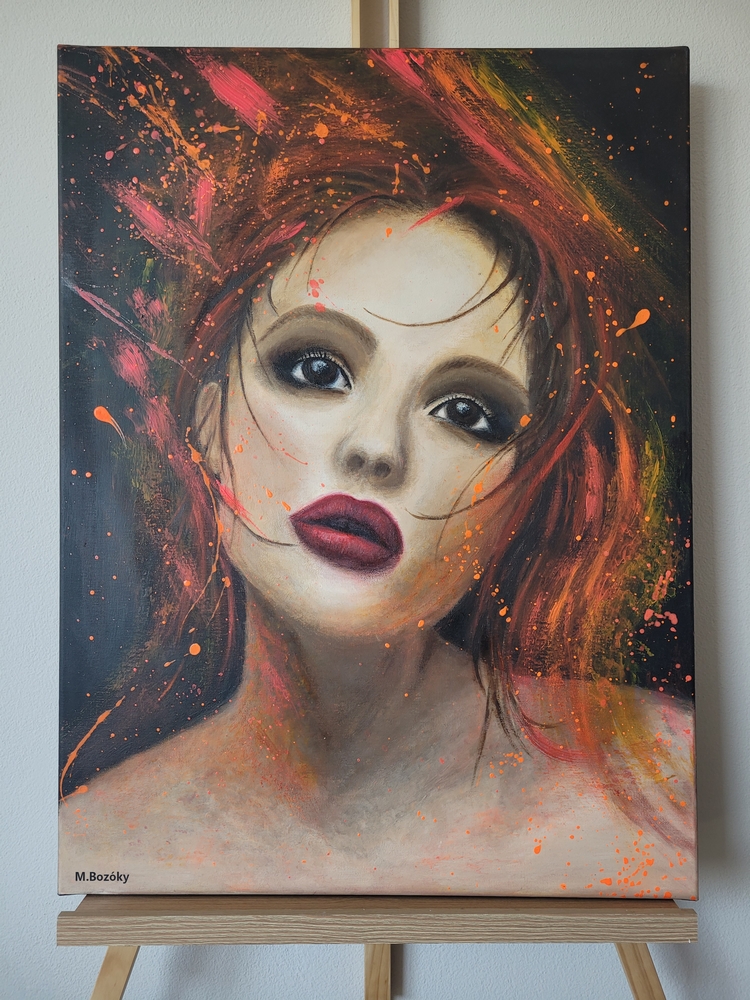
Dielo Vášeň plná farieb sa pohybuje na rozhraní súčasného portrétneho expresionizmu a fantazijnej figurácie. Táto poloha má korene v tradícii portrétnej maľby, no posúva ju do súčasného vizuálneho jazyka, v ktorom sa kombinuje realistická modelácia tváre s uvoľnenou, až akčnou gestickou maľbou v oblasti vlasov a pozadia.
Takýto princíp môžeme historicky priradiť k odkazu Action Paintingu (Jackson Pollock, Sam Francis) a k európskemu expresívnemu portrétu (napr. Jenny Saville či Francoise Nielly), kde sa presná modelácia tváre stretáva s dynamickými, spontánnymi gestami farby.
Podklad a technika: Akryl na plátne, ktorý umožňuje rýchle vrstvenie a zachytenie expresívnych špliechancov farby bez straty sýtosti odtieňov.
Farebná skladba: Dominujú sýte teplé tóny – karmínová, purpurová, oranžová a ohnivá červeň – kontrastujúce s tmavým, takmer čiernym pozadím. Tento kontrast vytvára pocit vnútorného žiarenia postavy.
Modelácia tváre: Realistická, s jemnými prechodmi svetla a tieňa, čím sa dosahuje plastickosť objemu. Mimoriadna pozornosť je venovaná očiam a perám – nositeľom hlavného emocionálneho náboja.
Expresívne prvky: Vlasy a ich okolie sú spracované voľnou, švihovou technikou, pričom farebné špliechance prerážajú aj do priestoru tváre. Tento zásah narúša iluzívnosť a vnáša do diela energiu a nepokoj.
Kompozícia je centrická, so silným vertikálnym ukotvením postavy. Pohľad diváka je okamžite vedený k očiam, ktoré sú symetricky umiestnené v hornej tretine plátna. Farebné špliechance vytvárajú kruhový rám okolo tváre, čím posilňujú pocit, že postava je stredom výbušnej energie.
Postava pôsobí ako zosobnenie vnútornej vášne a nezkrotenej energie.
Oči – hoci sú pokojné a mierne zasnené, kontrastujú s dynamikou okolia. Tento kontrast môže naznačovať vnútorný rozpor medzi tichou kontempláciou a ohnivou intenzitou pocitov.
Ústa – sýta vínová farba pier pôsobí zmyselne, no zároveň obsahuje náznak nevyjadreného slova či tajomstva.
Vlasy – akoby sa rozpadali na častice energie, čo môže byť metaforou pre myšlienky či emócie unikajúce do priestoru.
Dielo možno čítať ako vizuálnu metaforu vášne ako tvorivej sily. Farebné explózie predstavujú energiu, ktorá presahuje hranice tela a premieňa okolitý priestor.
V kontexte filozofie farby môžeme oranžovú chápať ako symbol vitality, radosti a tvorivého zápalu; červenú ako archetypálny znak života, sily a túžby. Čierne pozadie tu nie je len neutrálna plocha – funguje ako kontrastná kulisa, ktorá umožňuje farbám „horieť“ s maximálnou intenzitou.
V širšej rovine môžeme obraz interpretovať ako portrét duševného stavu, v ktorom je vášeň nie statickým citom, ale dynamickým procesom premieňania a expanzie.
Vášeň plná farieb predstavuje ďalší krok Martiny Bozóky v rozširovaní figurálnej tvorby smerom k expresívno-abstraktným polohám. Na rozdiel od diela Sama v tme, kde dominuje úzkosť a introspekcia, tu prevláda energia, vitalita a otvorenosť.
Silné stránky: Vyvážená kombinácia realistického portrétu a gestickej maľby, dynamická farebná explózia, výrazná psychologická a estetická vrstva.
Potenciál ďalšieho rozvoja: Prehĺbenie práce s viacvrstvovou transparentnou lazúrou by mohlo ešte viac zvýrazniť dojem hĺbky a svetelného žiarenia.
Kolekcia: Hra farieb (2024 – 2025)
Autor: Martina Bozóky
Technika: Akryl na plátne
Rok vzniku: 2024
Rozmery: 54 × 73 cm
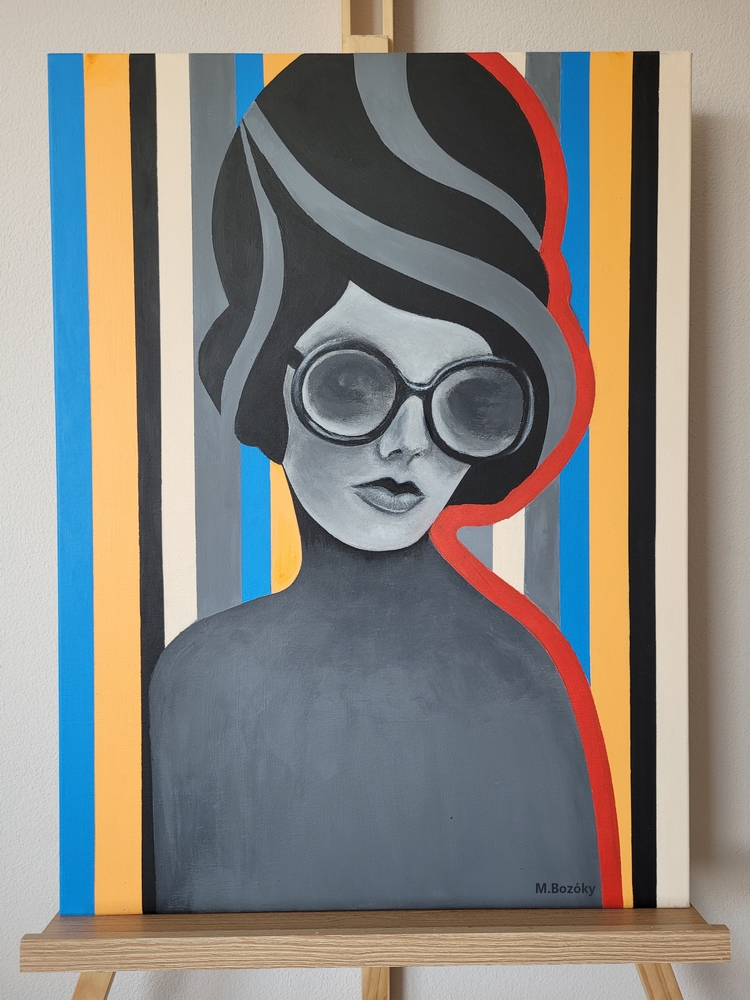
Dielo Stratená vo farbách predstavuje výrazný odklon od realisticko-expresívnej polohy, ktorú Martina Bozóky rozvíja v portrétoch ako Vášeň plná farieb či Sama v tme, smerom k syntetizovanej štylizácii s prvkami geometrickej abstrakcie a pop-artu.
Výtvarná redukcia objemu, plošné spracovanie tvarov a kontrastná farebná schéma tu naznačujú autorkin záujem o minimalizmus v modelácii a maximálnu vizuálnu silu prostredníctvom tvarovej a farebnej kompozície.
Formálne môžeme toto obdobie zaradiť do línie modernistických tendencií druhej polovice 20. storočia, kde sa portrét stáva ikonickým symbolom – vzdialeným od naturalistického zobrazenia, no stále uchovávajúcim rozpoznateľné ľudské črty.
Farebná paleta: Obraz je založený na striedaní monochromatickej škály šedej pre samotnú figúru a vysoko kontrastných, čistých, nemiešaných farieb (žltá, modrá, červená, čierna, biela) v pozadí. Tento prístup vytvára ostrú hranicu medzi postavou a prostredím.
Technika: Použitý je akryl, ktorý umožňuje presné línie a plošnú farebnú výplň bez viditeľnej štruktúry štetca, čím sa dielo približuje estetike grafického dizajnu alebo sieťotlače.
Modelácia: Na rozdiel od predchádzajúcich diel autorky je tu objem figúry potlačený – svetlo a tieň sú naznačené len jemne, bez snahy o realistickú hĺbku.
Líniová práca: Čierna a červená línia lemujúca časť hlavy a tela má dvojitú funkciu – oddeluje figúru od pozadia a zároveň pôsobí ako vizuálny akcent, ktorý dodáva kompozícii rytmus a dynamiku.
Kompozícia je vertikálna a silne symetrická, pričom postava je umiestnená centricky.
Pozadie tvorí séria vertikálnych farebných pásov, ktoré vytvárajú optickú osciláciu medzi figúrou a priestorom. Tento efekt môže v divákovi vyvolať pocit jemného vizuálneho vibrovania, čím sa napĺňa koncept „stratenia sa vo farbách“ – hranica medzi subjektom a prostredím sa stiera.
Oči zakryté okrúhlymi okuliarmi, orientované mierne nadol, bránia priamej interakcii s divákom, čím sa ešte viac prehlbuje pocit odcudzenia a introspekcie.
Dielo pôsobí ako štúdia osamelosti v estetickom prebytku.
Postava – v odtieňoch sivej, bez farebného života, môže symbolizovať vnútornú neutralitu alebo emočnú utlmenosť.
Pozadie – živé farby v geometrickej presnosti môžu predstavovať vonkajší svet, ktorý je síce vizuálne bohatý, no zároveň od subjektu vzdialený a nepreniknuteľný.
Okuliare – ako bariéra medzi subjektom a divákom, odkazujú na zadržanú identitu, anonymitu alebo odmietnutie priamej konfrontácie.
V psychologickej rovine môžeme obraz interpretovať ako vizuálnu metaforu pre pocit, keď človek stojí uprostred pulzujúceho, farebného a hlučného sveta, no vnútorné prežívanie ostáva statické a bezfarebné.
Filozoficky možno dielo chápať ako konfrontáciu medzi esenciou bytia a vonkajšou percepciou.
Farby v pozadí predstavujú fenomenologický svet – javovú stránku reality, zatiaľ čo šedá figúra odkazuje na noumenálnu podstatu (v Kantovom ponímaní) – skrytú, neviditeľnú pravdu subjektu, ktorú nemožno zachytiť iba zmyslami.
Červená línia môže byť chápaná ako energia alebo stopa individuality, ktorá napriek uniformite a utlmeniu stále presvitá. Tento prvok je z filozofického hľadiska kľúčový – hovorí o tom, že aj v prostredí, ktoré nás pohlcuje, si subjekt zachováva zvyšky autentickej identity.
Na rozdiel od expresívnej maliarskej štruktúry vo Vášeň plná farieb alebo od dramatického psychologického napätia v Sama v tme, toto dielo je najviac konceptuálne a graficky čisté.
Jeho sila tkvie v vizuálnej redukcii, ktorá umožňuje divákovi sústrediť sa na vzťah medzi farbou a formou, medzi figuráciou a abstrakciou.
Význam pre kolekciu: Dielo funguje ako kontrapunkt k ostatným obrazom série, rozširuje autorkin jazyk o oblasť, kde sa prelína maliarstvo s dizajnom a modernistickou estetikou.
Potenciál ďalšieho rozvoja: Prehĺbenie práce s interakciou medzi figurálnym motívom a abstraktnou kompozíciou by mohlo viesť k ešte silnejšiemu naratívnemu účinku.
Vyjadrenie renomovaného umelca Didiera Le Mara k tvorbe a umeleckému rastu Martiny Bozóky
Ako umelecký mentor som mal možnosť sprevádzať Martinu Bozóky na jej umeleckej ceste počas súkromných výtvarných hodín v BEAUTIFUL ART gallery. Od prvých stretnutí bolo zrejmé, že k tvorbe pristupuje s mimoriadnou svedomitosťou, trpezlivosťou a vnútorným odhodlaním. Jej pracovná disciplína a otvorenosť novým podnetom sú vzácnymi kvalitami, ktoré v procese umeleckého rastu tvoria pevný základ.
Osobitne si cením jej portrétové práce, v ktorých dokáže citlivo prepojiť technickú precíznosť s psychologickou hĺbkou zobrazenia. V jej dielach je prítomná schopnosť empaticky preniknúť do vnútorného sveta zobrazovanej postavy, pričom formálne riešenie vždy zostáva premyslené a kompozične vyvážené.
S úctou sledujem jej vývoj od prvotných štúdií až po súčasnú fázu, kde sa jej maliarsky rukopis stáva čoraz zreteľnejším a výtvarná reč nadobúda osobitý charakter. Jej progres v oblasti farebnej kultúry, práce so štruktúrou a schopnosti vyjadriť emóciu prostredníctvom výtvarného média je výsledkom systematickej práce a neochvejného záujmu o hlbšie poznanie maliarskej tvorby.
Som na Martinu Bozóky úprimne hrdý. Jej cesta je dôkazom, že poctivá práca, neustále vzdelávanie a otvorená myseľ vedú k umeleckej integrite a k tvorbe, ktorá má schopnosť oslovovať nielen esteticky, ale aj obsahovo a emocionálne.
Didier Le Mar ©
Exkluzívne výtvarné kurzy od BEAUTIFUL ART gallery
Pod vedením etablovaného umelca Didiera Le Mara ponúkame vysokokvalitné výtvarné kurzy, ktoré sú prispôsobené individuálnym potrebám a umeleckému smerovaniu každého účastníka.
Kompletné poradenstvo a odporúčanie najvhodnejšieho individuálneho kurzu.
Pre viac informácií nás kontaktujte správou na:
Si umelec alebo umelkyňa s jedinečnou tvorbou, no hľadáš cestu k väčšej publicite?
Predstav svoju tvorbu svetu! Napíš nám na
Autor článku: ARTTEO magazín Copyright © 2025 / Všetky práva vyhradené
