Aké máš pocity z tvojej aktuálnej tvorby?
Moje pocity sú v súčasnosti veľmi rôznorodé. Čo sa týka mojej tvorby, je to super a veľmi fascinujúce, až nepochopiteľné. Za tých pár rokov, počas ktorých intenzívne spolupracujem s BEAUTIFUL ART gallery som sa neskutočným tempom posúvala vpred a hlavne za to by som chcela veľmi krásne poďakovať. Trávim veľké množstvo času pri mojich obrazoch a dávam do nich všetky moje precítenia farieb, hudby a hlavne moje emócie. Moje diela sú obrazom toho, čo milujem a toho, čo chcem svojou tvorbou ukázať.
Tvoja tvorba je zameraná na Švajčiarske a Slovenské krajinky, vieš nám k tomu povedať niečo bližšie?
Ďakujem za túto otázku. Moja aktuálna tvorba je stále o krajinkách a o hradoch. Sú to miesta, ktoré rada navštevujem a rada spoznávam. Milujem cestovanie. Mám to šťastie, že pri mojej práci môžem aj čiastočne cestovať. Jednoznačne mi to dodáva veľa nového elánu a energie. Pri svojich cestách veľa fotografujem a v poslednom čase som už napísala aj pár e-bookov o švajčiarskych hradoch, ktoré sú na mojej webovej stránke. Skúmam históriu a zároveň spoznávam mnohé krásne a časom nedotknuté miesta. Rada sa prechádzam po hradoch, obzerám si rôzne artefakty v múzeách a premýšľam nad časmi, v ktorých vznikli. Niekedy mám pocit, že tam patrím a že som sa zasekla niekde v tejto dobe v nesprávnom čase. Preto sa rada po hradoch prechádzam. Je tam taký pokoj, pohoda a mier. Len tam sama sedieť a vychutnávať si to ticho, prostredie a panorámy dookola.
Rada aj pod hradbami posedávam a kreslím rôzne hrady, zámky, kaštiele, ale aj rôzne iné budovy, či výjavy z histórie.
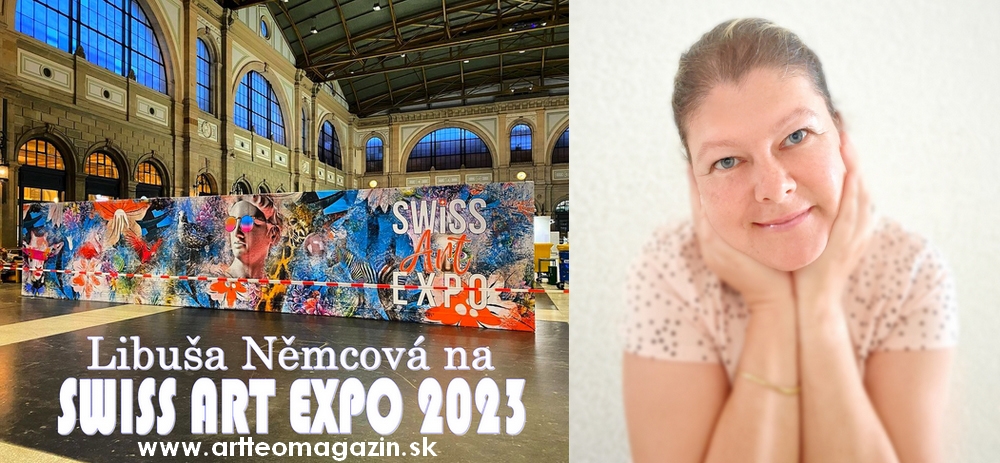
Tvoje diela boli vystavené na Swiss Art Expo, zdôveríš sa čitateľom o aké diela sa jedná?
Mala som možnosť vybrať 2 moje diela, ktoré boli vystavené na Swiss Art Expo v dňoch 6.9-10.9.2023, Hauptbahnhof Zurich, Švajčiarsko. Bolo to pre mňa veľmi zložité rozhodnutie. Mám niektoré obľúbené obrazy z novej tvorby, ale mám aj obrazy zo staršej tvorby, ktoré sú s témou Švajčiarska a sú môjmu srdcu taktiež veľmi blízke. Takže po dlhšom meditovaní a premýšľaní som sa rozhodla pre 2 obrazy na Swiss Art Expo: 1. Stockalpenschloss, Brig, CH a obraz 2. Matterhorn od Zermattu, CH, ktorý je moja srdcovka.
Akým médiom si diela maľovala a ako dlho ti to trvalo?
Médium, ktoré som použila a momentálne stále s ním pracujem je olej a olejomaľba. Obraz Matterhorn od Zermattu, Ch som maľovala približne 5 mesiacov, ale bola to pre mňa veľká výzva. Bol to prvý obraz veľkých rozmerov, kde som sa aj učila nové ťahy štetcom a mnoho iného. Obraz Stockalpenschloss, Brig Ch som maľovala asi 3 mesiace, ale tento obraz bol maľovaný úplne inou technikou.
Priblížiš nám tvoju účasť na Swiss Art Expo a tvoje pocity? Ako si vnímala samotnú výstavu a tvoju účasť na nej?
Moja účasť na Swiss Art Expo bola plánovaná. Chcela som vedieť, ako to všetko prebieha, kde budú vystavené moje obrazy, aké svetlo majú, akú pozíciu na celom výstavisku. Výstavisko som našla hneď, pretože sa nachádzalo priamo vo vstupnej hale na Hauptbhnhof, Zurich, Ch. Tieto výstavy navštívi v čase otváracích hodín neuveriteľné množstvo ľudí. Predpokladá sa denne okolo 80.000 ľudí, ktorí prejdú výstavnou halou. Je to zážitok na celý život. Prezerala som si vystavené obrazy s veľkým rešpektom. Na tomto výstavisku, alebo celkovo v Swiss Art Expo vystavujú hlavne známi umelci zo Švajčiarska a z celého sveta. Som nesmierne šťastná, že som sa do tejto komunity zahraničných umelcov po odsúhlasení kurátormi dostala. Na samotnom výstavisku som strávila približne 6-7 hodín. Je tam čo pozerať. Sú tam vystavené mnohé diela ako obrazy, sochy, šperky a konajú sa tam rôzne workshopy. Ďalej tam tvoria aj umelci rôzne diela osobne. Je tam komunita ľudí, ktorí sú platení za ochranu diel, organizátori, predajcovia, novinári a rôzny pomocný personál, ktorý vás naviguje. Celá výstava sa potom v posledný večer uzatvára veľkou After party, na ktorú je možné si kúpiť lístok a zoznamovať sa s autormi, kurátormi a vystavujúcimi..

Spoliehala si sa na vopred pripravenú myšlienku, alebo si pracovala spontánne na základe pocitu, alebo zážitku z miest, ktoré si navštívila ako turistka?
Som turistka a cestovateľka a preto sú témami mojich obrazov hlavne miesta, ktoré som sama navštívila a niečím na mňa vnútorne zapôsobili. Aj v tomto prípade som obidve miesta navštívila. Obraz Stockalpenschloss, Brig, Ch ( zámok -továreň ) je jedno úžasné miesto - mesto Brig vo Švajčiarsku, ktoré leží v údolí pod Alpami. Prešla som si týmto historickým mestom, ale pôvodne som tam zámok ani nenašla, pretože zámok leží trošku ďalej vedľa mesta. Nie je to zámok ako iné, tento zámok vybudoval jeden bohatý muž, aby tam spojazdnil fabriku na výrobu hodvábu. Bola dlho v súkromnom vlastníctve tejto rodiny a kvôli sporom o majetky ho neskôr aj poslali do vyhnanstva. Obraz Matterhorn od Zermattu vznikol na základe mojej veľkej vášne k prírode a horám. Výlet na toto miesto bol pre mňa nezabudnuteľným zážitkom. Nachádzajú sa tu prekrásne panorámy Álp s ľadovcami dookola a všetkou tou zeleňou. Toto miesto som mala vysnívané navštíviť už ako dieťa. Keď sa mi to podarilo, bolo to ako znovu sa nadýchnuť a pustiť všetko von.... Všetká tá sila hôr Vás vtiahne a vy sa vznášate a kocháte tou krásou...
Akú paletu farieb používaš pre rok 2023 ? Prípadne aká je tvoja obľúbená kombinácia farieb?
Momentálne je mojou obľúbenou kombináciou farieb zelená, zelenožltá a všetky jej odtiene.
Všimli sme si, že v nových dielach zachytávaš architektúru. Môžeme v nových dielach očakávať, že bude architektúra hlavným námetom?
Áno, v nových dielach taktiež bude mojim hlavným námetom história a okolitá príroda. Budem sa ale hlavne zameriavať na Slovenské historické miesta. Možno hrady, kaštiele, zámky, kostoly, skanzeny, či rôzne malé dedinky a ich architektúru. Aj momentálne pracujem na novom obraze s témou Slovenskej histórie.
Vieme o tebe, že inšpiráciu čerpáš z turizmu. Ktoré miesta ťa ešte lákajú precestovať a namaľovať?
V minulosti na veľmi lákalo Írsko. Táto krajina mi učarovala rôznymi prírodnými rezerváciami. V Írsku sa nachádzajú aj množstvá krásnych historických hradov. Ďalšia krajina v Európe, ktorá ma priťahuje je Francúzsko a je to tiež z dôvodu historických hradov. Francúzsko som už aj čiastočne autom precestovala, ale nemala som čas sa tam zastaviť. Poznám skôr vyhliadkové trasy, ako Hartmanswillerkopf, či rue de Ballon. Ďalšou pre mňa veľmi inšpiratívnou krajinou, ktorú by som rada namaľovala je Japonsko. Ich prekrásna príroda, architektúra, štýl života a kultúra sú pre mňa veľmi podnetné.
Táto otázka bude venovaná viacmenej tvojej duši, ktorý element považuješ vo svojom živote ako dominantný? Vodu, oheň, vzduch, alebo zem?
Pre mňa jednoznačne voda. Voda má super uzemňujúce účinky. Som človek, ktorý veľa sníva a lieta, preto aj potrebujem niekoho, kto ma občas územní. A taký človek pri mne aj stojí.
Aké máš ďalšie plány v tvorbe?
Tento a budúci rok sa plánujem zameriavať hlavne na tvorbu so Slovenskou tématikou. Je ale možné, ako sa poznám, že ako oddych medzi obrazmi si namaľujem niečo, čo ma v danej tvorivej chvíľke napadne.
Čo považuješ tento rok za najväčší úspech?
Jednoznačne je to účasť na Swiss Art Expo a možnosť mesačne vystavovať 3 obrazy v galériách v rôznych štátoch po svete..
Ako pokračujú tvoje e-booky? Tvoríš niečo nové v tejto oblasti?
Stále niečo fotím a pridávam do svojho archívu. Určite sa v blízkej budúcnosti môžete tešiť na nové e-booky s tématikou Švajčiarskych hradov.
Dlhodobo spolupracuješ s BEAUTIFUL ART gallery, ako si spokojná z dlhodobého hľadiska?
S BEAUTIFUL ART gallery dlhodobo spolupracujeme a som nesmierne šťastná, kam sa táto spolupráca časom dostala. Som veľmi poctená a nadšená, ako všetko vždy fungovalo na veľmi vysokej profesionálnej úrovni. Ako sa hovorí, ak tvrdo pracuješ, výsledok sa vždy dostaví. Ja som človek, ktorý čo povie, to aj dodrží a nemíňam svoj drahocenný čas na hlúposti a nepodstatné veci. Pretože ČAS je najdôležitejšia vec vo vašom živote.....