
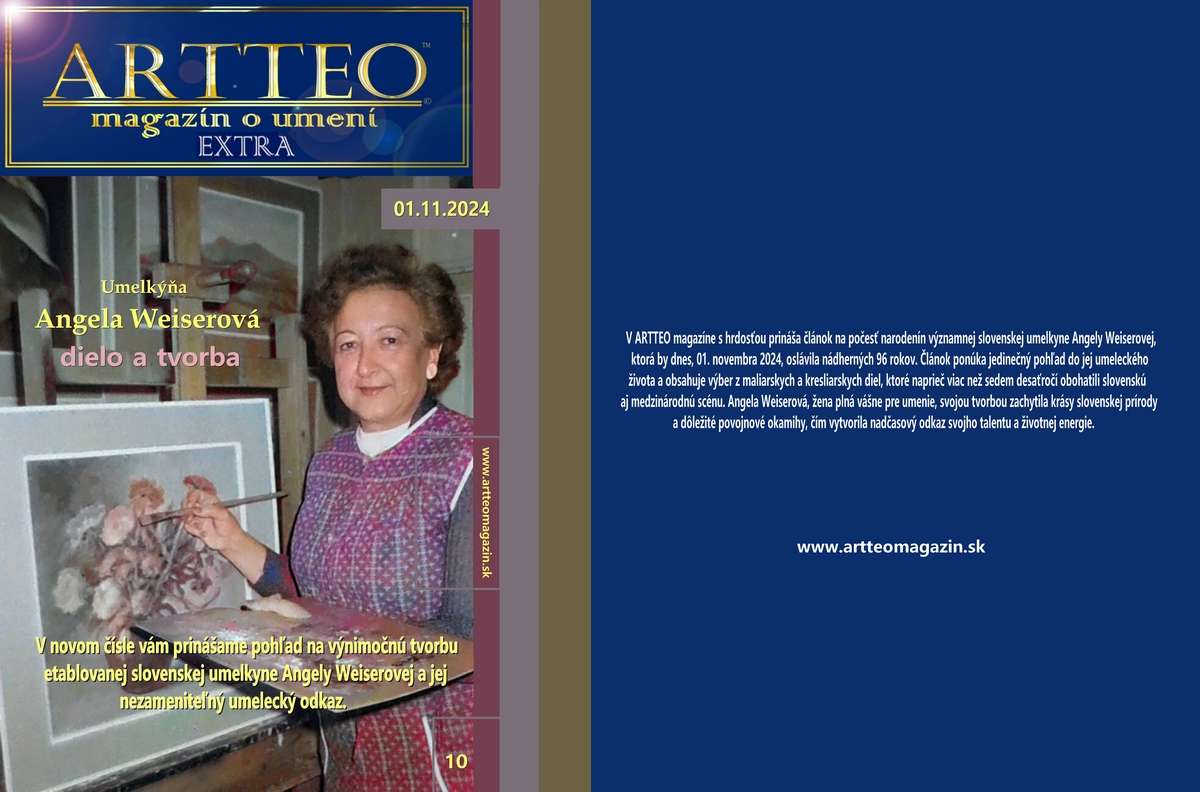
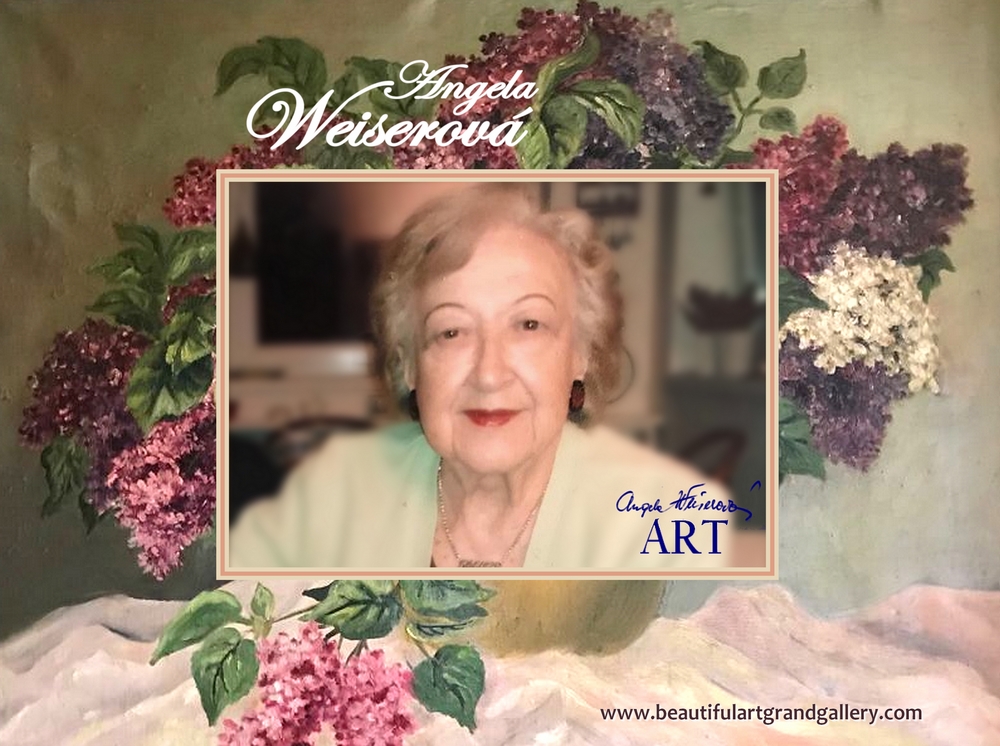
Významná slovenská umelkyňa Angela Weiserová predstavuje komplexnú umeleckú osobnosť, ktorej tvorba obohatila slovenskú výtvarnú scénu o výrazný a lyrický výraz. Jej životopis mapuje prechod cez mnohé štýlové a historické etapy, pričom každý dotyk štetca nesie hlboké psychologické ponorenie do skúmaných subjektov a krajín, ktoré odrážajú nielen krásu a dynamiku prírody, ale aj vnútorné napätie a emocionálne rozvrstvenie človeka. ARTTEO magazín teraz predkladá zasvätený prehľad jej tvorby, ktorý zachytáva úctyhodné obdobie siedmich desaťročí nepretržitého umeleckého rastu a inovácie.
Umelkyňa Angela Weiserová (*1. november 1928, Rožňava – †5. november 2021, Košice) vyštudovala u významných mentorov, akými boli Ľudovít Feld, Tibor Gáll, Ľudovít Eckert a Štefan Roskoványi – predstavitelia slovenského a československého umeleckého modernizmu. Ľudovit Feld, uznávaný košický maliar, bol známy pre svoje psychologicky prenikavé portréty a precíznosť kresby, ktoré Angele Weiserovej pomohli prehĺbiť zmysel pre detailnú introspektívu postáv. Tibor Gáll, známy maďarský maliar a grafický umelec, a Štefan Roskoványi, majster plenérovej krajiny, zase formovali jej schopnosť zachytiť atmosféru krajiny a svetelné prechody, čím doplnili jej výtvarný prejav o bohatú paletu techník a vnemov.
V rámci slovenského výtvarného umenia patrí Angela Weiserová k popredným osobnostiam, ktorej tvorba je prepojením realistickej a impresionistickej estetiky. S hlbokým emocionálnym vhľadom zachytávala nielen povojnovú spoločenskú realitu, ale najmä slovenskú krajinu v jej poetickej transformácii, plnú impresií a symbolických vrstiev. Angely Weiserovej štýl sa vyznačuje subtílnym psychologizmom, pričom sa sústredila na životný príbeh portrétovaných osôb, kde kládla dôraz na empatické zachytenie ich vnútorného sveta. Tento prístup vyústil do diel, ktoré v sebe nesú lyrický výraz a dramatickú štruktúru, pričom štýlovo oscilujú medzi naturalistickým realizmom a impresionistickou náladovosťou.
Angela Weiserová študovala a pôsobila ako spolu zakladateľka a členka KVA - PALETA od roku 1959, členka Klubu priateľov výtv. umenia v Bratislave, študovala na AVU v Prahe, ďalej 4r. diaľk. škol. výtvarnej výchovy pre pokročilých výtvarníkov pri osvetovom úst. v Bratislave, 2r. štúdium výtv. výchovy pri Krajskom osvetovom dome v Košiciach, od 1956 do 1963 úspešne ukončila 7 ročné súkromné štúdium hry na klavír. Počas aktivného umeleckého života mala za sebou desiatky autorských a spoločných výstav. Spomenieme malú časť výstav, na ktorých zožala veľký spoločenský úspech na Slovensku aj v zahraničí. Bola dlhoročná členka komisie v kultúre a výtvarníctve pre osvetové stredisko mesta Košice.
Ako aktívna zberateľka umenia, ako aj kurátorka, zanechala výrazný odkaz nielen ako maliarka, ale aj ako podporovateľka umeleckého dedičstva. Jej diela dodnes fascinujú pre ich psychologickú čitateľnosť a farebnú harmóniu, kde sa prelína vnútorná dynamika a emocionálny náboj s čistotou umeleckého prejavu.
Tvorba Angely Weiserovej zostáva symbolom neúnavného hľadania pravdy o človeku a prírode, v ktorých je jej odkaz nezmazateľne zachytený ako úcta k autentickému ľudskému prežívaniu a k majestátu slovenskej krajiny.
Najvädšiu dochovanú zbierku výtvarných diel umelkyne Angely Weiserovej a artefaktov z ateliéru či života vlastní a vystavuje vo svojej stálej expozícii BEAUTIFUL ART gallery.
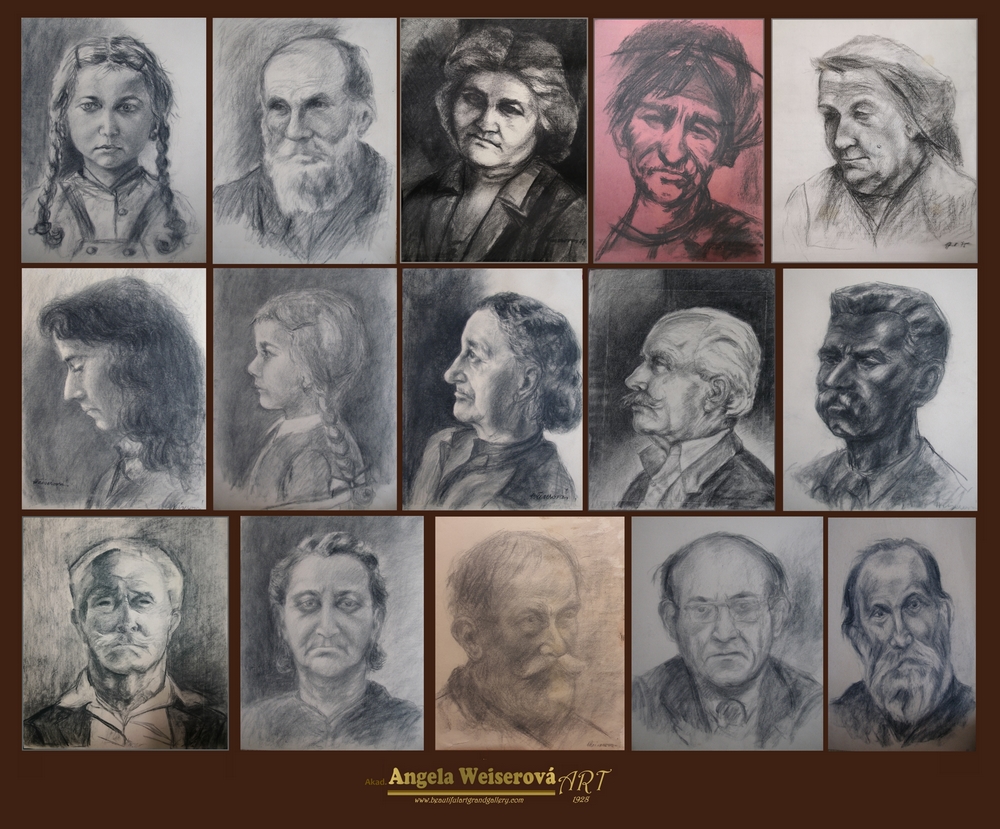
Angela Weiserová svojím portrétnym rukopisom a technickou zručnosťou evokuje psychologický rozmer, ktorý je udivujúco podobný dielam takých majstrov, ako boli Käthe Kollwitz a Lucian Freud. Angele Weiserovej diela, podobne ako u týchto umelcov, nie sú iba formálnymi štúdiami fyzickej podoby, ale hlbokými sondami do vnútorného sveta portrétovaných. V jej kresbách sa spája istota línie s jemnosťou tónov, ktoré dávajú postavám hĺbku a plastickosť bez toho, aby boli ohrozené emocionálne nuansy či psychologická váha každého portrétu.
Technika Angely Weiserovej je vystavaná na dynamickej práci so svetlom a tieňom, kde používa jemné gradácie tónov a intenzívne linky na vytvorenie osobitného kontrastu. Tento prístup pripomína Kollwitzovej schopnosť vyjadriť utrpenie, ľudskosť a dôstojnosť aj v tých najtvrdších podmienkach. V oboch prípadoch je viditeľná schopnosť vycítiť a sprostredkovať existenciálnu ťažobu portrétovaného subjektu. Angela Weiserová pritom nenasleduje čisto naturalistickú cestu; práve naopak, jej rukopisný štýl obsahuje prvky jemného expresionizmu, ktoré jej umožňujú odkryť psychologickú podstatu bez nutnosti detailného vykreslenia všetkých fyzických aspektov.
Angely Weiserovej rukopis taktiež odráža gestickú voľnosť a hĺbkový prístup k psychologickému prejavu, aký vidíme u Luciana Freuda. Freud bol známy tým, že do svojich portrétov vkladal výraznú psychologickú hĺbku a surovosť, pričom detailne pracoval s realistickým zobrazením a zachytením vnútorného sveta modelov. Podobne aj Angela Weiserová využíva linku a tón ako nástroje na zachytenie duševného rozporu a osobného príbehu subjektov. Zatiaľ čo Freud sa často sústreďoval na intenzívne detailné zobrazenie fyzickej podoby, Angela Weiserová kombinuje realistický prístup s jemným impresionistickým nádychom, ktorý dodáva jej dielam filozofickú dimenziu a pocit ľudskej zraniteľnosti.
V jej tvorbe sa objavuje schopnosť využiť výtvarné prostriedky na psychologickú introspekciu, pričom neostáva iba pri povrchových dojmoch. Jej portréty majú zvláštny náboj; Angela Weiserová totiž zvláda zachytiť nielen výrazy tvárí, ale i emocionálnu atmosféru, ktorá obklopuje portrétovanú osobu. Tento prístup ju zaraďuje do línie európskych portrétistov, ktorí používali výtvarný jazyk ako médium pre hlbšie psychologické skúmanie, čím sa dotýkali tém existenciálnej povahy človeka, obdobne ako Kollwitz a Freud.
Angela Weiserová sa tak profiluje nielen ako technicky zručná portrétistka, ale ako umelkyňa, ktorá do svojich diel vkladá intímny pohľad do duše človeka a nekompromisne odhaľuje jeho krehkosť, silu a hĺbku existencie.
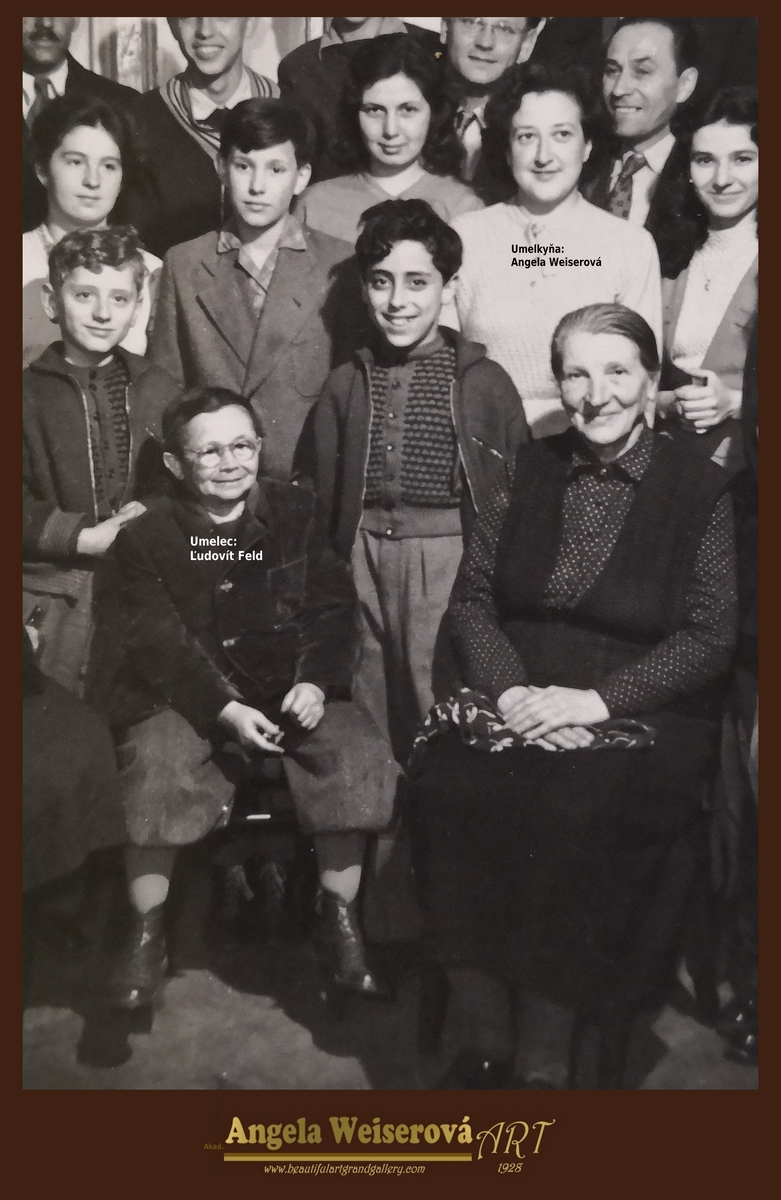
Na prvej fotografii vidíme mladú Angelu Weiserovú obklopenú spolužiakmi a svojím učiteľom Ľudovítom Feldom, ktorý sedí naľavo dole. Tento drobný, ale výrazný muž vyžaruje múdrosť a dôstojnosť, ktoré sú príznačné pre jeho postavu a rolu v umeleckej komunite. Feld, napriek svojej skromnej telesnej výške, pôsobil ako veľká inšpirácia a opora pre Angelu Weiserovú a ďalších študentov. Jeho prítomnosť na tejto fotografii symbolizuje pevný základ, ktorý poskytoval svojim žiakom, a jeho vplyv na Angely Weiserovej umelecký vývoj je neodmysliteľný. Fotografia vyžaruje atmosféru spoločného tvorivého a vzdelávacieho prostredia, kde sa Angela formovala pod vedením svojho uznávaného učiteľa.
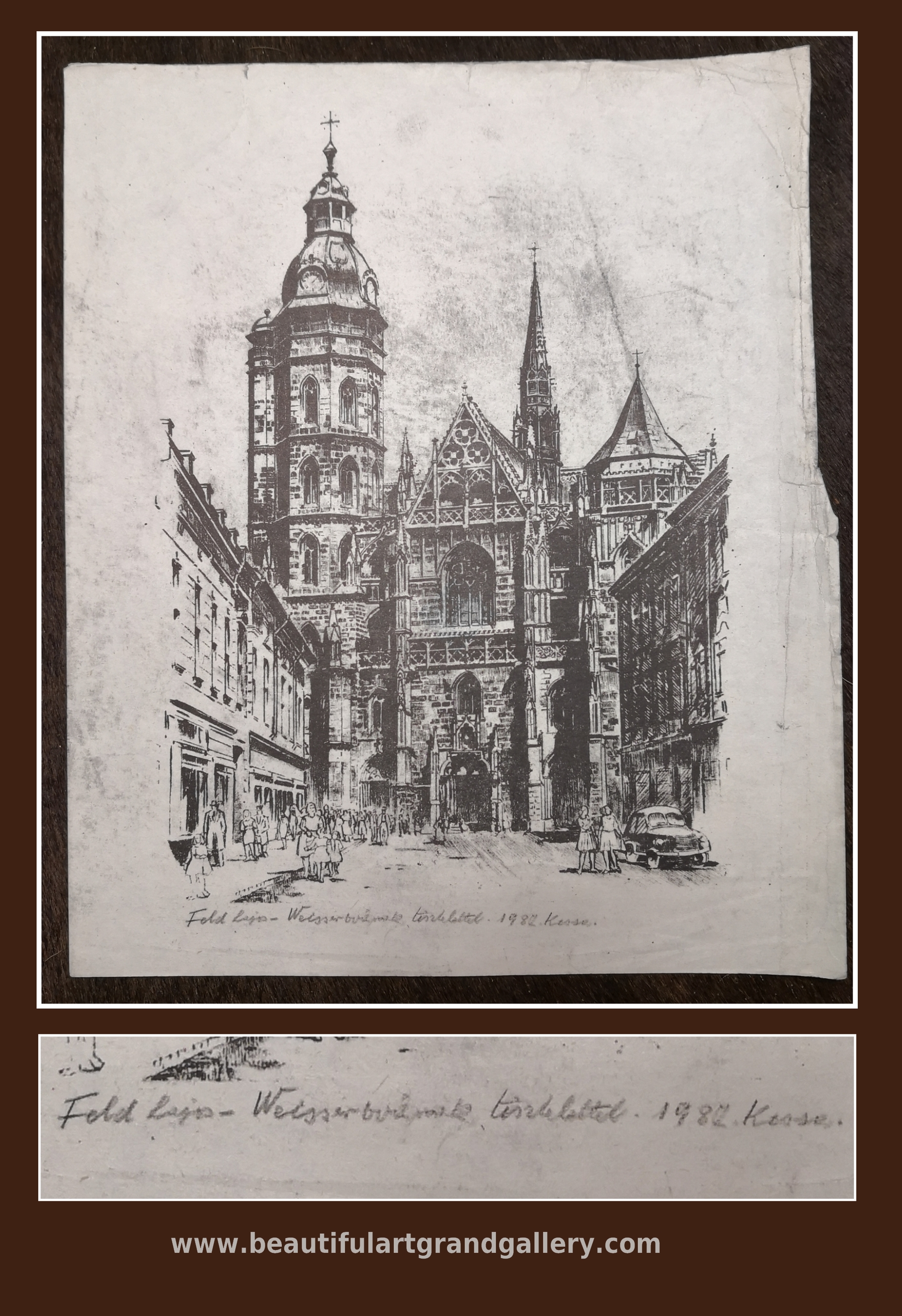
Na druhej fotografii je litografia gotickej Dómu sv. Alžbety v Košiciach od Ľudovíta Felda. Detailne prepracovaný obraz ukazuje Feldovu precíznosť a schopnosť zachytiť krásu historickej architektúry. Venovanie „Angele Weiserovej s láskou“ na dolnej časti kresby pridáva dielu osobitný, hlboko emotívny význam. Toto dielo nie je len umeleckým vyjadrením, ale aj symbolom úcty a vzťahu medzi učiteľom a jeho žiačkou, ktorý pretrval aj po ich spoločných rokoch štúdia.
Ľudovít Feld (1904–1991) bol významný slovenský maliar a grafik židovského pôvodu, ktorý pochádzal z Košíc. Patrí medzi výrazné osobnosti slovenského výtvarného umenia, najmä v oblasti kresby, grafiky a portrétnej tvorby. Napriek svojmu malému vzrastu, spôsobenému genetickým ochorením (achondroplázia), dosiahol veľké umelecké úspechy a stal sa rešpektovaným pedagógom. Feld prežil hrôzy holokaustu, počas ktorého bol deportovaný do koncentračného tábora v Osvienčime, no jeho výnimočné kresliarske schopnosti ho paradoxne zachránili, keďže bol prinútený kresliť pre nacistických dôstojníkov.
Po vojne sa vrátil do Košíc, kde sa venoval pedagogickej činnosti a stal sa učiteľom mnohých talentovaných umelcov, vrátane Angely Weiserovej. Jeho pedagogický štýl bol založený na trpezlivosti, precíznosti a podpore individuálneho rozvoja každého žiaka. Feld bol známy svojou schopnosťou zachytiť realistické detaily a psychologickú hĺbku portrétovaných osôb, čo sa odrazilo aj v tvorbe jeho žiakov.
Feldove diela sú dnes vysoko cenené pre ich realistickú precíznosť a emocionálnu silu, a jeho odkaz zostáva pevne zakorenený v slovenskom výtvarnom dedičstve. Jeho život a tvorba sú dôkazom, že umenie môže prekonať aj tie najťažšie životné okolnosti a prinášať hlboké humanistické posolstvo.
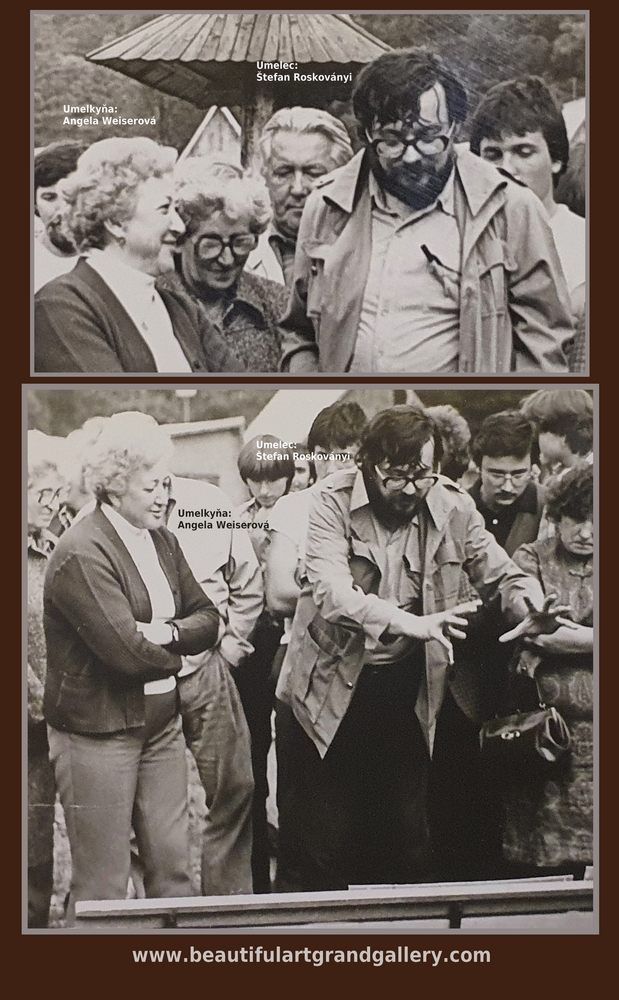
Na týchto dvoch čiernobielych fotografiách je zachytená dynamická scéna z plenéru, kde umelec Štefan Roskoványi s vášňou vysvetľuje svoje tvorivé postupy skupine pozorných poslucháčov. Angela Weiserová, stojaca po jeho boku, sleduje jeho gestikuláciu s výrazom záujmu a sústredenia, čo odráža jej oddanosť k umeniu a ochotu načúvať a učiť sa od kolegov.
Štefana Roskoványiho energické gestá a zapálený pohľad poukazujú na jeho entuziazmus pre výtvarné umenie a hlboké pochopenie jeho procesu. Angela Weiserová, obklopená kolegami a ďalšími účastníkmi plenéru, pôsobí ako osobnosť, ktorá do tejto atmosféry prináša pokoj a vnútorný záujem, čím vyniká jej úloha umelkyne, ktorá sa neustále zdokonaľuje a učí.
Tieto fotografie zachytávajú vzácne momenty interakcie medzi dvoma výtvarnými umelcami, ktorí si navzájom odovzdávajú skúsenosti a inšpiráciu. Sú svedectvom o živej umeleckej komunite, kde každý člen, či už mentor alebo žiak, prispieva k celkovej atmosfére tvorby, vzdelávania a vzájomného obohacovania.
Štefan Roskoványi bol slovenský maliar a grafik, známy svojou oddanosťou k výtvarnému umeniu, najmä krajinomaľbe a grafickým technikám. Narodil sa 2. januára 1939 v Sládkovičove a svojou tvorbou a pedagogickou činnosťou významne prispel k slovenskej výtvarnej scéne. Venoval sa nielen maľbe a kresbe, ale aj grafike, kde experimentoval s rôznymi technikami a materiálmi.
Jeho práca bola charakteristická živým prejavom, pričom sa často inšpiroval prírodou a prostredím vidieka. Bol známy ako umelec, ktorý zachytával krásu krajiny v jej rôznych podobách – od harmonických prírodných scenérií po živú dynamiku ľudského života na vidieku.
Okrem svojej umeleckej činnosti pôsobil aj ako pedagóg, kde sa delil o svoje skúsenosti a vášeň pre umenie s mladšími generáciami. Bol známy svojim charizmatickým prístupom k vyučovaniu a nadšením, ktoré dokázal preniesť na svojich študentov, pričom plenéry, ako tie zachytené na vašich fotografiách, boli jeho spôsobom, ako priblížiť umenie priamo v prírode, kde sa umelecké vnímanie prostredia a prítomnosti stávalo intenzívnejším.
Roskoványiho dielo je významným príspevkom do slovenského umenia, kde zostáva uznávaným pre svoj osobitý štýl a prínos k umeleckému vzdelávaniu na Slovensku.
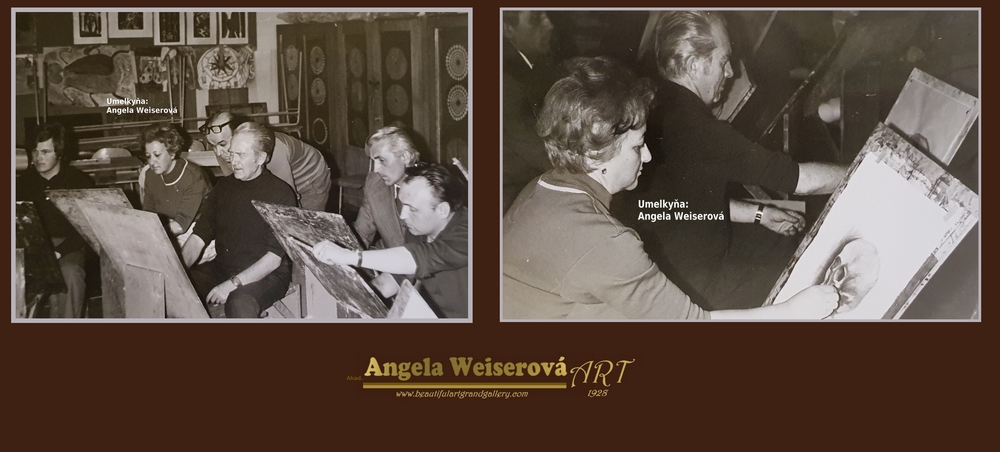
Tieto fotografie zachytávajú umelkyňu Angelu Weiserovú v procese tvorby, ponorenú do jedinečného sveta jej umeleckého prejavu. Prvý záber zobrazuje Angelu Weiserovú v spoločnosti ďalších umelcov, sústredených na svoje diela, pričom atmosféra naznačuje umeleckú skupinovú výučbu pod odborným vedením. Angela Weiserová sedí uprostred, odetá v elegantnom odeve, ktorý zdôrazňuje jej jemný a kultivovaný prejav, zatiaľ čo pracuje s výrazom sústredenia a odhodlania. Obraz na stenách štúdia, kde sú rozmiestnené diela a umelecké nástroje, vytvára pocit autenticity umeleckého prostredia.
Na druhom zábere vidíme detail Angely Weiserovej ruky v procese kresby. Výraz jej tváre a spôsob, akým drží uhlík, poukazuje na vysokú mieru koncentrácie a jej neobyčajný cit pre jemnosť a presnosť v práci s detailmi. Tento moment výstižne zachytáva intímnu fázu umeleckého tvorenia, kde sa v tichu umeleckého štúdia rodia nové diela, v ktorých Angele Weiserová stvárňuje nielen vizuálnu krásu, ale aj emocionálnu hĺbku.
Tieto fotografie sú cenným historickým záznamom procesu a prístupu Angely Weiserovej k tvorbe, odhaľujú jej oddanosť k umeniu a jej schopnosť sústrediť sa na každý detail – vlastnosti, ktoré definovali jej rukopis a urobili z nej jednu z významných osobností slovenského výtvarného umenia.

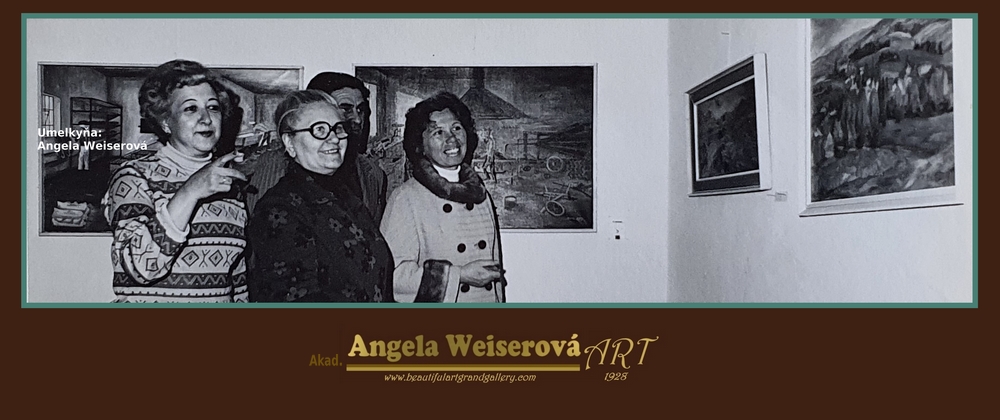
Tieto fotografie zachytávajú umelkyňu Angelu Weiserovú počas jej pôsobenia ako členky komisie v oblasti kultúry a výtvarného umenia. Každý záber odhaľuje iný aspekt jej profesionálneho a komunitného života, jej oddanosť kultúrnej sfére a aktívnu účasť na formovaní umeleckého prostredia.
Na prvej fotografii Angela Weiserová stojí v galérii a zameriava svoj pohľad na vystavené diela, no tentokrát ako členka komisie, ktorá hodnotí alebo diskutuje o umeleckých dielach vystavených na podujatí. Jej postoj a výraz tváre naznačujú hlbokú koncentráciu a záujem, čím demonštruje svoju angažovanosť v profesionálnej sfére.
Druhá fotografia ukazuje Angelu Weiserovú v spoločnosti ďalších členov komisie a osobností umeleckého života. Skupina spoločne hodnotí vystavené diela, čo podčiarkuje jej úlohu v odbornom posudzovaní a výbere umenia. Tento moment zachytáva jej prístup k spolupráci a otvorenosť k diskusii v rámci umeleckej komunity.
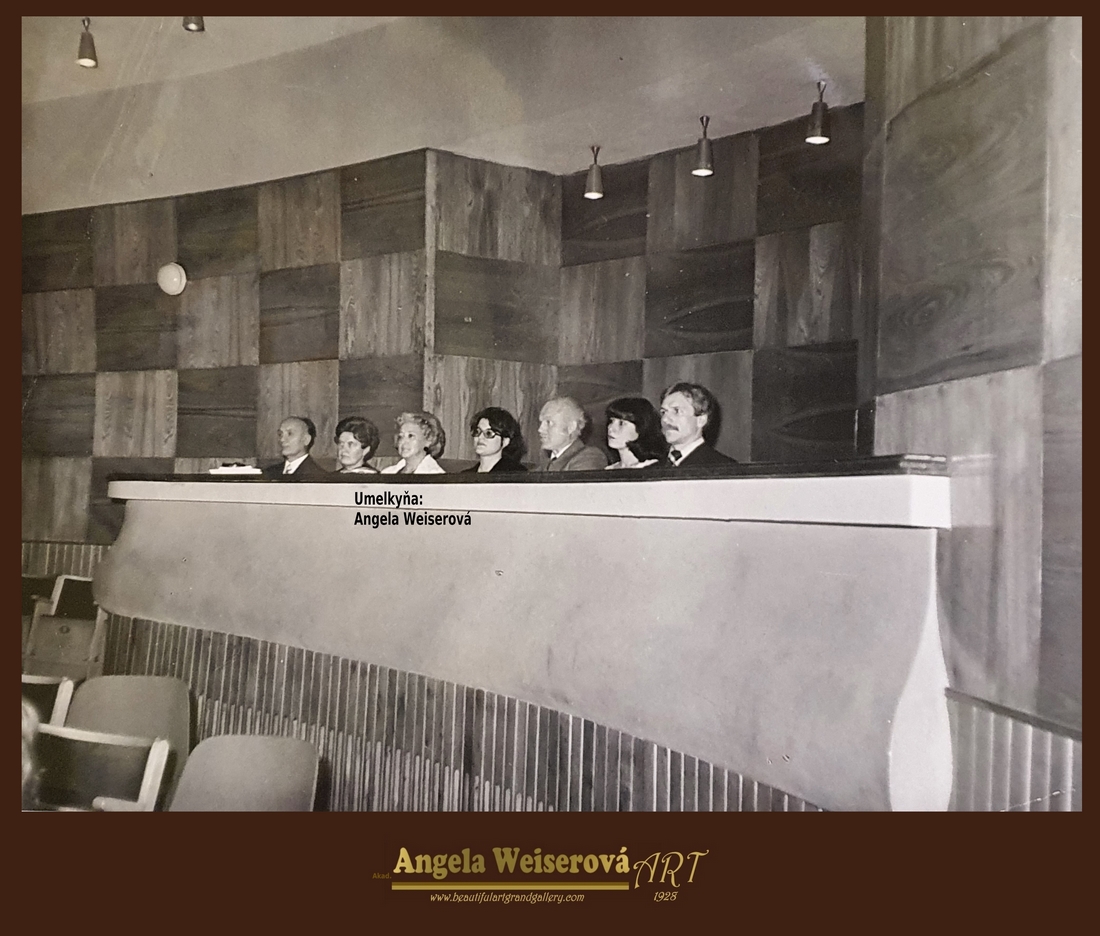
Na tretej fotografii Angela Weiserová sedí za dlhým stolom spolu s ďalšími členmi komisie, v formálnom prostredí, počas zasadania výtvarnej komisie Osvetového strediska mesta Košice. Tento záber odhaľuje jej pozíciu a úlohu vo formálnych rozhodovacích procesoch, kde jej názor prispieva k smerovaniu miestnej kultúry a podpore umeleckej sféry.
Štvrtá fotografia zobrazuje Angelu Weiserovú a jej kolegov na exteriérovom podujatí. Skupina stojí pri umeleckom prvku, a ich diskusia naznačuje aktívny prístup ku kritike a hodnoteniu umenia aj mimo tradičných galérií. Táto scéna vypovedá o jej záujme o rôznorodé umelecké formy a o jej schopnosti vnímať umenie v rôznych prostrediach.
Posledná fotografia ukazuje Angelu Weiserovú v diskusii s kolegami, kde spoločne hodnotia vystavené diela. Jej výraz tváre odhaľuje radosť z kolektívnej práce a spoločného hodnotenia umenia, čím vyniká jej kolegiálny a otvorený prístup.
Tieto fotografie dohromady predstavujú Angelu Weiserovú ako váženú odborníčku a angažovanú členku umeleckých komisií, ktorá svojím profesionálnym pohľadom a kritickým myslením prispela k rozvoju kultúrnej scény. Zábery odhaľujú jej oddanosť a seriózny prístup ku kultúrnym hodnotám, ktorými obohacovala slovenské výtvarné umenie a podieľala sa na jeho formovaní.

Táto historická fotografia z roku 1989 zachytáva umelkyňu Angelu Weiserovú ako spoluzakladateľku a členku Klubu výtvarných (KVA). Angela Weiserová, sediaca v strede prednej rady, pôsobí v kruhu svojich kolegov a priateľov z klubu. Oblečená v elegantný sveter s výrazným vzorom a klobúkom, vyžaruje pokoj a dôstojnosť, ktoré svedčia o jej postavení v slovenskej umeleckej komunite.
Okolo nej sú ďalší členovia KVA, ktorí spolu s ňou vytvárali kultúrne a umelecké hnutie tejto doby. Výrazy na tvárach členov klubu odhaľujú vážnosť a hrdosť na svoju účasť v KVA, a zároveň to poukazuje na blízke vzťahy a kolegiálnu atmosféru, ktorá bola pre tento klub typická.
Táto fotografia je významným svedectvom o Angely Weiserovej angažovanosti v podpore amatérskeho výtvarného umenia a jej odhodlaní budovať komunitu umelcov na Slovensku. Svojím príkladom a aktívnym pôsobením v KVA ovplyvnila mnohých členov a zanechala po sebe výrazný odkaz, ktorý presahuje jej osobné umelecké dielo.
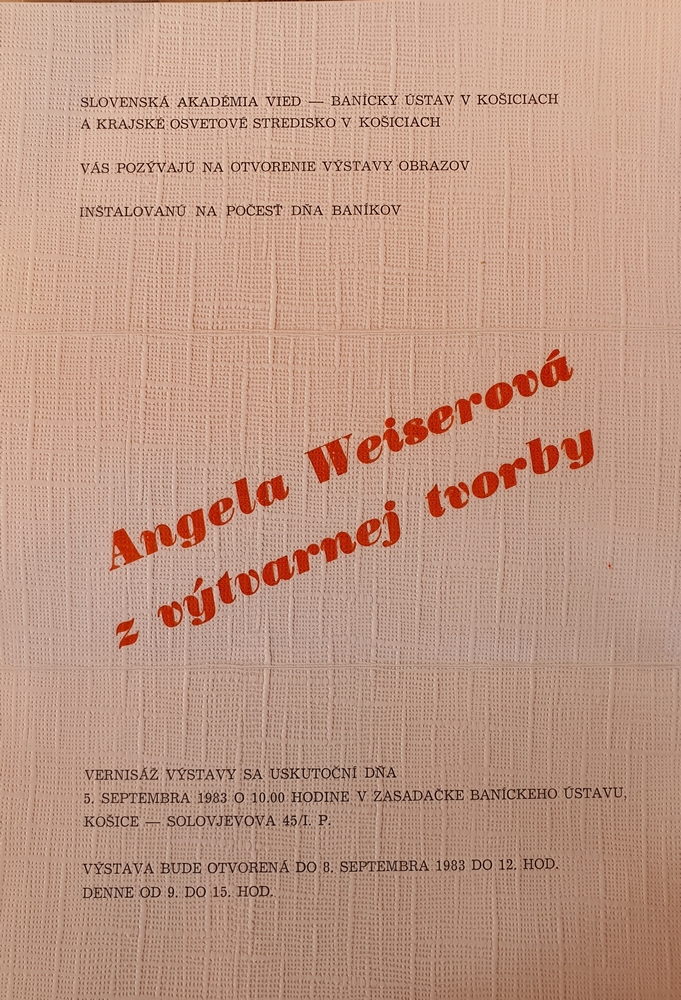
Táto pozvánka z roku 1983 je významným dokumentom, ktorý zachytáva jedno z mnohých umeleckých podujatí spojených s tvorbou Angely Weiserovej. Výstava s názvom „Angela Weiserová z výtvarnej tvorby“ bola inštalovaná na počesť Dňa baníkov, čo podčiarkuje úctu k tejto profesii a symbolické spojenie umenia s ťažkou prácou baníkov, ktorú výstava reflektovala.
Rozbor textu pozvánky:
Organizátori: Pozvánka bola vydaná pod záštitou Slovenskej akadémie vied, konkrétne Baníckeho ústavu v Košiciach, v spolupráci s Krajským osvetovým strediskom v Košiciach. Tento výber organizátorov naznačuje nielen vysoký význam výstavy, ale aj interdisciplinárne prepojenie medzi vedou, umením a kultúrnym vzdelávaním v regióne. Banícky ústav, známy svojou vedeckou činnosťou, tu vystupuje v role, ktorá je nad rámec čistej vedy, čím vzdáva hold kultúrnym hodnotám a estetickému prínosu v oblasti umenia.
Význam podujatia: Výstava bola otvorená pri príležitosti Dňa baníkov, čo dodáva podujatiu špecifický charakter. Umiestnenie výstavy v takomto kontexte zdôrazňuje spoločenskú úctu voči baníkom a vplyv baníckej komunity v Košiciach. Je možné predpokladať, že vystavené diela Angely Weiserovej reflektovali motívy spojené s prírodou, krajinnými scenériami, alebo možno priamo s tematikou pracovného prostredia baníkov, čo by bolo v súlade s konceptom výstavy.
Dátum a miesto konania: Vernisáž výstavy sa uskutočnila 5. septembra 1983 o 10:00 hodine v zasadačke Baníckeho ústavu na Solovjevovej ulici č. 45 v Košiciach. Miesto konania výstavy je zaujímavé samo o sebe – výstavný priestor nie je typická galéria, ale zasadačka ústavu, čo môže naznačovať, že výstava mala skôr komornejší charakter alebo bola zameraná na konkrétnu cieľovú skupinu, predovšetkým na ľudí z oblasti vedy, techniky, baníctva a kultúry.
Dĺžka trvania výstavy: Výstava bola otvorená od 5. do 8. septembra 1983, denne v čase od 9:00 do 15:00 hod. Krátka doba trvania (len tri dni) naznačuje, že výstava bola jednorazovým podujatím s limitovaným prístupom, pravdepodobne určeným pre pozvaných hostí, odbornú verejnosť alebo konkrétnu komunitu.
Typografia a dizajn pozvánky: Pozvánka je jednoduchá, ale formálne upravená. Použitý font je klasický a ľahko čitateľný, čo dodáva pozvánke profesionálny vzhľad, vhodný na akademické a kultúrne podujatie. Výrazný červený text s menom Angely Weiserovej pôsobí ako ústredný vizuálny prvok, ktorý okamžite upúta pozornosť a zdôrazňuje osobnosť umelkyne. Celkový dizajn je minimalistický, čím vyniká obsah a význam udalosti bez rušivých grafických prvkov.
Záver: Táto pozvánka je nielen dokumentom o konkrétnej výstave, ale aj svedectvom o prepojení kultúry a vedy v Košiciach v 80. rokoch. Vystavené diela Angely Weiserovej pravdepodobne reflektovali tému alebo hodnoty, ktoré rezonovali s baníckou komunitou, čím sa výstava stala kultúrnym mostom medzi umelcami a baníckou spoločnosťou.
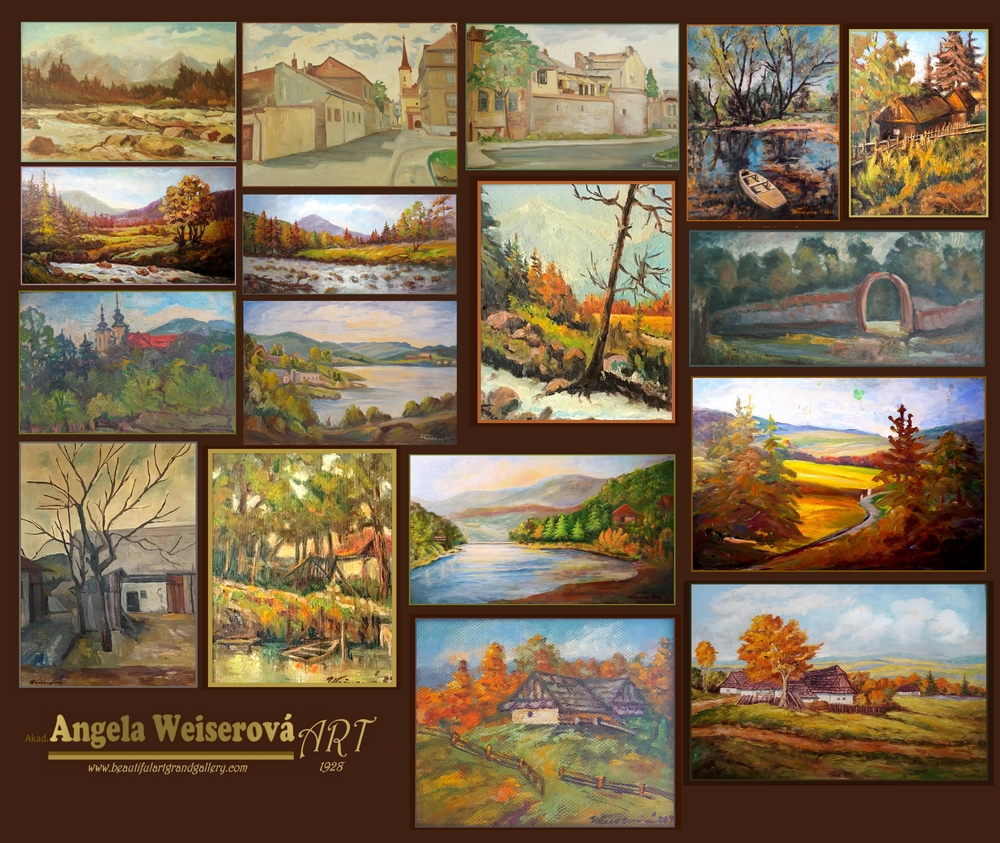
Umelkyňa Angela Weiserová vo svojej tvorbe spája prvky realistického zobrazovania s impresionistickým vnímaním atmosféry a farby. Jej technika a rukopis sa vyznačujú jemnosťou, dôrazom na farebné prechody a precíznym zachytením prírody, ktoré je však obohatené o jej osobný emočný pohľad. Pre túto symbiózu môžeme jej tvorbu prirovnať k dielam umelcov ako Isaac Levitan a Gustave Caillebotte.
Farebná harmónia a lyrickosť: Angela Weiserová pracuje s farebnou paletou, ktorá má schopnosť navodzovať atmosféru pokoja a melanchólie. Tento cit pre farebné ladenie ju približuje k dielam Isaaca Levitana, ruského krajinkára známeho svojimi melancholickými zobrazeniami prírody. Podobne ako Levitan, Angela Weiserová nevyužíva iba doslovný realizmus, ale do svojej krajiny vkladá osobnú náladu, čím vytvára pocit hlbokej symbiózy s prírodou. Rovnako ako Levitanove diela, aj práce Angely Weiserovej sú vizuálnymi básňami, ktoré odhaľujú jej vnútorný pokoj a harmóniu s krajinou.
Presnosť v kompozícii a detail: Angely Weiserovej kompozície sú premyslené a vyvážené, často s dôrazom na architektonické prvky alebo prírodné scenérie, čo možno prirovnať k prístupu Gustava Caillebotteho, francúzskeho impresionistu, ktorý sa preslávil svojim dôrazom na presnosť a detail. Caillebotte, hoci bol impresionistom, často pracoval s presnými líniami a kompozičnou harmóniou. Podobne Angela Weiserová pracuje so svojimi kompozíciami, čím vytvára pocit vizuálnej rovnováhy, ktorý však neznižuje emotívny účinok jej diel. Tento prístup ju odlišuje od klasického impresionizmu a priraďuje ju k realistickejším tendenciám v zobrazení.
Dynamika prírody a pohyb: Angely Weiserovej diela sú plné pohybu – v jemných vetroch, ktoré sa odrážajú v konároch stromov, či v pokojnej hladine riek. Tento pohyb a dynamiku môžeme prirovnať k technike Johna Constabla, britského romantického krajinára, ktorý bol známy tým, že dokázal zobraziť živelnosť prírody. Angela Weiserová, podobne ako Constable, zobrazuje prírodu nielen ako pozadie, ale ako žijúci organizmus, kde každý prvok – od stromov až po vodné plochy – má svoj vlastný život a rytmus. Tento aspekt pridáva jej dielam hĺbku a umožňuje divákovi cítiť sa súčasťou scény.
V dielach Angely Weiserovej je cítiť hlboké emocionálne prepojenie s prírodou, ktoré nie je iba estetickým zážitkom, ale aj vnútornou potrebou. Jej obrazy môžu byť chápané ako úniky do sveta, kde je možné nájsť pokoj a útechu. Angela Weiserová využíva umenie ako prostriedok introspekcie, kde každá farba a ťah štetcom reflektuje jej vnútorné pocity a jej snahu nájsť harmóniu so svetom okolo seba.
Jej diela sú zároveň meditáciou nad časom a prechodnosťou – podobne ako Levitanove krajiny, aj Angely Weiserovej obrazy často obsahujú podtóny melanchólie a nostalgie, čo naznačuje jej vedomé vnímanie pominuteľnosti a hodnoty okamihu.
Angela Weiserová svojou technikou a rukopisom dosahuje harmóniu medzi realizmom a impresionizmom, čím vytvára diela, ktoré sú vizuálne príťažlivé, ale aj psychologicky hlboké. V jej umení možno nájsť prvky, ktoré pripomínajú Isaaca Levitana svojou lyrickosťou a hĺbkou, Gustava Caillebotteho v presnosti a vyváženosti kompozície a Johna Constabla v dynamike a pohybe prírodných scén. Tvorba Angely Weiserovej je unikátnym prínosom do slovenského umenia, kde jej diela slúžia ako okná do pokojného, ale silne prežívaného vzťahu k prírode a svetu.
Spomienky na vernisáže a výstavy

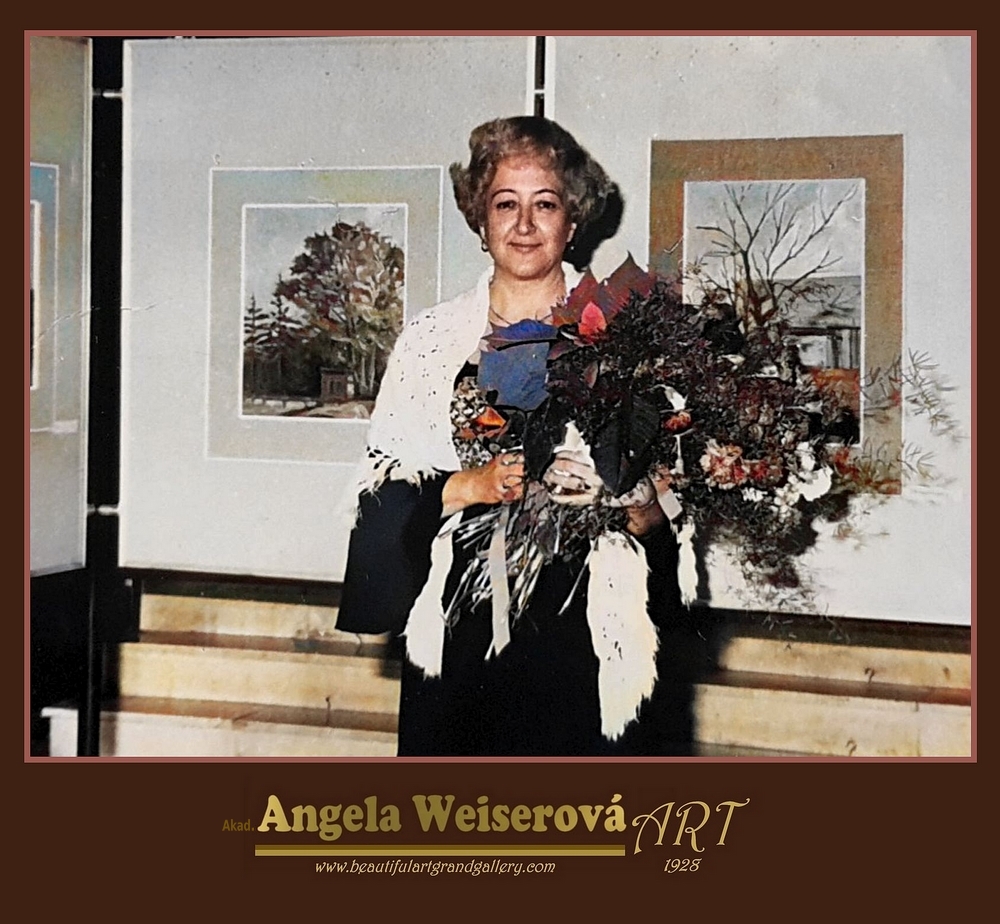
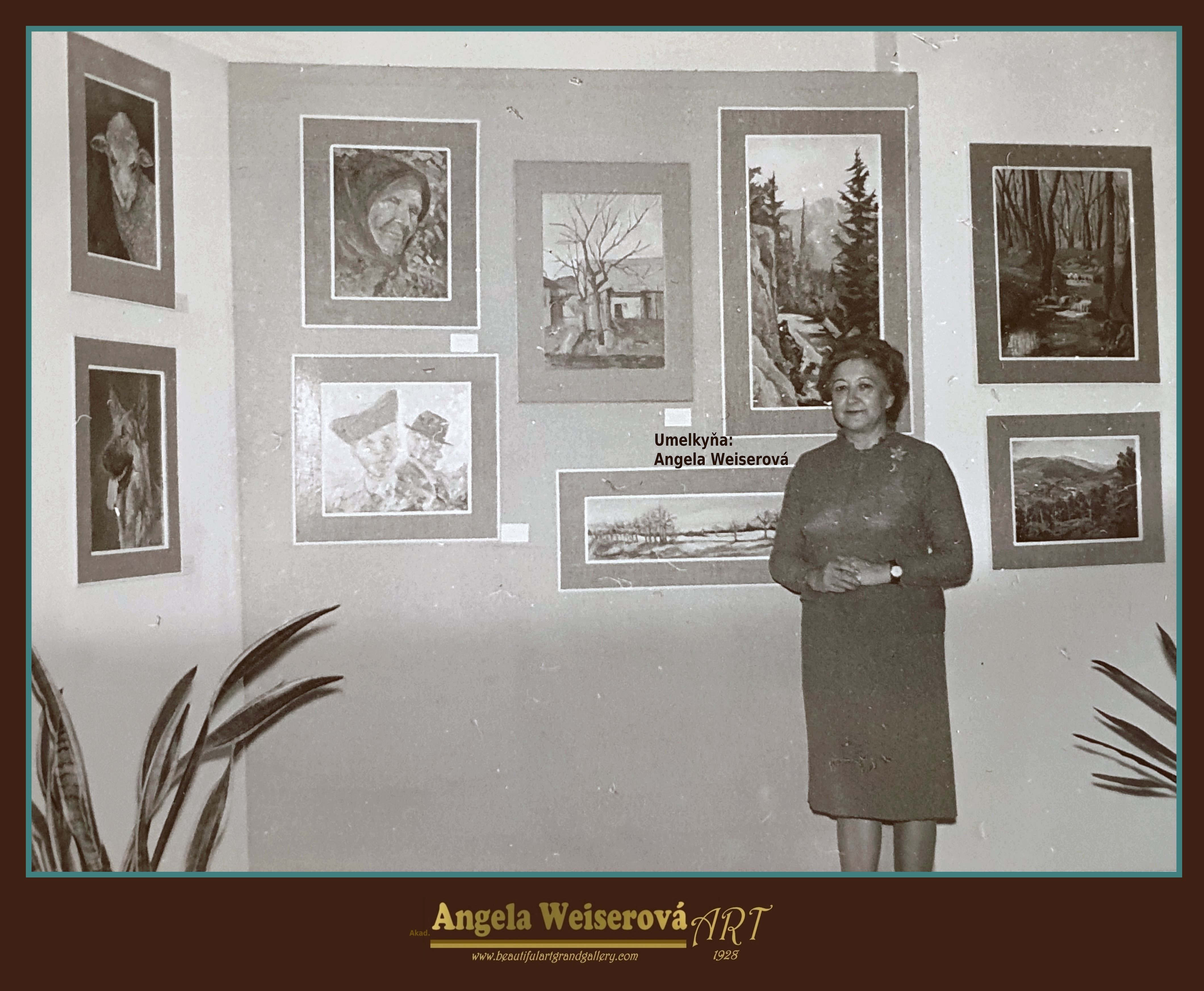
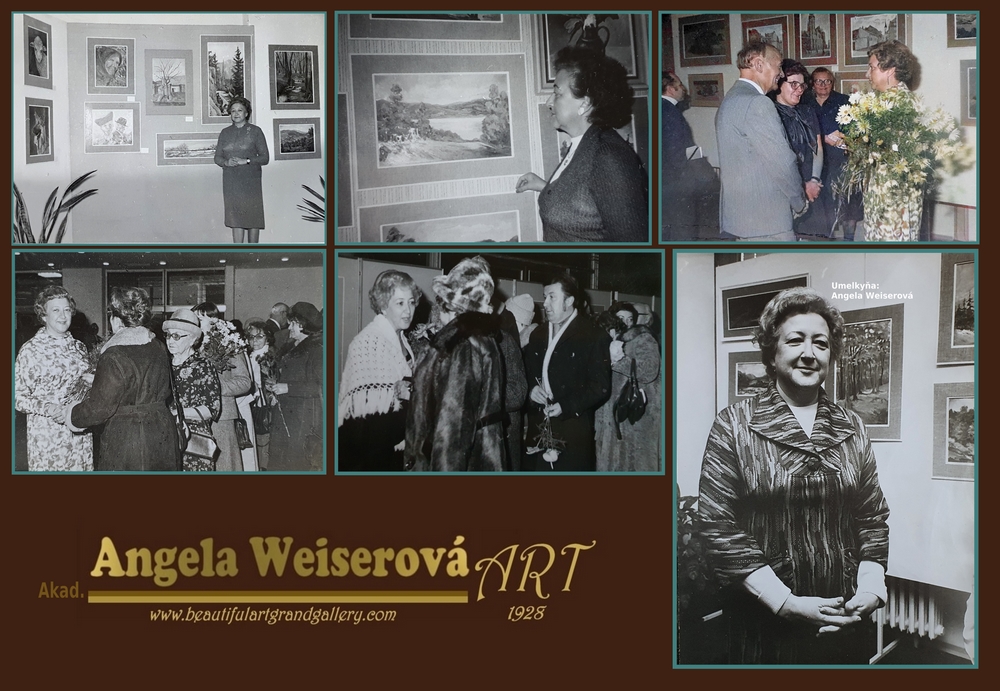
Tieto fotografie predstavujú Angelu Weiserovú a jej vzťah k umeleckej komunite a výstavnému prostrediu prostredníctvom autentických záberov z rôznych vernisáží a výstav. Zachytávajú významné momenty jej umeleckej kariéry, kde vystupuje ako prominentná osobnosť výtvarnej scény, a dokumentujú, ako dokázala svojím umením a osobnosťou prilákať široké publikum a získať si uznanie od divákov i kolegov.
Opis jednotlivých momentov:
Vernisáž s účasťou širokého publika: Na viacerých záberoch vidíme dav návštevníkov, ktorí sa zúčastňujú na otvorení jej výstav. Jeden z nich spomína účasť viac ako 300 hostí, čo svedčí o popularite jej tvorby a o tom, že jej diela dokázali osloviť široké publikum. Záujem návštevníkov a živá atmosféra vernisáže odrážajú význam Angely Weiserovej v umeleckom svete a jej schopnosť komunikovať s publikom prostredníctvom svojho umenia.
Súkromné momenty a osobné spomienky: Na jednej z fotografií je zachytená v domácom prostredí, kde drží spomienkové fotografie – tento záber odhaľuje jej nostalgiu a vzťah k minulým umeleckým udalostiam. Pôsobí tu pokojne a zamyslene, čo poukazuje na jej hlboký vzťah k umeniu nielen ako k povolaniu, ale aj ako k súčasti jej osobného života.
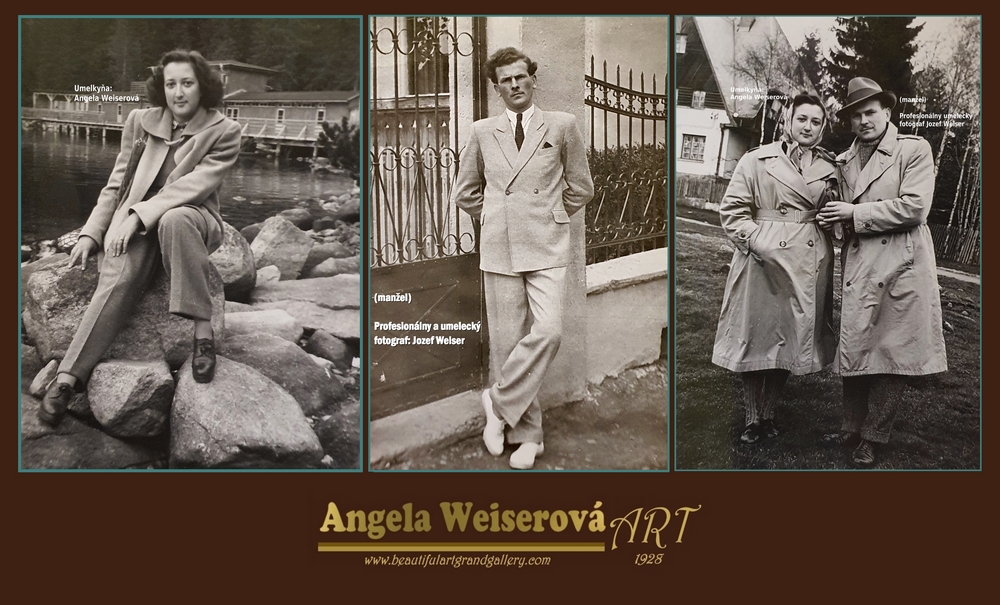
Vzťah s manželom a rodinou: Na jednej z fotografií je zachytený aj jej manžel, profesionálny umelecký fotograf Jozef Weiser, ktorý bol zakladateľom a vedúcim Ústredného fotolaboratória Lekárskej fakulty UPJŠ v Košiciach. Ich vzťah bol pevný a podporujúci, čo sa odráža aj v jej tvorbe, kde čerpala inšpiráciu nielen z prírody, ale aj z osobných väzieb a rodinného zázemia. Manželova fotografická kariéra a jeho profesionálny pohľad na vizuálne umenie mohli tiež pozitívne ovplyvniť Angely Weiserovej vlastný umelecký prístup.
Elegantný prejav a spoločenská elegancia: Angela Weiserová sa na každej vernisáži objavuje s jemným pôvabom a eleganciou, čo odráža jej osobitný štýl. Na mnohých fotografiách je oblečená vo vkusných róbach a so šálom, čo jej dodáva aristokratický vzhľad. Týmto spôsobom nielen prezentovala svoju umeleckú identitu, ale aj svoj rešpekt voči divákom a umeleckému svetu.
Diela a umelecké inštalácie: Na záberoch z výstavných priestorov môžeme vidieť Angely Weiserovej obrazy usporiadané na stenách galérie. Jej diela, často s prírodnými motívmi a bohatou farebnosťou, vynikajú svojou harmóniou a detailným spracovaním. Je zjavné, že Angela Weiserová mala cit pre kompozíciu a prezentáciu svojho umenia, čím umocňovala divácky zážitok.
Celkový význam:
Tieto fotografie predstavujú Angelu Weiserovú nielen ako umelkyňu, ale aj ako kultúrnu osobnosť, ktorá svojou tvorbou ovplyvňovala a obohacovala umeleckú komunitu na Slovensku. Vernisáže a výstavy, na ktorých sa prezentovala, boli pre ňu príležitosťou na stretnutie s publikom, vyjadrenie vďaky a zdieľanie jej umeleckej vízie. Atmosféra týchto udalostí, zachytená na fotografiách, ukazuje jej charizmu, spoločenský vplyv a schopnosť vytvárať hlboké spojenie s divákmi.
Zároveň tieto zábery poukazujú na vzácnosť a hodnotu jej diela, ktoré dokázalo prilákať stovky návštevníkov a získať široké uznanie. Angela Weiserová je takto nielen symbolom umeleckej tvorby, ale aj vzorom pre budúce generácie umelcov, ktorí sa môžu inšpirovať jej oddanosťou, elegantným prejavom a odhodlaním prispievať k rozvoju kultúry.
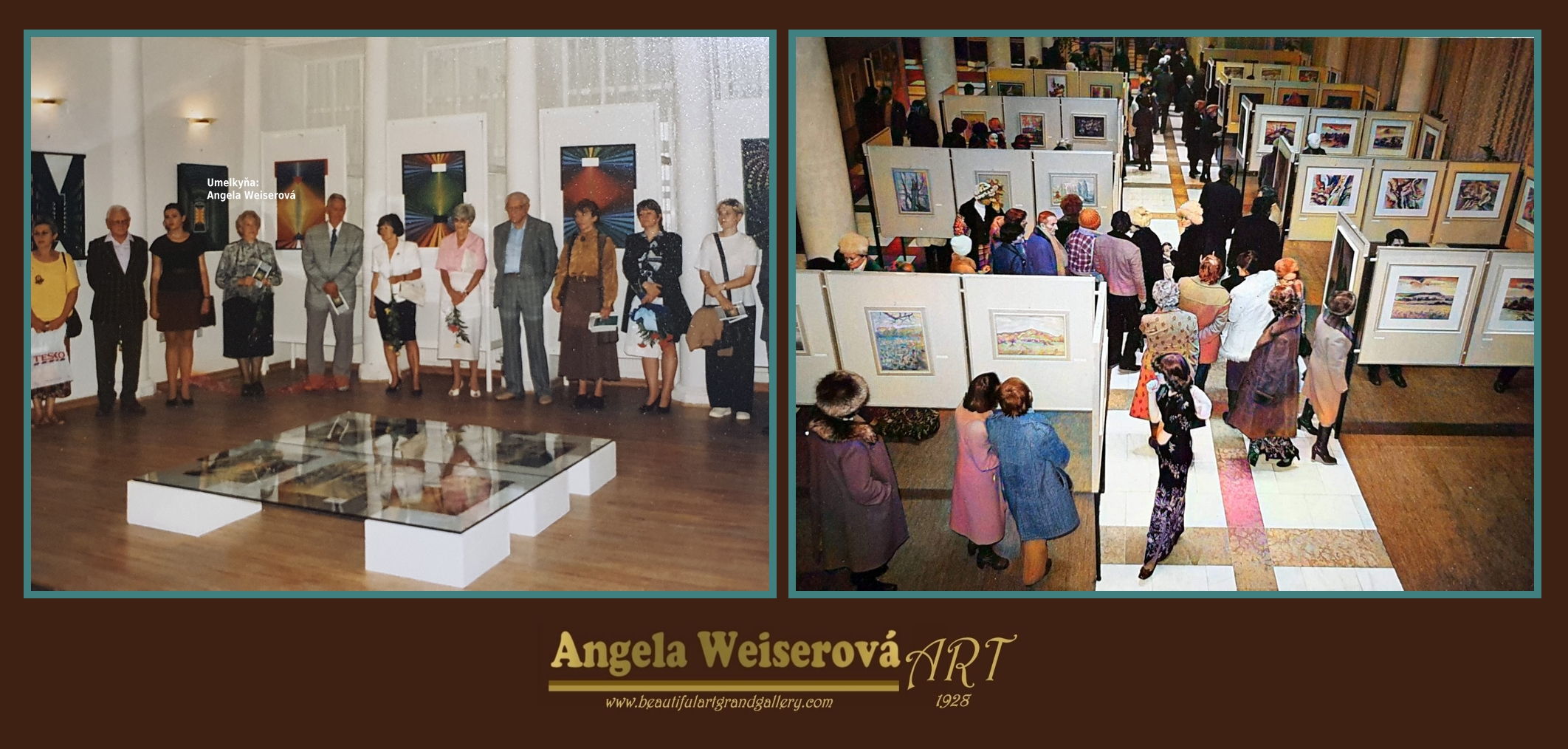
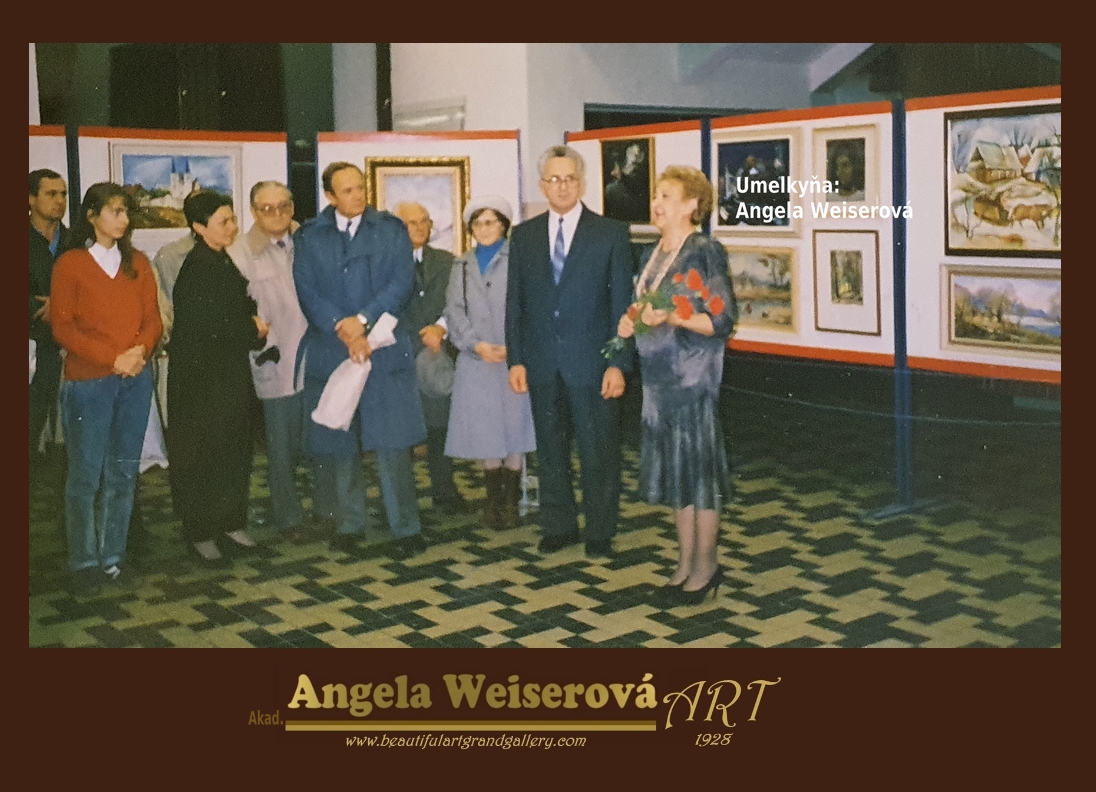
Umelkňa Angela Weiserová na spoločnej výstave
Posledná autorská vystavá Angely Weiserovej, na ktorej sa osobne zúčastnila
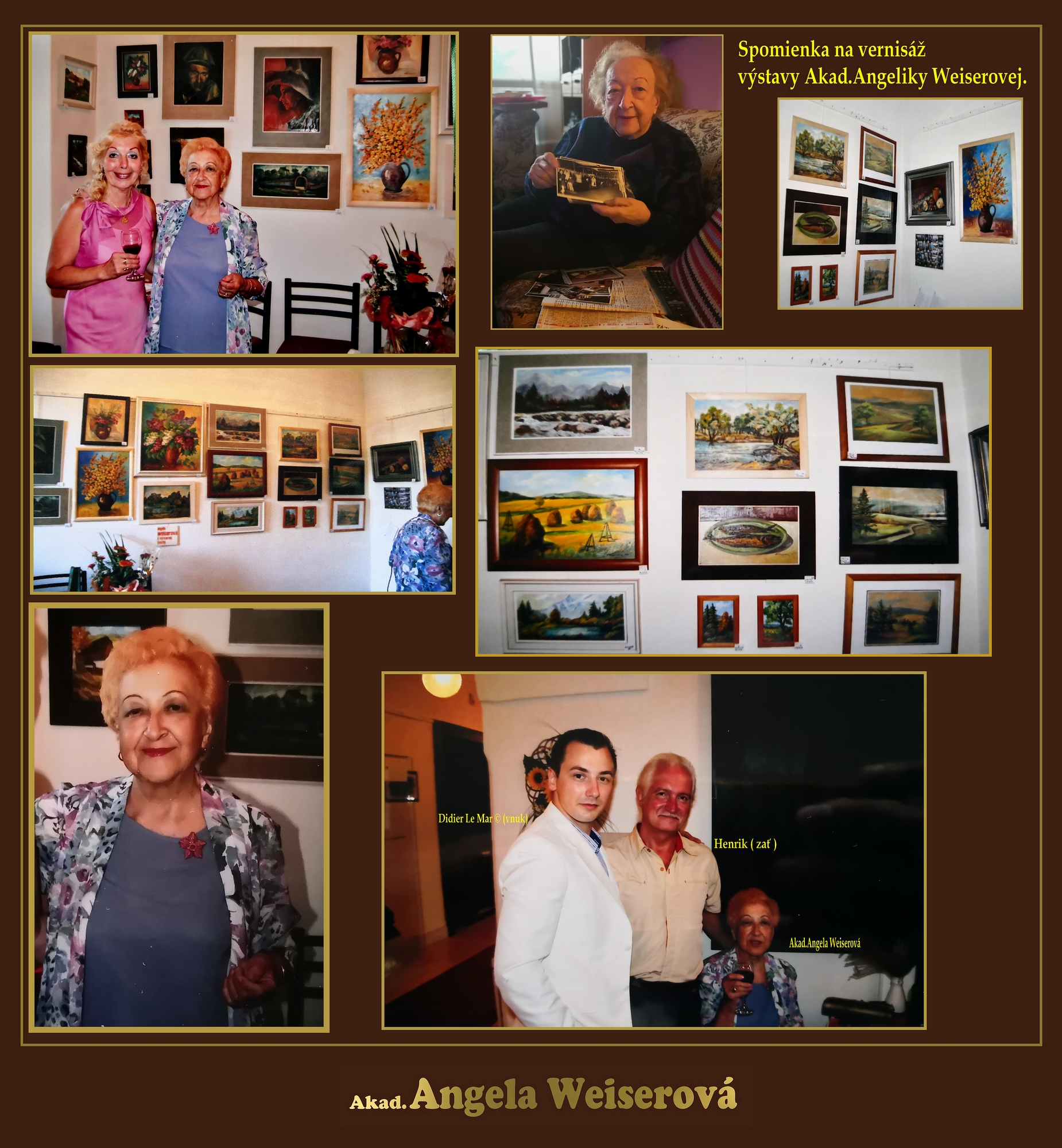
Táto koláž fotografií zachytáva poslednú autorskú výstavu Angely Weiserovej, na ktorej sa osobne zúčastnila, a ktorá sa stala významnou udalosťou na uzatvorenie jej aktívnej umeleckej kariéry. Výstava predstavila rôzne diela z jej celoživotnej tvorby a prilákala široké spektrum hostí, vrátane rodinných príslušníkov, priateľov a umeleckých kolegov.
Angela Weiserová na výstave: Na viacerých záberoch je Angela Weiserová v obklopení svojich obrazov a návštevníkov, čo odhaľuje jej radosť a spokojnosť z osobného stretnutia s publikom a obdivovateľmi. Jej priateľský a otvorený úsmev naznačuje nadšenie a hrdosť na svoje diela, ktoré prezentovala verejnosti. Angela Weiserová je oblečená elegantne a vkusne, čo je charakteristické pre jej osobný štýl a prístup k umeniu a životu.
Umelecké diela na stenách: Fotografie zachytávajú rôzne diela z Angely Weiserovej tvorby, prevažne krajinky a portréty, ktoré vystavuje v bohato zaplnenej galérii. Obrazy sú rozmiestnené vedľa seba, čo vytvára vizuálne intenzívny zážitok, a každé dielo vyžaruje unikátny charakter a štýl umelkyne. Je zrejmé, že jej práca sa sústredila na prírodu a ľudí, čo zobrazuje s jemnosťou a dôrazom na emócie.
Spomienkové fotografie a stretnutia: Jeden zo záberov zobrazuje Angelu Weiserovú v domácom prostredí, kde drží spomienkové fotografie, ktoré pravdepodobne odkazujú na významné udalosti a predchádzajúce výstavy. Tento moment je intímny a odhaľuje osobnú stránku jej života, ukazujúc, že umenie pre ňu nebolo len prácou, ale celoživotnou vášňou a zdrojom šťastia.
Rodinní príslušníci a hostia: Medzi fotografiami sa objavuje aj jej vnuk, Didier Le Mar, renomovaný umelec, ktorý pokračuje v rodinnej tradícii. Táto fotografia zdôrazňuje medzigeneračný umelecký odkaz v rodine Weiserovcov. Spolu s rodinnými príslušníkmi a kolegami tvorili atmosféru plnú podpory a uznania, čo umocnilo význam tejto udalosti pre samotnú umelkyňu.
Táto posledná autorská výstava Angely Weiserovej bola nielen prezentáciou jej diela, ale aj oslavou jej celoživotného prínosu k slovenskému umeniu. Jej vystavené obrazy predstavovali prierez jej tvorbou, pričom každý obraz odrážal jej osobitý štýl a schopnosť zachytiť atmosféru, náladu a emócie. Výstava bola symbolickým uzavretím jej aktívnej kariéry a príležitosťou na zdieľanie spomienok s najbližšími a verejnosťou, ktorá ju obdivovala.
Angela Weiserová tu pôsobí ako umelkyňa, ktorá si zachovala svoju vitalitu a nadšenie pre umenie až do posledných dní aktívneho pôsobenia. Jej práca bola ocenená nielen z hľadiska umeleckého prínosu, ale aj z pohľadu osobnej angažovanosti a dlhoročného prínosu k slovenskej kultúre. Výstava je teda dôstojným zavŕšením jej kariéry a inšpiráciou pre ďalšie generácie, ktoré môžu čerpať z jej oddanosti umeniu a rodinnému dedičstvu.
Autorka diel umelkyňa Angela Weiserová
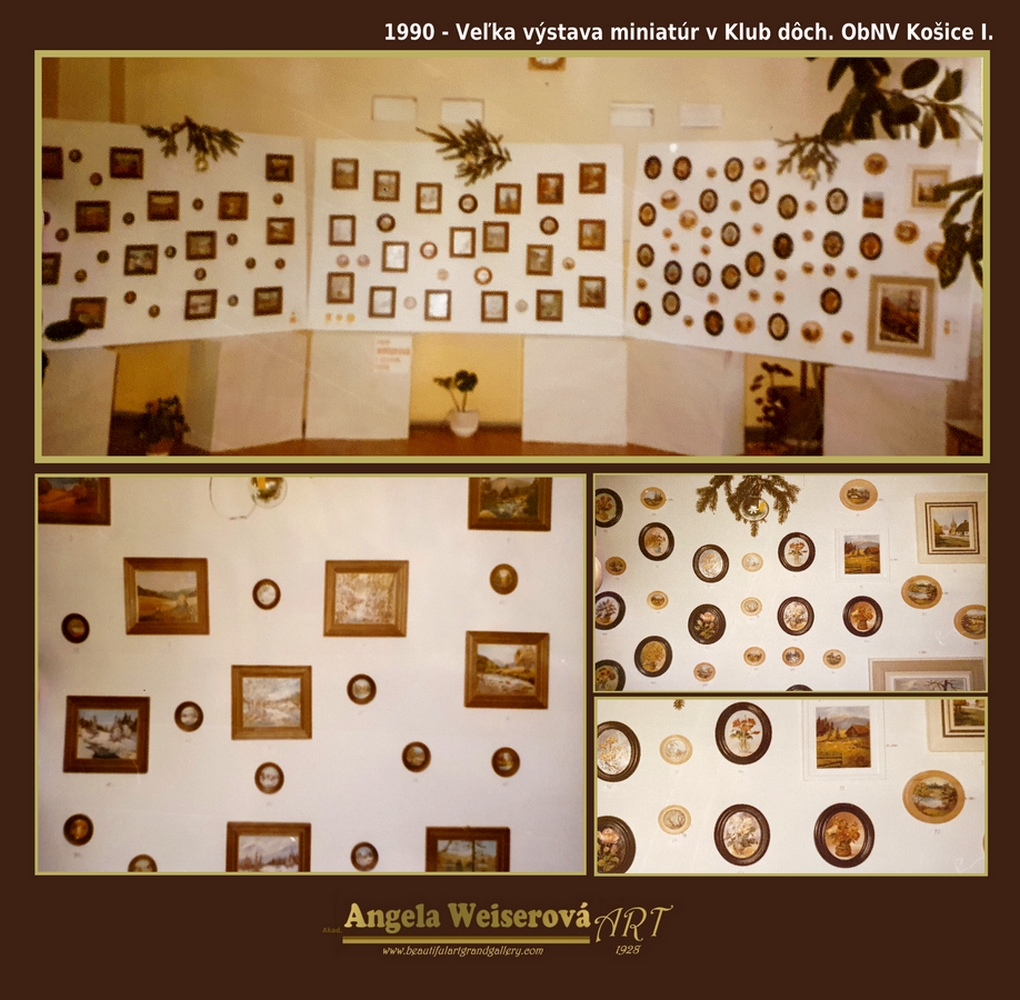
Táto koláž zachytáva veľkú výstavu miniatúr o počte 150 kusov od Angely Weiserovej, ktorá sa konala v roku 1990 v Klube dôchodcov ObNV v Košiciach. Výstava je významným svedectvom o jej zručnosti a precíznosti v práci s drobnými formátmi, kde dokázala zachovať rovnakú hĺbku a emocionalitu ako pri svojich väčších dielach. Tieto miniatúry odrážajú jej schopnosť zachytiť esenciu krajiny a prírody na malom priestore a ukazujú, ako dôkladne sa venovala každému detailu.
Rozvrhnutie a inštalácia diel: Výstava pozostáva z niekoľkých panelov, na ktorých sú miniatúry usporiadané do harmonických kompozícií. Každý panel je zaplnený rôznymi obrazmi v rozličných tvaroch a rámoch, od okrúhlych po klasické obdĺžnikové formáty. Táto rôznorodosť pridáva výstave dynamiku a priťahuje pohľad diváka na každý jednotlivý kúsok.
Počet a rozmanitosť diel: Na výstave sa nachádza veľké množstvo miniatúr – odhaduje sa, že môže ísť o desiatky až stovky diel, pričom každý obraz predstavuje unikátnu scénu alebo motív. Hoci sú všetky diela malé, každý kúsok obsahuje dostatočné detaily na to, aby zaujal svojou kompozíciou a atmosférou. Rozmanitosť krajinných a prírodných motívov naznačuje, že Angela Weiserová mala hlboký vzťah k prírode a usilovala sa zachytiť jej rôzne podoby a nálady.
Technika a farby: Aj na malom priestore Angela Weiserová preukázala svoju schopnosť pracovať s farebnými prechodmi a detailmi. Zemitá paleta, ktorá zahŕňa odtiene zelenej, hnedej a okrovej, dominuje v mnohých dielach, čo vytvára prirodzený a realistický vzhľad. Kombinácia jemných ťahov a presného tieňovania dodáva obrazom hĺbku, aj napriek ich malému formátu.
Výber rámov: Každé dielo je starostlivo orámované, čo pridáva dielam eleganciu a zvýrazňuje ich individualitu. Rôzne typy rámov (od okrúhlych po klasické) svedčia o tom, že Angela Weiserová venovala pozornosť aj prezentácii svojich diel. Rámovanie pomáha oddeliť každý obraz a dáva mu priestor na vyniknutie.
Táto výstava miniatúr ukazuje, že Angela Weiserová bola nielen talentovanou krajinkárkou, ale aj umelkyňou s mimoriadnou trpezlivosťou a precíznosťou. Miniatúry si vyžadujú maximálne sústredenie a schopnosť zachytiť esenciu scény na minimálnom priestore, čo dokáže len skutočne zručný umelec. Tento formát môže tiež naznačovať introspektívny charakter Angely Weiserovej a jej tvorby – miniatúry sú akoby „intímnymi oknami“ do sveta, ktorý pozorovala a hlboko vnímala.
Výstava mohla tiež symbolizovať jej prístup k prírode a k životu – s dôrazom na maličkosti, ktoré tvoria celok. Tým, že sa rozhodla pre miniatúry, dokázala vyjadriť svoje osobné prepojenie s detailmi a ukázať divákom krásu, ktorá často uniká bežnému pohľadu.
Veľká výstava miniatúr Angely Weiserovej v Klube dôchodcov ObNV v Košiciach v roku 1990 bola významnou udalosťou, ktorá odhaľuje jej cit pre detail, technickú zručnosť a hĺbku vnímania. Miniatúry sú dôkazom jej schopnosti pracovať s maličkými formátmi, kde je každý obraz samostatným umeleckým dielom, pričom dohromady vytvárajú harmonickú kolekciu jej životného prístupu k umeniu a prírode. Tieto drobné diela sú svedectvom o jej oddanosti umeniu a precíznom zobrazení krásy, ktorú nachádzala vo svojom okolí.
Angela Weiserová bola umelkyňa, ktorá zanechala výraznú stopu na slovenskej výtvarnej scéne prostredníctvom svojich diel, výstav, súťaží a ocenení, ktoré získala počas svojej vyše 70-ročnej kariéry. Jej tvorba sa rozprestiera od kombinovaných techník, cez portréty a krajinky až po miniatúry, pričom mala schopnosť preniesť svoje osobné vnímanie sveta a emocionálnu hĺbku do každého diela. Významné úspechy dosiahla nielen na Slovensku, ale aj v zahraničí, kde sa zúčastňovala na medzinárodných plenéroch a výstavách.
Angela Weiserová sa aktívne zúčastňovala na desiatkach výstavách, čím prispievala k obohateniu kultúrneho diania v Košiciach a na celom Slovensku ako aj v zahraničí. Medzi jej zaujímavé výstavy patria:
Tieto výstavy sú svedectvom o jej všestrannosti a schopnosti oslovovať široké spektrum divákov, pričom každá udalosť bola dôkladne pripravená a tematicky zacielená.
Angela Weiserová si svojím výnimočným rukopisom a technikou získala mnohé uznania. Úspešne sa zúčastňovala na viacerých krajských a národných súťažiach, kde získavala ceny a čestné uznania:
Zúčastnila sa tiež medzinárodných plenérov, vrátane plenéru v NDR v kraji Cottbus, kde obrazáreň v meste Muskau odkúpila jej diela. V roku 1987 sa zúčastnila dvojtýždňového plenéru v Maďarsku.
Angela Weiserová bola počas svojej kariéry viackrát ocenená za svoj prínos k slovenskej kultúre:
Umelkyňa Angela Weiserová bola osobnosťou, ktorá svojím talentom, oddanosťou a aktívnym pôsobením významne prispela k rozvoju slovenskej výtvarnej kultúry. Jej tvorba bola pravidelne prezentovaná na významných výstavách, a jej úspechy na súťažiach a ocenenia dokazujú jej výnimočný prínos do výtvarného umenia. Bola uznávaná nielen pre svoje umelecké diela, ale aj pre svoju aktívnu účasť na podporovaní kultúry a umenia, čo z nej robí inšpiračnú postavu pre ďalšie generácie umelcov.
Na fotografii umelkyňa Angela Weiserová s portrétmi
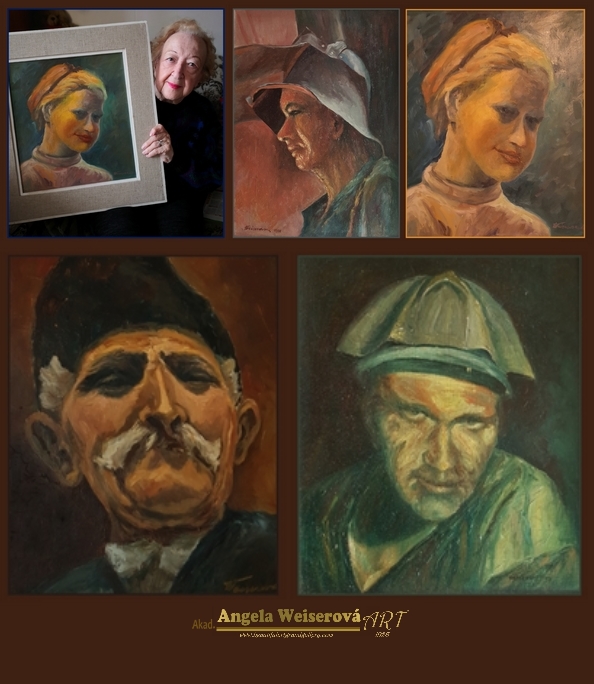
Tieto portréty Angely Weiserovej sú presvedčivými vrcholnými dielami, v ktorých sa spája jemný realizmus s citlivou psychologickou analýzou postáv. Angely Weiserovej technika využíva farebné kontrasty a dôraz na štruktúru, čím vytvára hĺbkové psychologické portréty. Pre presnejšie prirovnanie môžeme jej tvorbu porovnať s umelcami ako Thomas Eakins a Käthe Kollwitz, ktorí sa taktiež venovali realistickému zobrazovaniu postáv s dôrazom na ich vnútorné emócie a spoločenský kontext.
Farebnosť a práca so svetlom: Angela Weiserová sa zameriava na jemné prechody medzi svetlom a tieňom, čo umožňuje vytvárať portréty s bohatou textúrou a realistickou atmosférou. Jej farebná paleta, ktorá kombinuje zemitú okrovú, tlmenú zelenú a kontrastné hnedé tóny, dodáva portrétom hĺbku a emocionalitu. Tento prístup pripomína Thomasa Eakinsa, amerického realistického umelca, ktorý pracoval s podobne tlmenými farbami a precíznymi svetelnými prechodmi, aby zdôraznil fyzickú a psychickú hĺbku svojich postáv. Eakins, podobne ako Angela Weiserová, kládol dôraz na autenticitu a realistické zobrazenie, čím dosiahol pocit „živosti“ v portrétoch.
Štruktúra a textúra štetca: Angela Weiserová používa kontrolované ťahy štetcom, ktoré sú však dostatočne výrazné na to, aby pridali portrétom energiu a charakter. Táto štruktúra dodáva dielam plastickosť a zvyšuje dramatickosť obrazu, čím portréty získavajú dynamiku. Tento štýl pripomína prístup Käthe Kollwitz, nemeckej umelkyne, známej svojou prácou s textúrou a so silnými kontrastmi, ktoré zdôrazňovali emocionálnu intenzitu jej postáv. Kollwitz často využívala textúru a hlboké tmavé tóny na vyjadrenie ťažkého života a vnútorného boja svojich postáv, čo môžeme vidieť aj u Angely Weiserovej v podobe výrazných línií a kontrastov.
Angela Weiserová sa snaží o hlboké zachytenie vnútorných emócií svojich postáv, pričom zobrazuje nielen ich vonkajšiu podobu, ale aj vnútorné prežívanie. Výrazy tvárí sú introspektívne, často smerujúce mimo rám obrazu, čím naznačujú tichý vnútorný svet a introspektívnu povahu subjektov.
Mužské postavy: Jej mužské portréty často odhaľujú tvrdosť a zrelosť, ktorá je výsledkom životných skúseností. Tieto postavy majú výrazné, oduševnené tváre, ktoré prezrádzajú pevnosť a vnútornú silu. V tomto kontexte pripomína Angely Weiserovej práca aj Thomasa Eakinsa, ktorý sa zameriaval na zobrazenie charakteru a hĺbky svojich mužských subjektov cez výrazné črty a dôsledné detaily.
Ženské postavy: V jej zobrazeniach žien je badateľná jemnosť, zraniteľnosť a hlboká emocionálna introspekcia. Jemné črty a pokojný výraz ženských postáv zdôrazňujú tichý vnútorný život, čo sa prelína s prácou Käthe Kollwitz, ktorá vo svojich ženských portrétoch zachytávala silu a zároveň jemnosť.
Angela Weiserová svojou technikou a prístupom pripomína diela Thomasa Eakinsa a Käthe Kollwitz. Eakinsov dôraz na realistické zobrazenie a psychologickú hĺbku mužských postáv a Kollwitzovej silná expresívna práca s kontrastom a textúrou nachádzajú ozvenu v Angely Weiserovej portrétoch. Tieto diela sú nielen realistickými zobrazeniami, ale aj introspektívnymi štúdiami ľudského charakteru a emócií, čo im dodáva nadčasový a hlboko osobný rozmer.
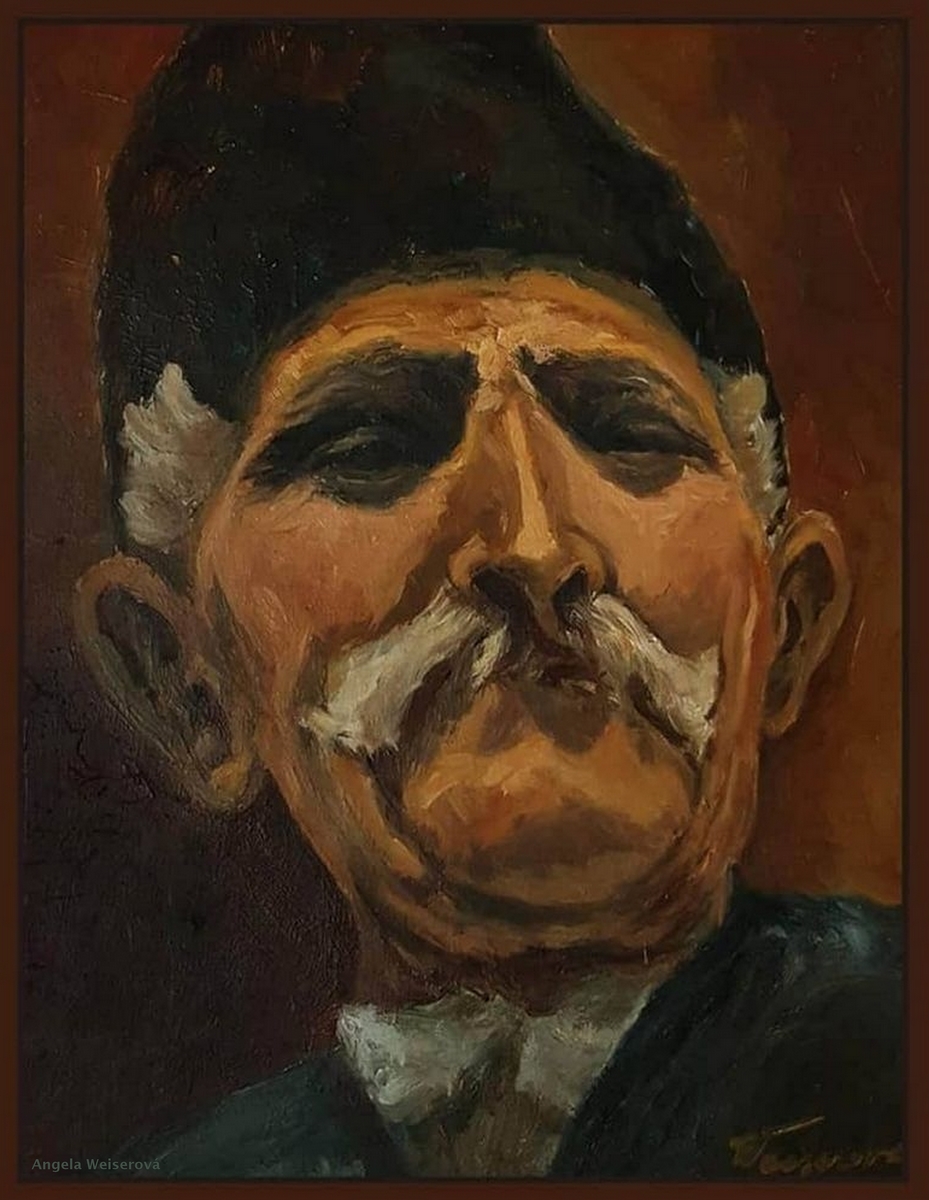
Dielo „Pamätníci na druhú svetovú vojnu“ zachytáva tvár starého muža s jazvou, čo mu dodáva charakteristický a výrazný výraz. Olejomaľba na sololitovom plátne od Angely Weiserovej, vytvorená okolo roku 1984, sa zameriava na portrét človeka s bohatými životnými skúsenosťami, pričom hlboká jazva na jeho tvári symbolizuje jeho účasť v partizánskych bojoch počas druhej svetovej vojny.
Kompozícia a perspektíva:
Farebnosť:
Štruktúra a textúra:
Svetlo a tieň:
Dielo „Pamätníci na druhú svetovú vojnu“ vyvoláva hlboké emócie a prináša psychologickú hĺbku portrétu muža, ktorý prežil vojnové hrôzy. Jazva na jeho tvári slúži ako symbol bolestnej minulosti, ktorá ho sprevádza aj v starobe. Tento detailný portrét vyjadruje nielen fyzickú, ale aj emocionálnu jazvu, ktorú vojna zanechala na mnohých ľuďoch. Tvárou muža prechádza odhodlanie a sila, no zároveň aj istá melanchólia a únava. V jeho výraze sa skrýva príbeh o strate, odvahe a prežití.
Portrét tiež odráža Angely Weiserovej schopnosť zachytiť vnútorný svet svojho subjektu – muž pôsobí múdro a rezignovane, ako človek, ktorý pozná drsné stránky života, no napriek tomu sa nevzdáva. Tento obraz môže pôsobiť na diváka introspektívne a núti ho zamyslieť sa nad následkami vojny, na ktorú sa nedá zabudnúť, a nad tým, aké stopy vojna zanecháva na ľudských dušiach a telách.
Celkovo dielo „Pamätníci na druhú svetovú vojnu“ slúži ako pocta tým, ktorí bojovali a trpeli v čase vojny, pričom zároveň pripomína, že spomienky na minulosť sú dôležitou súčasťou ľudskej identity.
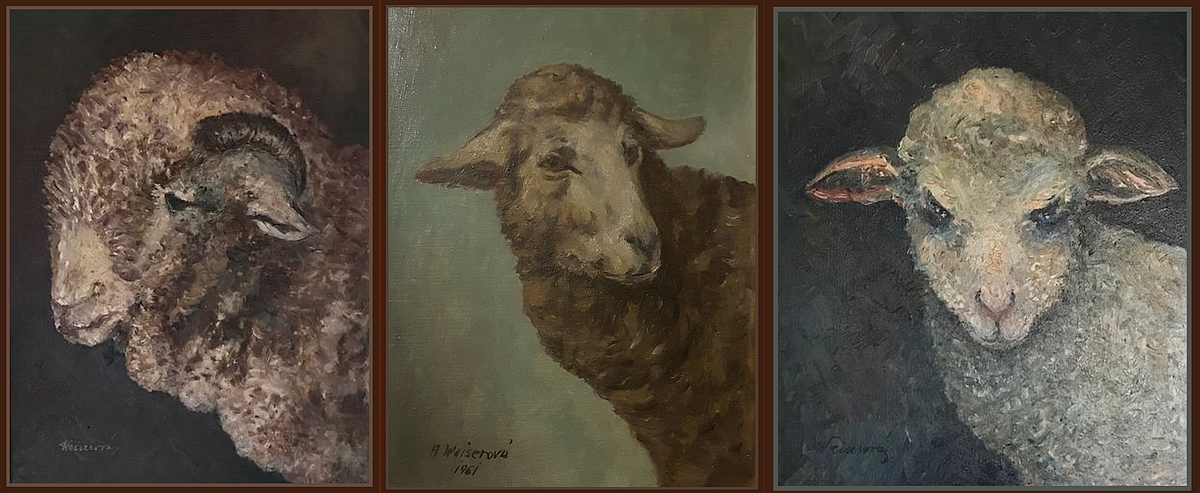
Triptych „Rodina“ od Angely Weiserovej je umeleckým dielom, ktoré v sebe zlučuje precíznosť techniky a hlboký filozofický rozmer. Vytvorený v roku 1961, tento triptych používa olejomaľbu na plátne na zachytenie troch portrétov oviec, pričom každá z nich reprezentuje člena rodiny. Angela Weiserová sa tu nezaoberá len realistickým zobrazením zvierat, ale vytvára symbolické a emocionálne vrstvy, ktoré odhaľujú jej pohľad na podstatu rodiny, prepojenie jednotlivca s kolektívom a zmysel identity.
Kompozícia a usporiadanie:
Farebná škála a tonalita:
Textúra a štruktúra:
Svetlo a tieň:
Angely Weiserovej triptych „Rodina“ je viac než len realistické zobrazenie oviec; je filozofickou výpoveďou o ľudskej existencii, o rodine ako o jadre identity a stability, ktorá pretrváva napriek vonkajším zmenám. Ovce symbolizujúce rodinných členov tu pôsobia takmer archetypálne, akoby každá z nich predstavovala aspekt ľudského bytia. Tichý, pokorný výraz ich tvárí odhaľuje hĺbku prežívanej skúsenosti, neokázalú múdrosť získanú rokmi a vedomie vzájomnej prepojenosti.
Každá ovca nesie v sebe náznak odlišnej osobnosti, čo môže predstavovať individuálny charakter každého člena rodiny, pričom ako celok odrážajú harmóniu a kontinuitu. Angela Weiserová tu vykresľuje filozofickú otázku o jednote a individuálnosti v rámci rodiny: rodina ako celok pozostáva z jednotlivcov, ktorí sú zároveň oddelení aj prepojení, pričom ich existencia je navzájom podmienená.
Dielo „Rodina“ možno prirovnať k niektorým dielam amerického realistického maliara Andrew Wyetha, známeho svojou schopnosťou zachytiť jednoduché scény s hlbokým emocionálnym a filozofickým obsahom. Rovnako ako Wyeth vo svojich slávnych dielach, aj Weiserová používa zdanlivo jednoduché subjekty (v tomto prípade ovce) na komunikáciu zložitých myšlienok o existencii, intimite a ľudskom bytí.
Rovnako ako Wyethova „Christina's World“, aj triptych „Rodina“ prebúdza vo divákovi pocit túžby, introspekcie a kontemplácie. Obidvaja umelci využívajú symboliku každodenného života na zobrazenie univerzálnych hodnôt. Weiserovej triptych tak nie je len umeleckým dielom; je to hlboká meditácia o prepojení medzi minulosťou, prítomnosťou a budúcnosťou, o odovzdávaní hodnôt a identít v rámci rodiny, ktorá, podobne ako jednotlivé vrstvy farby na plátne, vytvára jednotný, ale rozmanitý obraz.
Angela Weiserová v diele „Rodina“ zhmotňuje tiché a pokorné hodnoty, ktoré robia z rodiny pevný bod v meniacom sa svete. Toto dielo má silný filozofický rozmer, ktorý nás núti zamyslieť sa nad podstatou spojenia, kontinuity a individuálneho prínosu každého člena k celku. Svojím precíznym a lyrickým štýlom nás Angela Weiserová prenáša do sveta hlbokého prepojenia, kde každá vrstva farby a každý jemný ťah štetca prispieva k odhaleniu podstaty rodinného puta.

Tieto portréty, vytvorené technikou kresby uhľom, využívajú charakteristickú zrnitosť a temné nuansy, ktoré uhoľ poskytuje, čím umelkyňa vytvára akýsi éterický závoj cez tváre postáv. Práca s uhlom umožňuje Angele Weiserovej skúmať hĺbku a textúru, ktorá zosilňuje psychologický dopad každého portrétu.
V prvom obraze, kde je matka umelkyne zobrazená s pohľadom sklopeným nadol, dochádza k evokácii introspektívneho rozpoloženia. Tento postoj môže byť chápaný ako symbolická introspekcia – akési vnútorné skúmanie, ktoré sa prelína s prvkami existencializmu. Sklonená hlava spolu s temnými tieňmi na lícach a pod očami akoby vytvárala prechod medzi vonkajšou a vnútornou sférou, podobne ako v tvorbe nemeckého umelca Käthe Kollwitzovej, ktorá zachytávala psychologickú hĺbku a silu ženských protagonistiek.
Druhý portrét, kde matka hľadí mierne nahor, predstavuje akýsi vývoj v cykle introspektívneho výrazu – akoby odrazu prešla z reflektívnej melanchólie do stavu nádeje. Je to pohľad, ktorý evokuje určitú filozofickú rozvážnosť, miernu rezignáciu a vnútornú silu. Tento výraz rezonuje s dielami talianskeho symbolistu Giacoma Balla, ktorý zachytával transcendentálnu stránku bytosti prostredníctvom hry svetla a tieňa, v ktorej sa duch a telo zdajú byť v harmonickom súlade.
Tretí portrét, zobrazujúci muža s pevnými rysmi a výraznými fúzmi, zračí nekompromisný charakter a takmer ikonický archetyp mužskej sily. Pri tomto profile, plnom resolutnosti a tvrdosti, môžeme nájsť paralelu s tvorbou rakúskeho expresionistu Oskara Kokoschku. Jeho portréty odhaľujú hlboko zakorenené emócie a zároveň demonštrujú komplexnosť ľudskej psyché, kde sila a zraniteľnosť koexistujú.
Psychologický rozbor tejto série sa dotýka archetypálnych rovín: prvý obraz vyjadruje ženskú melanchóliu a introspektívnu citlivosť; druhý predstavuje transcendenciu, spirituálnu rozvahu a akceptáciu osudu; tretí manifestuje mužskú rozhodnosť a možno i podvedomý vzdor proti plynutiu času. Filozoficky je táto séria akýmsi rozjímaním nad plynutím života, cyklom starnutia a emocionálnych skúseností, ktoré tvoria esenciu ľudskej existencie.

„Zátišie s karafiátmi“ z roku okolo 1958 je dielo Angely Weiserovej, ktoré sa vyznačuje vysokou mierou technickej precíznosti a hlbokým zmyslom pre estetiku a harmóniu. Autorka využíva olejomaľbu, čo jej umožňuje dosiahnuť jemné prechody svetla a tieňa, vytvárajúc tak efekt chiaroscura, ktorý zvýrazňuje plnosť kvetov a ich plastickosť. Chiaroscuro, teda kontrast medzi svetlom a tmou, nielenže dodáva dielu hĺbku, ale zároveň pomáha akcentovať hlavný motív – bohatý kyticu karafiátov.
Angela Weiserová využíva klasickú techniku, v ktorej sa prejavuje remeselná zručnosť, čo možno rozpoznať v detailnom vykreslení textúry lístkov a kvetov. Textúra pôsobí takmer hapticky, čím dielo získava zmyslový rozmer. Na pozadí dominuje umne ladený monochromatický odtieň, ktorý nepôsobí rušivo a zároveň pridáva kompozícii na intímnosti. Tento prístup vyvoláva kontemplatívnu atmosféru, v ktorej je každý kvet starostlivo umiestnený, aby v divákovi vzbudil pocit pokoja a nostalgie.
Kompozícia je premyslená a centrálne usporiadaná, čo nasmeruje divákov pohľad priamo k váze a kvetom, pričom nižšie položený kvet na stole vytvára efekt perspektívy, ktorý dielo opticky otvára. Farby karafiátov oscilujú medzi sýtymi tónmi purpuru a jemnými, takmer éterickými odtieňmi bielej, čím autorka dosahuje vizuálnu dynamiku. Koloristika diela je harmonická a vyvážená, pričom farebné kontrasty umocňujú dojem vitality a krehkosti zároveň.
Vďaka tomuto detailnému prístupu k farebnej a kompozičnej harmónii vytvára Angela Weiserová dielo, ktoré prekračuje rámec obyčajného zátišia. Je to vizuálna poéma, ktorá preniká do hlbín existenciálnych otázok. „Zátišie s karafiátmi“ od Angely Weiserovej tak predstavuje syntézu estetickej krásy a remeselnej zručnosti, pričom dielo vyžaruje akúsi transcendentnú kvalitu, ktorá diváka vyzýva k introspektívnemu zamysleniu.
Psychologicky možno dielo interpretovať ako introspektívnu meditáciu nad cyklickou povahou života. Karafiáty, umiestnené do vázy, symbolizujú kvety plné vitality, ale ich poloha a prostredie naznačujú, že už nemajú spojenie s pôdou, z ktorej vyrástli. Tento detail môže diváka viesť k reflexii o odlúčení a o úlohe pamäte v procese emocionálneho spracovania. Kvety sú krásne, avšak ich krása je pominuteľná, čo vyvoláva pocit nostalgie a jemnej melanchólie – sú to kvety vo vrchole svojej krásy, no ich osud je už predurčený.
Angela Weiserová zachytáva toto psychologické napätie medzi krásou a jej pominuteľnosťou. Každý kvet pôsobí, akoby žil svoj vlastný príbeh, akoby z každého okvetného lístka dýchala iná emócia, iný fragment osobného príbehu. Pre diváka môže byť zátišie symbolom vnútorných rozporov medzi túžbou uchovať si ideály a neodvratným prúdom času, ktorý tieto ideály časom mení či dokonca narúša. Toto umelé uchovanie krásy vo váze zároveň poukazuje na snahu udržať si životné chvíle, ktoré sa však v rukách času menia na spomienky.
Z filozofického hľadiska dielo evokuje koncept „memento mori“ – pripomienky pominuteľnosti. Karafiáty vo váze možno vnímať ako metaforu ľudskej existencie: chvíľkové uchovanie krásy, ktoré je však iba dočasné. Angela Weiserová nám takto kladie pred oči otázku o podstate bytia. Kvety, ktoré nemajú korene v pôde, symbolizujú oddelenie od zdroja života – situáciu, s ktorou sa ľudia často stretávajú, keď sa snažia hľadať zmysel existencie mimo prirodzený svet a životné prostredie.
Dielo taktiež odráža myšlienku, že krása a jej estetický účinok sú často postavené na základe dočasnosti. Angela Weiserová vytvára dielo, ktoré pozýva diváka zamyslieť sa nad tým, čo robí život hodnotným, a nad pominuteľnou krásou okamihu, ktorý sa zachová len vo forme spomienky. Váza predstavuje určitý rámec, do ktorého autorka umiestnila svoj subjekt – tento rámec, možno chápať ako „limity existencie“, v ktorých všetko živé podlieha času.
V kontexte existenciálnej filozofie môžeme vidieť, ako dielo oslavuje pominuteľnosť ako niečo, čo dodáva životu hodnotu. Bez pominuteľnosti by krása nemala svoj význam, a preto je „Zátišie s karafiátmi“ vlastne ódou na život vo svojej podstate – krásny a zároveň krátky, silne kontrastujúci so samotnou koncepciou večnosti.
Tento psychologický a filozofický rozbor dodáva dielu hĺbku, ktorá presahuje jeho vizuálnu podobu a odhaľuje, že „Zátišie s karafiátmi“ je v skutočnosti hlbokou meditáciou nad plynutím času, krásou a samotnou podstatou existencie.
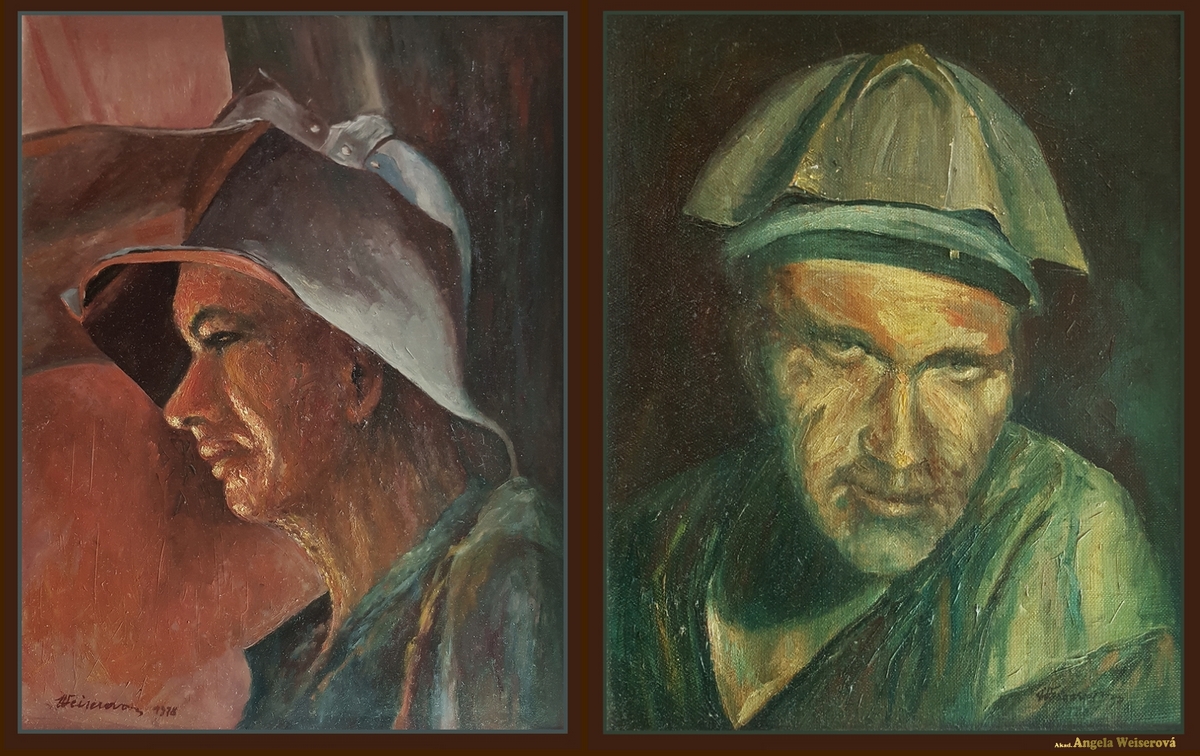
„Hutník“ je portrét muža zobrazeného v profile, kde Angela Weiserová využíva techniku olejomaľby na sololitovom plátne. Profilové zobrazenie zameriava pozornosť diváka na tvrdé črty tváre a vystihuje charakteristické rysy, ktoré sú často spojené s náročnou fyzickou prácou. Tlmené, zemitý odtiene hnedých a červených farieb umocňujú atmosféru diela, ktorá vyjadruje horúčosť a ťažobu hutníckeho prostredia.
Farebnosť dodáva obrazu pocit tepla a intimity, pričom svetelné kontrasty zjemňujú výraz mužovej tváre. Realistické spracovanie detailov kože a tieňov na líci pridávajú haptický rozmer, ktorý prenáša diváka priamo do hutníckeho prostredia.
Psychologicky dielo vyjadruje introspektívny moment. Muž, zobrazený v profile, akoby bol zahĺbený do svojich myšlienok. Profilové zobrazenie naznačuje izoláciu a sústredenie, čím sa vytvára dojem samoty a oddanosti práci. Výraz tváre muža pôsobí vážne a zrelé, čo evokuje skúsenosť, odhodlanie a vyčerpanie, ktoré sú súčasťou jeho každodenného života.
Filozoficky „Hutník“ predstavuje archetyp pracujúceho človeka, ktorého život sa točí okolo fyzickej práce. Práca sa stáva jeho identitou, a tým, že Angela Weiserová zachytáva tento okamih v profile, otvára priestor na reflexiu o hodnote a zmysle fyzickej práce v živote človeka. Dielo kladie otázky o pominuteľnosti telesnej sily a o tom, aký odkaz po sebe zanecháva práca rukami.
Dielo „Hutník“ môžeme prirovnať k práci nemeckej umelkyni Käthe Kollwitzovej, známej pre svoje empatické a realistické zobrazenie pracujúcich a chudobných ľudí v kontexte priemyselného veku. Kollwitzová vo svojich grafikách a maľbách často zachytávala utrpenie, no zároveň aj dôstojnosť pracujúcej triedy. Jej diela sú charakteristické emotívnou intenzitou a zobrazením ľudskej vytrvalosti tvárou v tvár nepriazni osudu.
Angely Weiserovej „Hutník“, podobne ako Kollwitzovej práce, nezobrazuje ideálneho človeka, ale autentický portrét, ktorý zachytáva únavu a námahu. Obaja umelci sa neboja použiť tmavšie, ťažké tóny na zdôraznenie prostredia a ťažkého života, ktorému sú ich postavy vystavené. Toto porovnanie ukazuje, ako Angela Weiserová nadväzuje na tradíciu umeleckej sociálnej kritiky, ktorú Kollwitzová pomohla definovať.
„Baník“ je portrét muža, ktorý na diváka hľadí priamo, pričom jeho výraz je prenikavý a takmer konfrontačný. Angela Weiserová opäť využíva olejomaľbu na sololite, ale tentoraz s dominantnými tmavozelenými a hnedými odtieňmi, ktoré podčiarkujú drsný a surový charakter baníckeho prostredia. Tvár muža je silno modelovaná svetlom, pričom hra svetla a tieňa zvýrazňuje jeho rysy a prehlbuje psychologický efekt obrazu.
Kompozícia a farebnosť vytvárajú pocit uzavretosti a osamelosti, čo sú typické pocity spojené s prácou pod zemou. Farby v tomto prípade pridávajú dielu takmer klaustrofobickú atmosféru, čím Angela Weiserová v divákovi vyvoláva pocit úcty k náročnej práci baníka.
Psychologicky je „Baník“ intenzívnejší a priamy, keďže mužov pohľad priamo oslovuje diváka. Tento priamy pohľad symbolizuje odvahu, sebavedomie a neústupnosť. Tvár pôsobí unaveno a tvrdo, čím Angela Weiserová zdôrazňuje psychickú a fyzickú námahu, ktorú si práca baníka vyžaduje. V pohľade muža možno vidieť aj náznak vzdoru a odhodlania, akoby bol pripravený čeliť každodenným nástrahám života.
Z filozofického hľadiska „Baník“ reprezentuje hlbokú introspekciu o ľudskej existencii a úlohe práce v živote človeka. Baník, ako symbol človeka v drsnom prostredí, predstavuje zápas ľudského ducha so silami prírody, a zároveň odhaľuje ľudskú odolnosť a vytrvalosť. Priamy pohľad muža je výzvou pre diváka, aby sa zamyslel nad hodnotou ľudskej práce, ktorá, hoci je ťažká a často prehliadaná, má svoje nezastupiteľné miesto v živote spoločnosti.
Oba obrazy – „Hutník“ a „Baník“ – sú tak nielen realistickými portrétmi, ale aj hlbokými psychologickými a filozofickými reflexiami o pracujúcej triede, ich každodennom živote a ich neviditeľnom prínose pre spoločnosť. Angela Weiserová svojimi dielami vzdáva hold sile a odhodlanosti týchto ľudí, pričom kladie dôraz na ich psychické i fyzické boje, ktoré zanechávajú nesmierny odkaz ľudskosti a obetavosti.
Dielo „Baník“ možno porovnať s prácou amerického umelca Ben Shahna, ktorý vo svojej tvorbe často zobrazoval pracujúcich a marginalizovaných ľudí, pričom sa zameriaval na výrazné, priam nekompromisné tváre a pohľady svojich subjektov. Shahnove obrazy a fotografie sú známe pre ich psychologickú hĺbku a dramatický kontrast, ktoré majú za cieľ zaujať a konfrontovať diváka s drsnou realitou života obyčajných ľudí.
Podobne ako Shahn, aj Angela Weiserová používa priame zobrazenie tváre baníka, čím posilňuje psychologický účinok obrazu. Oboch umelcov spája zmysel pre dramatický realizmus a záujem o individuálne osudy ľudí, ktorí sa denne stretávajú s fyzickými i psychickými nástrahami. Shahnove odvážne kompozície a intenzívne farby sa odrážajú v dramatickej atmosfére „Baníka“, čím poukazujú na Angela Weiserovej schopnosť zachytiť ducha obyčajných hrdinov.
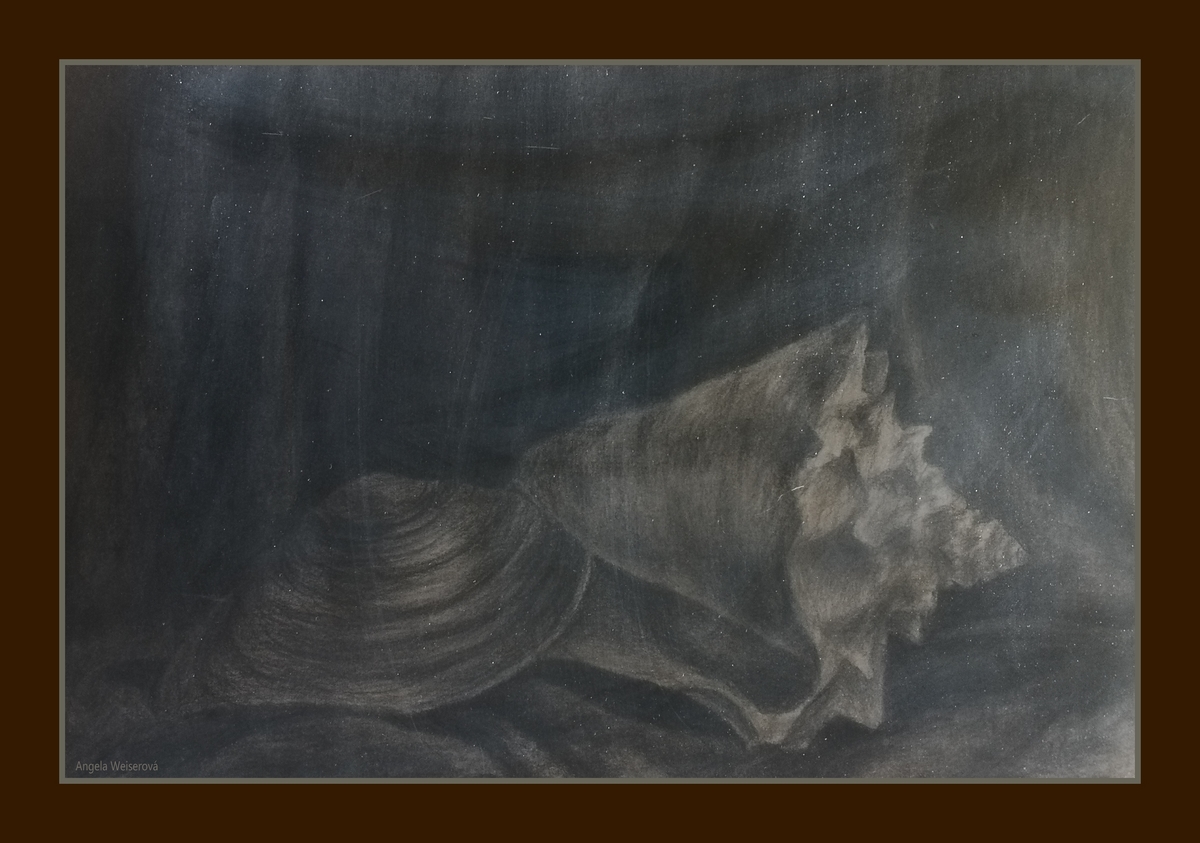
Dielo Zátišie od Angely Weiserovej je subtílná oslava prírodných tvarov, ktoré nachádzajú svoj význam a krásu aj v tieňoch a tichu. Táto uhlová kresba z roku 1965 nás uvádza do sveta, kde sa forma stáva absolútnou, kde špirála mušle prechádza z hmatateľnej skutočnosti do éterického priestoru symbolov. Tmavé pozadie, jemné línie a tlmené kontrasty vytvárajú harmonický súzvuk, akoby bol tento výjav fragmentom z univerzálneho vesmíru.
Angela Weiserová tu pracuje s uhlom, aby vyzdvihla zmyselnú hmatateľnosť štruktúry mušle, pričom ponecháva dostatok priestoru pre imagináciu. Tento detailný a meditáciou nasiaknutý prístup k zátišiu odhaľuje jej precíznosť a schopnosť jemne balancovať medzi materiálnym a transcendentálnym. Špirála mušle sa stáva symbolom života, ktorý nikdy nekončí, ktorý sa neustále vracia k svojmu počiatku a vyúsťuje v nové formy.
Zátišie tak nenápadne pripomína cyklickú povahu prírody a krásy, ktorá sa v skrytých formách neustále obnovuje. Vo svojej podstate pôsobí pozitívne, povzbudzuje k hlbšiemu vnímaniu sveta okolo nás, ako aj k objavovaniu nekonečnej krásy v každom, i tom najmenšom detaile. Je to tiché pripomenutie, že aj v zdanlivo obyčajnom a prehliadnuteľnom objekte možno nájsť hlboký zmysel a krásu, ak mu dovolíme, aby rozprával svoj príbeh.
Na filozofickej úrovni dielo rezonuje s ideou plynutia, večného návratu a rovnováhy. Mušľa tu funguje ako univerzálny symbol, pripomínajúci nám archetypálne vzorce v prírode a v ľudskom duchu. Táto kresba nás nabáda, aby sme sa ponorili do nekonečného pohybu prírody, kde každý detail, každá krivka a tieň majú svoj zmysel a svoje miesto. V tom spočíva Angele Weiserovej majstrovstvo – v schopnosti odhaliť harmóniu a krásu v zdanlivo jednoduchom, ale hlboko podmanivom výjave.
Prirovnať túto prácu môžeme k tvorbe francúzskeho umelca Odilona Redona, ktorý dokázal vnášať do svojich diel mystiku a duchovný rozmer. Rovnako ako Redon, aj Angela Weiserová vo svojom Zátiší prekračuje hranice realistického zobrazenia a prenáša nás do sveta snov a symbolov, kde každá línia a tieň majú svoje tajomstvo, svoj život a svoju vlastnú poéziu.
Dochované články a rozhovory:
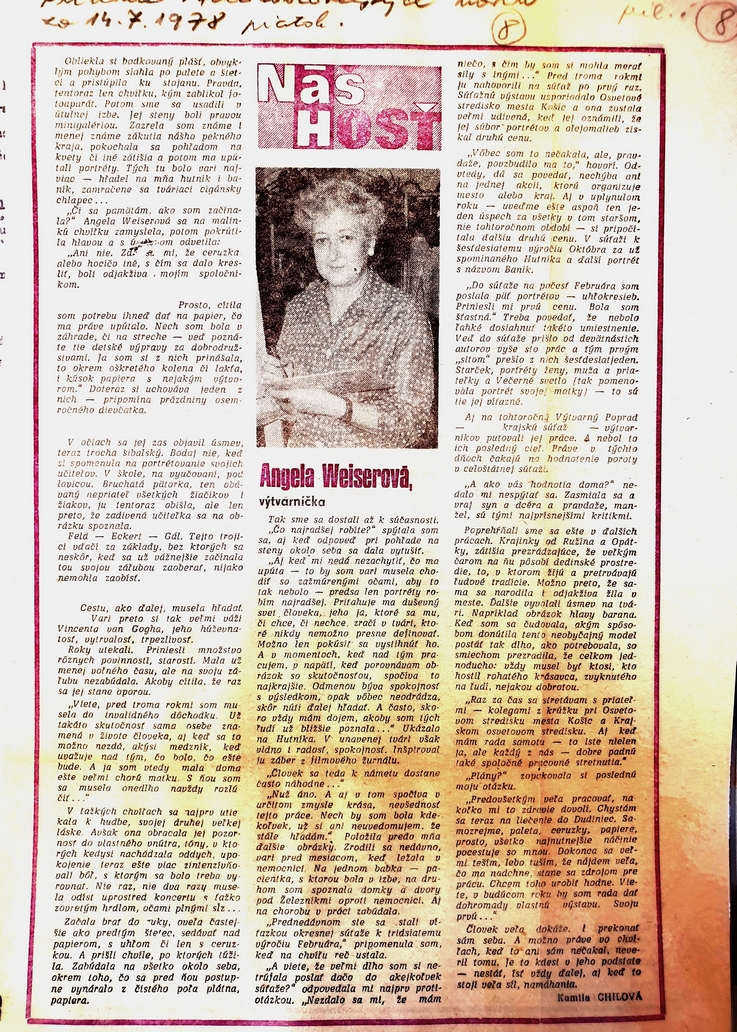
Článok o Angele Weiserovej, ktorý vyšiel pod názvom „Náš hosť“, prináša čitateľom pohľad na jej život, umeleckú kariéru a vnútorné prežívanie tvorby. Autorka Kamila Gilová popisuje Angely Weiserovej prístup k umeniu, jej inšpirácie a životnú cestu, ktorá ju priviedla k výtvarnému umeniu.
Osobná motivácia a začiatky: Angela Weiserová rozpráva o svojich umeleckých začiatkoch.
Vzťah k prírode a inšpirácia: Angela Weiserová nachádza inšpiráciu najmä v prírode a vo svojom okolí. Článok opisuje, ako čerpá z rôznych scenérií a miest, ktoré jej prinášajú vnútorný pokoj a umeleckú inšpiráciu. Príroda je pre ňu nielen motívom, ale aj zdrojom emócií, ktoré vkladá do svojich diel.
Umelecký štýl a technika: Autorka porovnáva jej štýl s Vincentom van Goghom, vyzdvihujúc jej húževnatosť, precíznosť a oddanosť umeniu. Angela Weiserová sa snaží zachytiť nielen vizuálnu stránku, ale aj atmosféru a hĺbku každého portrétu či krajiny. Každý ťah štetcom je pre ňu prostriedkom vyjadrenia vnútornej dynamiky.
Tvorba portrétov a výstavná činnosť: Článok zmieňuje aj jej lásku k portrétom, ktoré jej umožňujú ponoriť sa do charakteru a osobnosti zobrazovanej osoby. Angely Weiserová sa zúčastňovala na rôznych výstavách a súťažiach, kde boli jej diela často ocenené. Zvlášť dôležitým momentom v jej kariére bol úspech na výstavách venovaných pracujúcim a baníkom, kde jej portréty získali uznanie.
Osobné hodnoty a filozofia: Článok ponúka pohľad na jej osobnú filozofiu, ktorá sa odráža v jej umeleckej práci. Angela Weiserová vníma umenie ako prostriedok na hľadanie harmónie a krásy v každodennom živote. Opisuje aj vnútorný boj, s ktorým sa niekedy stretáva pri hľadaní dokonalosti vo svojich dielach, a zdôrazňuje, že umenie je pre ňu celoživotnou cestou.
Vplyv a dedičstvo: Angela Weiserová sa spomína ako umelkyňa, ktorá svojou prácou zanechala trvalú stopu v umeleckej komunite. Jej tvorba a osobnosť inšpirujú mladšie generácie a predstavujú vzor húževnatosti, talentu a lásky k umeniu.
Článok Kamila Gilová prináša hlboký pohľad na život a tvorbu Angely Weiserovej. Jej odhodlanie, umelecký prístup a životná filozofia sú dôkazom jej lásky k umeniu a schopnosti preniesť svoje vnútorné prežívanie do vizuálnych diel. Tento článok slúži ako pocta jej životu a kariére, ktorá bola významnou súčasťou slovenského výtvarného umenia.
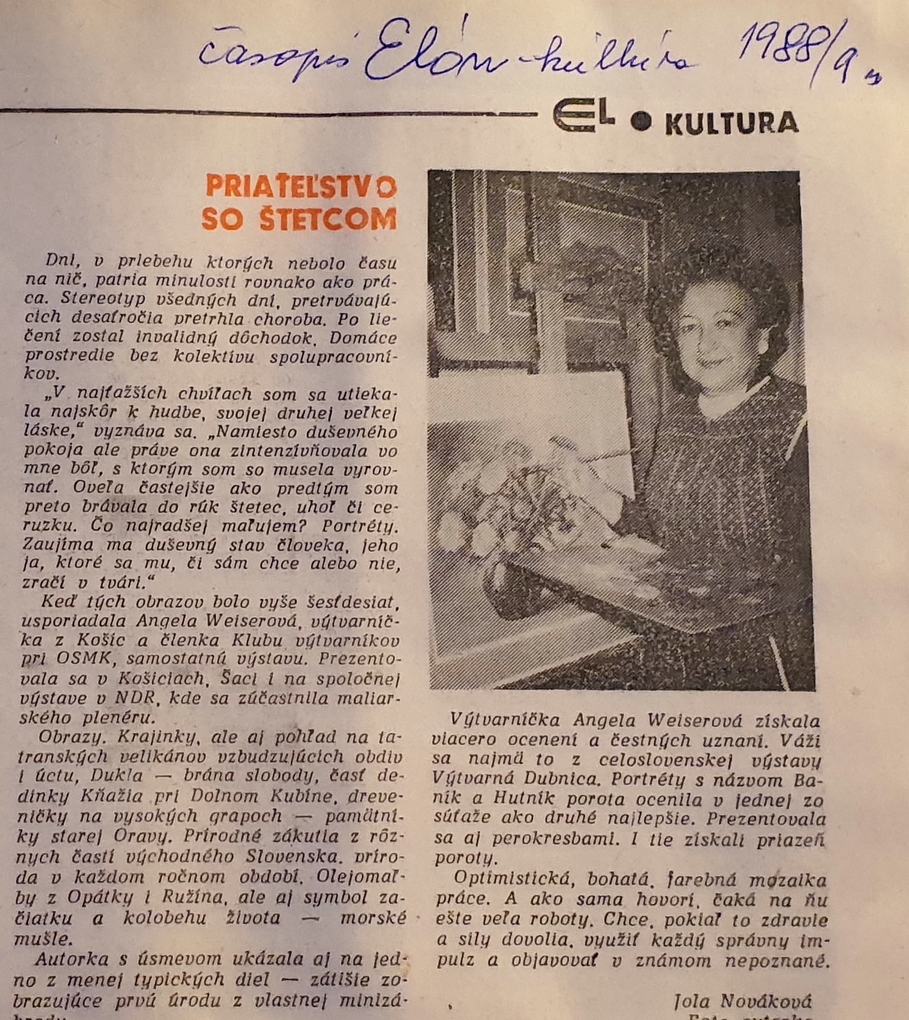
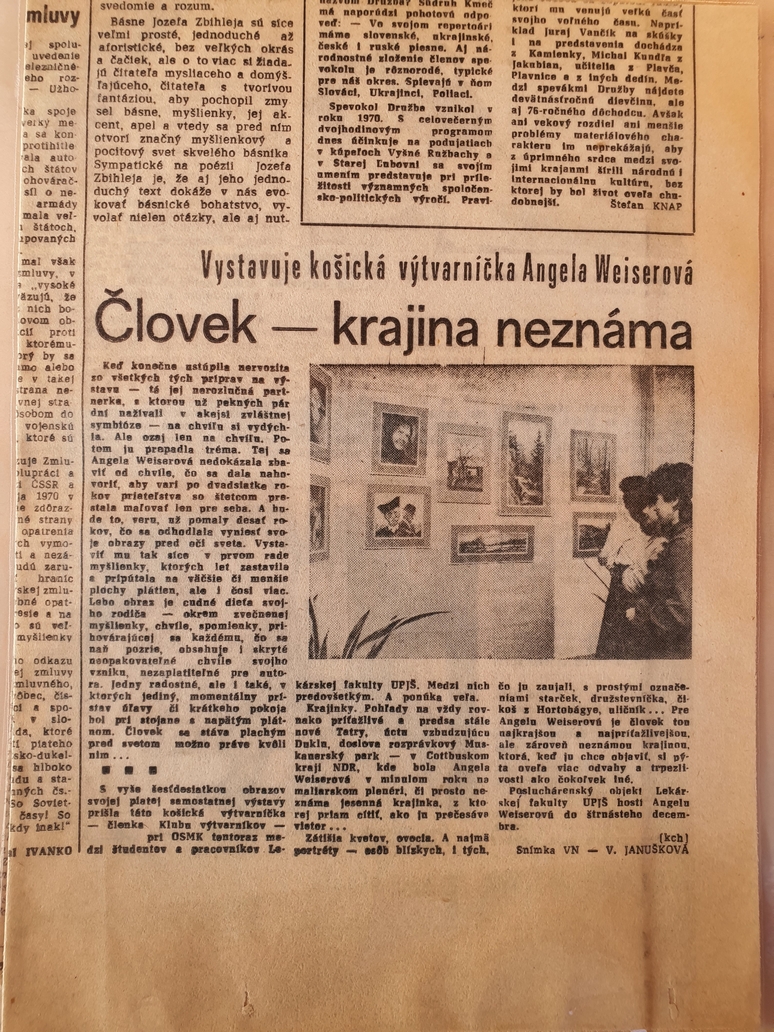
Článok k usporiadanej výstave, kde umelkyňa Angela Weiserová bola kurátorka výstavy, aj zberateľka umenia. Touto činnosťou sa zaoberala desiatky rokov. Jej umelecké pôsobenie v tejto oblasti vytvorilo blízke rodinné a priateľské vzťahy napríklad s J. Jakobym, V. Hložníkom, T. Gállom, Ľ. Feldom, Š. Filepom, V. Szmutkovou, J.Eckertom, Š.Roskoványim a mnohými ďalšími.
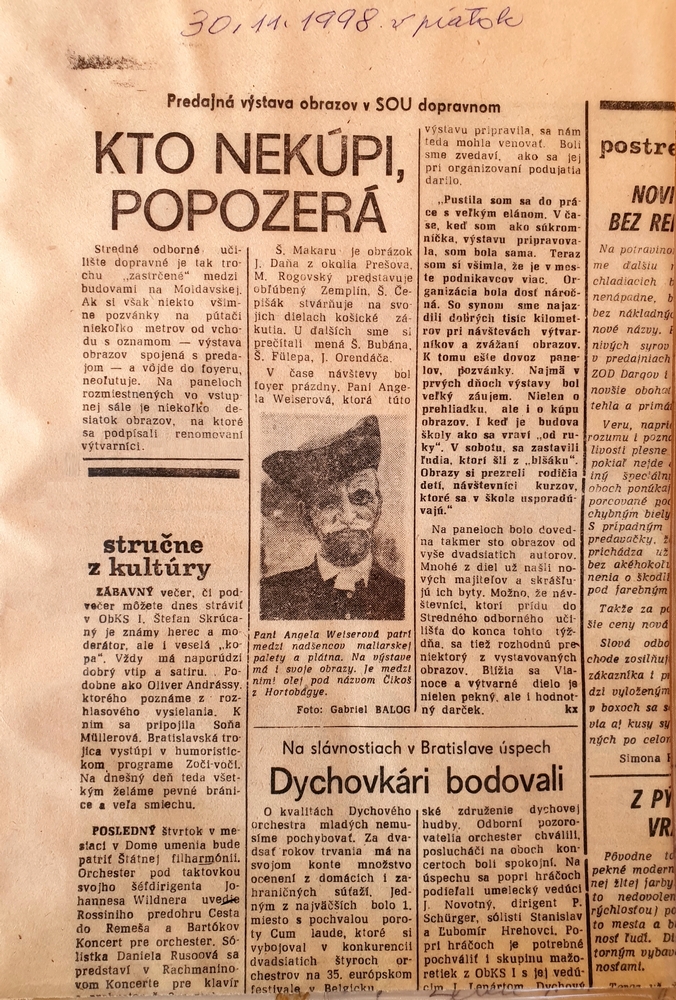
Článok s názvom „Kto nekúpi, popozerá“ sa venuje predajnej výstave obrazov, ktorá sa konala na Strednom odbornom učilišti dopravnom. Tento článok zachytáva atmosféru výstavy a významné osobnosti, ktoré sa na nej zúčastnili. Umelecká kurátorka a zberateľka umelkyňa Angela Weiserová tu vystupuje ako jedna z hlavných osobností, ktorá výstavu pripravila a zároveň zozbierala diela vystavených umelcov. Angela Weiserová sa desiatky rokov venovala kurátorskej a zberateľskej činnosti, a preto mala v slovenskej umeleckej komunite silné postavenie.
Účel výstavy:
Angela Weiserová ako kurátorka a zberateľka:
Rozmanitosť vystavených diel:
Atmosféra a cieľ výstavy:
Fotografia a komentár k dielu:
Táto výstava je príkladom angažovanosti Angely Weiserovej v slovenskej kultúre a jej neúnavnej práce ako kurátorky a zberateľky. Tým, že vystavovala diela a podporovala umelcov, pomáhala posilňovať umeleckú komunitu a udržiavať priateľské vzťahy s významnými osobnosťami slovenského výtvarného umenia. Angela Weiserová teda pôsobila nielen ako umelkyňa, ale aj ako sprostredkovateľka medzi umelcami a verejnosťou, čím prispela k šíreniu a popularizácii umenia na Slovensku.
V roku 1998 usporiadaná výstava s názvom PALETA,
kde umelkyňa Angela Weiserová bola organizátorka a kurátorka výstavy.
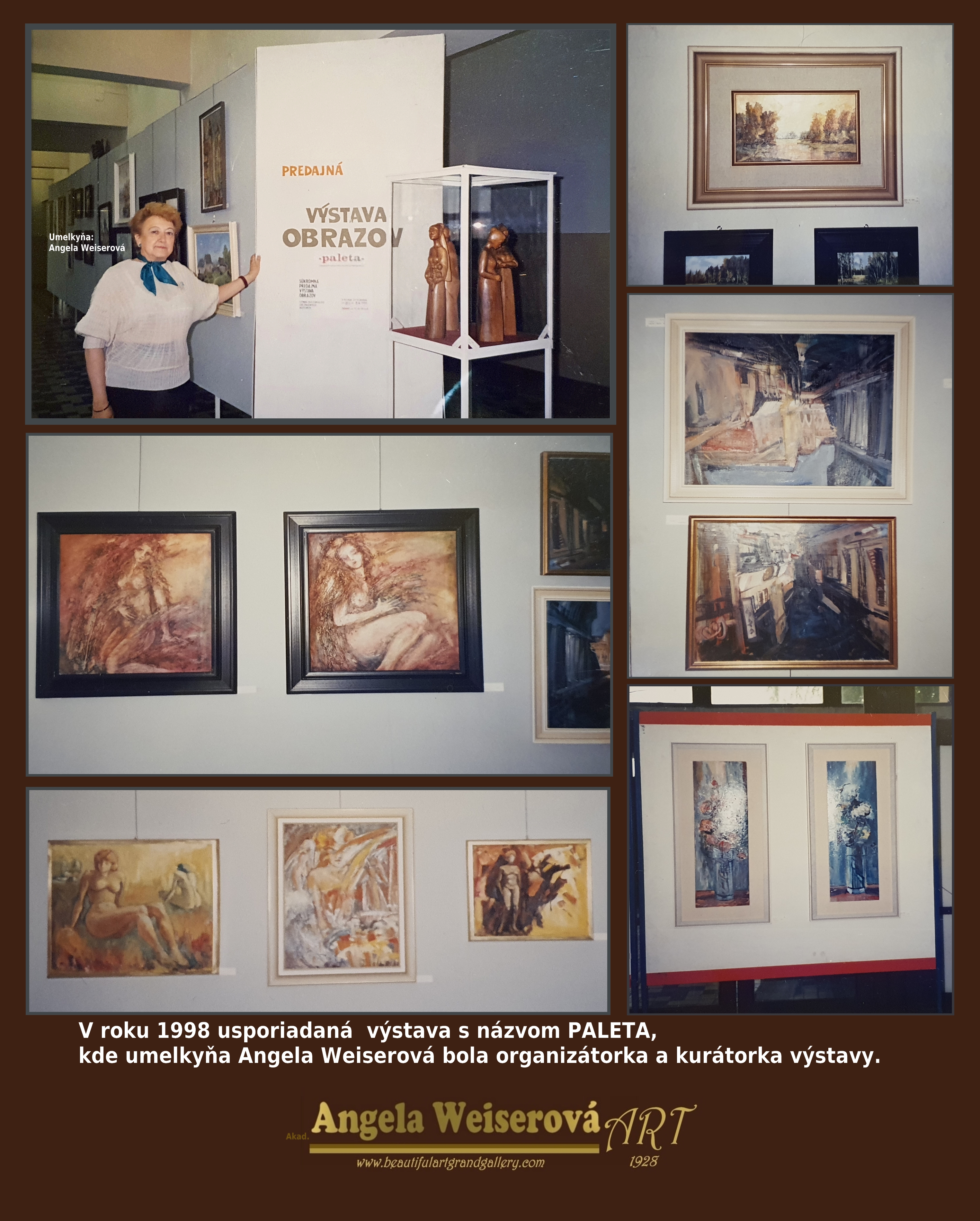
Vernisáž výstavy PALETA
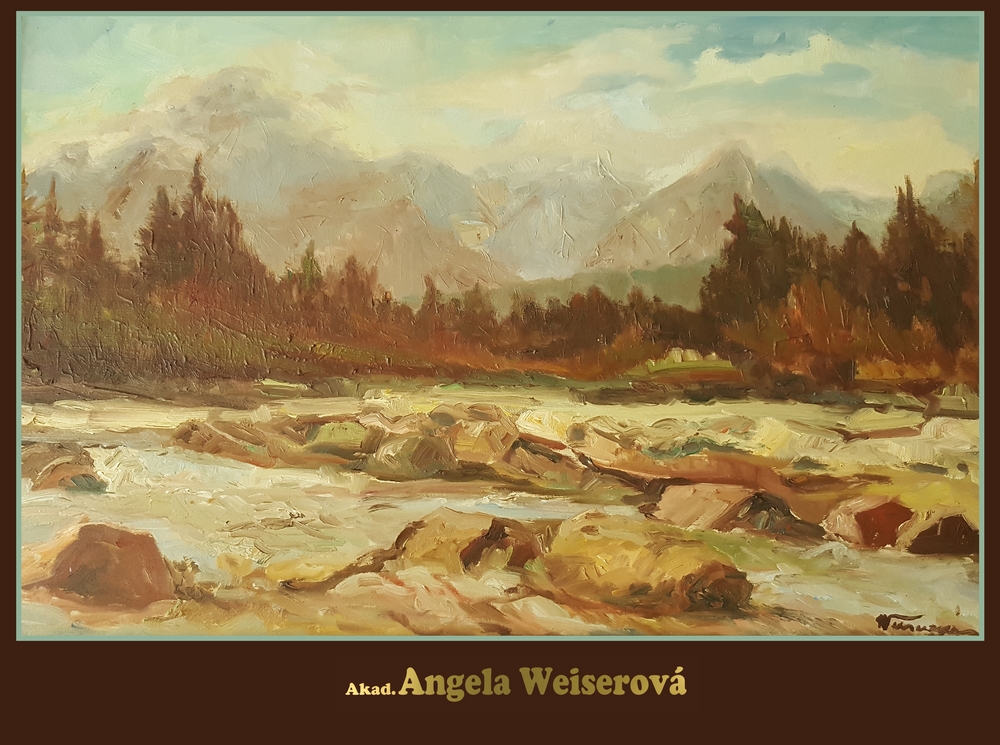
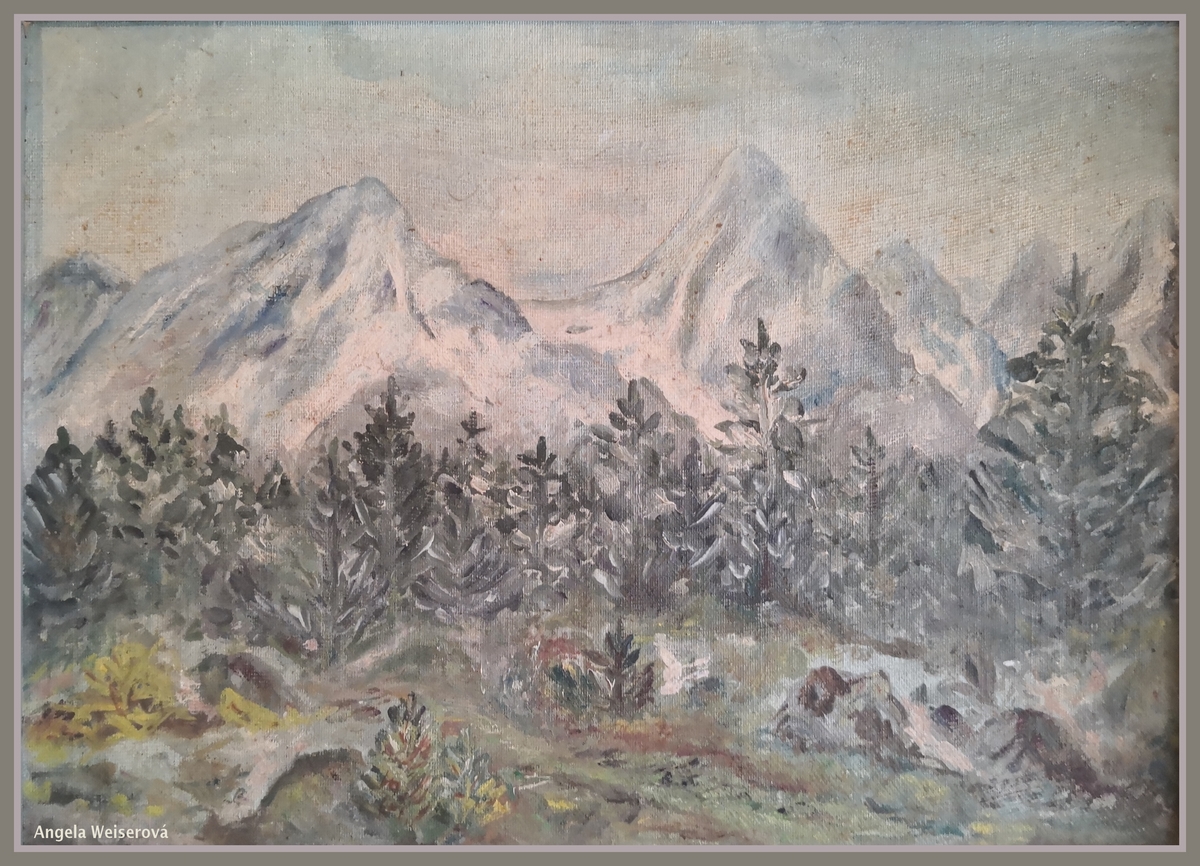
Tento obraz Angely Weiserovej, zobrazujúci horskú scenériu, je majstrovskou ukážkou jej krajinárskej techniky a citlivého prístupu k prírode. Angela Weiserová tu využíva farebné tóny, ktoré umocňujú atmosféru ticha a pokoja, zatiaľ čo dynamické ťahy štetcom zachytávajú pohyb a energiu rieky a jej okolia. V tomto diele sa snúbi jej impresionistický rukopis s realistickými prvkami, čo dodáva obrazu hĺbku a zároveň osobitý výraz.
Kompozícia a priestorová organizácia:
Farebná paleta a svetlo:
Textúra a technika štetca:
Vzťah k prírode a jej vnímanie:
Výrazový symbolizmus:
Emocionálny a duchovný vplyv:
Toto dielo Angely Weiserovej je viac než len krajinou na plátne; je to odraz jej duchovnej cesty, hľadania rovnováhy a rezonancie s prírodou. Využíva kompozičnú stabilitu a farebnú harmóniu na vyjadrenie svojho vnútorného pokoja a spojenia so svetom okolo seba. Svojou technikou a psychologickým prístupom dosahuje Angela Weiserová hlboký účinok, ktorý zasahuje do sféry emocionálneho vnímania diváka, pričom dielo ostáva verné zásadám impresionizmu i realistického zobrazovania. Tento obraz je reprezentatívnym príkladom jej schopnosti stvárniť prírodu s dôrazom na jemné nuansy a veľkolepú jednoduchosť, ktoré spolu vytvárajú majstrovské dielo plné života a pokoja.
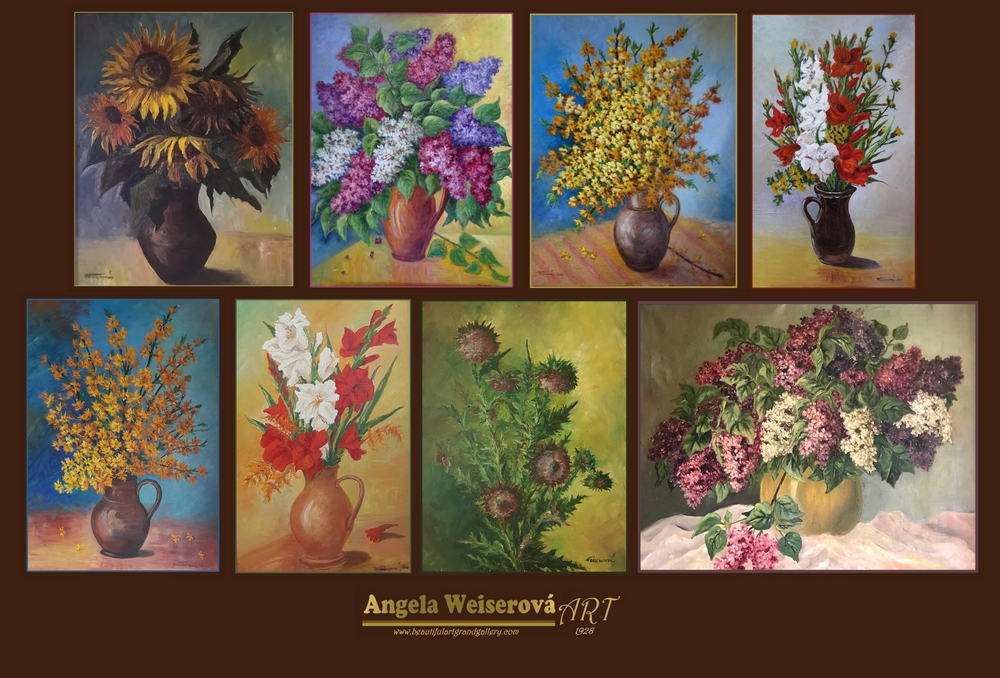
Tieto obrazy Angely Weiserovej, zobrazujúce rôzne druhy kvetov vo váze, odhaľujú jej zmysel pre detail, farebnosť a kompozíciu. Kvetinové zátišia sú jedinečné svojou živou farebnou paletou, ktorá odráža Angely Weiserovej schopnosť zachytiť krásu prírody s realistickým i poetickým nádychom.
Kompozícia a usporiadanie:
Farebnosť a svetlo:
Štruktúra a textúra:
Angele Weiserovej zátišia s kvetmi pôsobia harmonicky a upokojujúco, pričom zdôrazňujú krásu každodenných predmetov. Takéto zátišia majú aj introspektívny charakter, pretože umožňujú divákovi zamyslieť sa nad pominuteľnosťou a krehkosťou prírody. Kvety vo váze sú symbolom dočasnosti, ktorá podnecuje zamyslenie nad krásou chvíľkových okamihov. Rovnako ako kvetiny rýchlo odkvitnú, aj život je dočasný a vzácny.
Angele Weiserovej obrazy tak môžu byť vnímané aj ako meditácia nad životom a jeho krásnymi, no pominuteľnými momentmi. Tieto kvetinové zátišia slúžia ako upokojujúci prvok a pozývajú diváka k introspekcii a oceneniu jednoduchých radostí, ktoré príroda poskytuje.
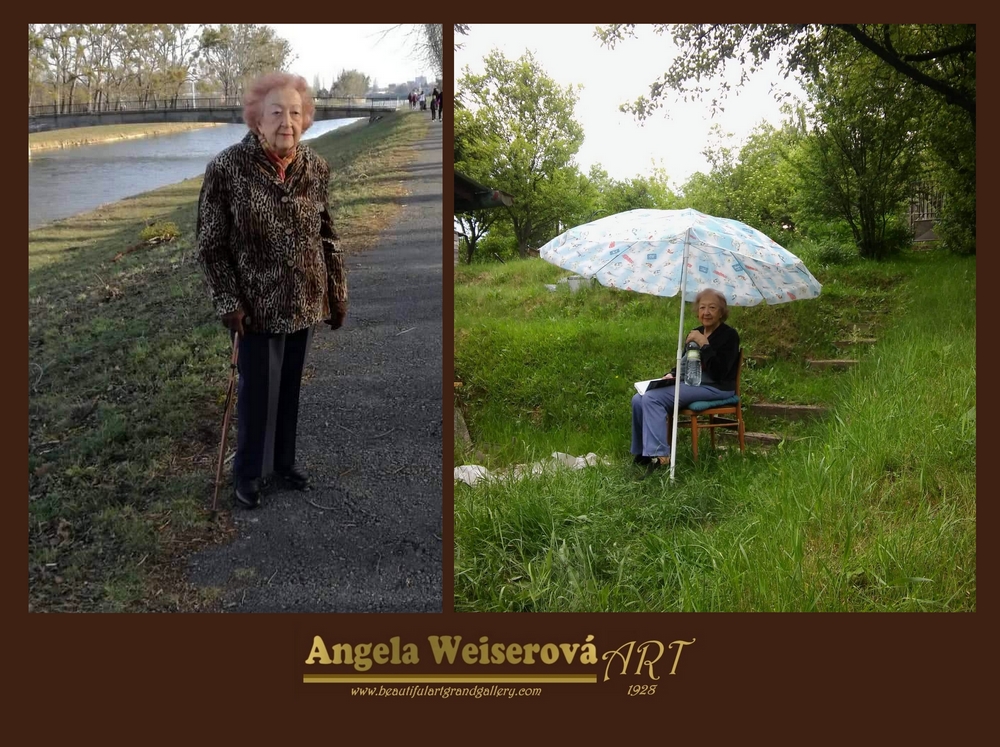
Tieto fotografie zobrazujú umelkyňu Angelu Weiserovú v rôznych momentoch jej života, pričom obe zachytávajú jej pokojné a zároveň silné spojenie s prírodou a prostredím okolo nej. Psychologicky sú tieto fotografie vyjadrením jej vzťahu k svetu, ktorý bol charakteristický hľadaním harmónie, pokoja a inšpirácie.
Na tejto fotografii vidíme Angelu Weiserovú, ako stojí s palicou pri brehu rieky. Táto scéna vyvoláva dojem ticha a introspekcie. Samotný akt chôdze alebo státia pri vode môže symbolizovať meditáciu, prepojenie s prírodou a zároveň symbol plynutia času. Voda je často metaforou toku života, čo môže naznačovať jej premýšľanie nad vlastnou životnou cestou, skúsenosťami a spomienkami. Jej výraz je pokojný, čo naznačuje vyrovnanosť a zmierenie, no zároveň aj silu a nezávislosť, ktoré boli pre ňu ako umelkyňu veľmi dôležité.
Táto fotografia zachytáva Angelu Weiserovú sediacu v prírode pod slnečníkom. Obraz pôsobí idylicky a vyvoláva dojem pokoja a jednoduchosti. Angela Weiserová sa tu usmieva, čo vyjadruje jej radosť a pohodlie v prírodnom prostredí. Slnečník je zaujímavým prvkom – vytvára ochranný priestor a symbolizuje útočisko či bezpečné miesto, kde sa môže pokojne venovať premýšľaniu alebo oddychu. Táto fotografia nám pripomína detskú radosť a lásku k jednoduchým potešeniam, ako je sedenie v tráve, čo odráža jej blízky vzťah k prírode a schopnosť nájsť krásu v bežných okamihoch.
Obe fotografie spoločne vypovedajú o jej osobnosti ako umelkyne a človeka, ktorý si váži ticho a blízkosť prírody. Pohybovanie sa v prírode, či už chôdza alebo pokojné sedenie, jej poskytuje priestor na introspekciu, čo je veľmi dôležité pre jej tvorbu a duševný pokoj. Zároveň je tu možné vidieť hĺbku jej prežívania, schopnosť oceniť obyčajné momenty a žiť v súlade s prírodou.
Fotografie môžu symbolizovať aj jej cestu za inšpiráciou. Pre maliarku, ktorá pracovala s prírodnými motívmi, boli tieto tiché momenty v prírode pravdepodobne základom pre jej umelecké vyjadrenie. Zachytenie jej osamote v prírode je odrazom jej vlastnej duševnej nezávislosti a schopnosti nachádzať krásu a pokoj v jednoduchých veciach, čo sú vlastnosti, ktoré jej pomáhali vo výtvarnej tvorbe a živote.
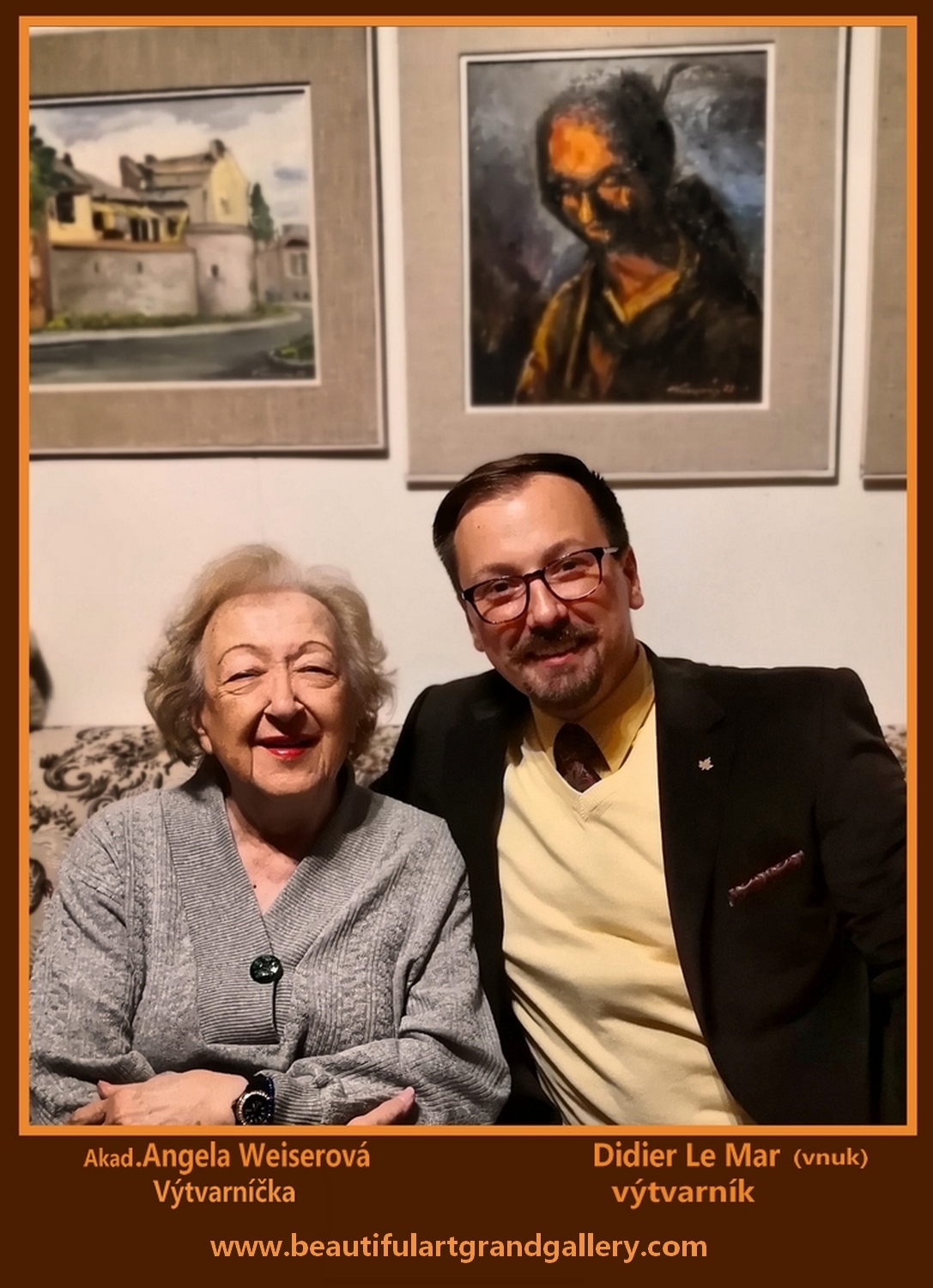
Táto fotografia predstavuje Angelu Weiserovú v spoločnosti jej vnuka Didier Le Mar, obaja umelci a predstavitelia umeleckej rodinnej línie. Tento obraz nielenže zachytáva ich vzťah, ale tiež naznačuje pokračovanie umeleckej tradície, ktorá sa prenáša z generácie na generáciu. Fotografia pôsobí intímne a srdečne, čo posilňuje vnímanie rodinných a umeleckých hodnôt, ktoré obaja zdieľajú.
Fotografia je jednoduchá a priam centrálna. Obaja protagonisti sú umiestnení vedľa seba v popredí, čím sú stredobodom fotografie, zatiaľ čo pozadie tvorí vidíme umelecké diela. Tento aranžmán umožňuje divákovi vnímať ich nielen ako členov rodiny, ale aj ako umelcov. Výrazy ich tvárí a držanie tiel naznačujú vzájomnú blízkosť a súzvuk, čo dodáva fotografii emocionálny náboj.
Výraz Angely Weiserovej je jemný a radostný, pôsobí spokojne a hrdím dojmom. Tento výraz reflektuje jej životné skúsenosti a dosiahnutý umelecký úspech, ako aj radosť z toho, že má vedľa seba vnuka, ktorý pokračuje v rodinnej umeleckej tradícii. Didier Le Mar pôsobí rovnako spokojne, jeho pozícia naznačuje rešpekt a úctu k svojej starej mame a mentorke. Jeho výraz je priateľský a prístupný, čo odráža súlad a harmóniu medzi týmito dvoma generáciami.
Tento medzigeneračný vzťah odhaľuje dôležitosť prenosu nielen umeleckého talentu, ale aj hodnôt a skúseností. Ich spojenie je symbolom kontinuity, ktorá presahuje individualitu a stáva sa súčasťou širšieho umeleckého dedičstva.
Na pozadí vidíme umelecké diela, ktoré symbolizujú ich spoločnú tvorivú cestu a pripomínajú nám ich vzájomnú inšpiráciu. Pre Angelu Weiserovú sú tieto obrazy vyjadrením jej celoživotnej práce, zatiaľ čo pre Didiera Le Mara predstavujú dedičstvo a inšpiráciu, na ktorej môže ďalej budovať. Umelécke pozadie tak dodáva fotografii ďalšiu vrstvu významu – spojenie medzi generáciami nie je len biologické, ale predovšetkým umelecké.
Táto fotografia predstavuje harmonické spojenie medzi staršou a mladšou generáciou, kde sa umelecké hodnoty a tradície prenášajú a rozvíjajú. Angela Weiserová a Didier Le Mar sa na fotografii javia ako pevne prepojení nielen cez krvné puto, ale aj cez zdieľanú lásku k umeniu. Táto fotografia tak vypovedá o hĺbke rodinných vzťahov, dôležitosti umeleckého dedičstva a o sile, ktorú prináša zdieľaná vášeň pre umenie.
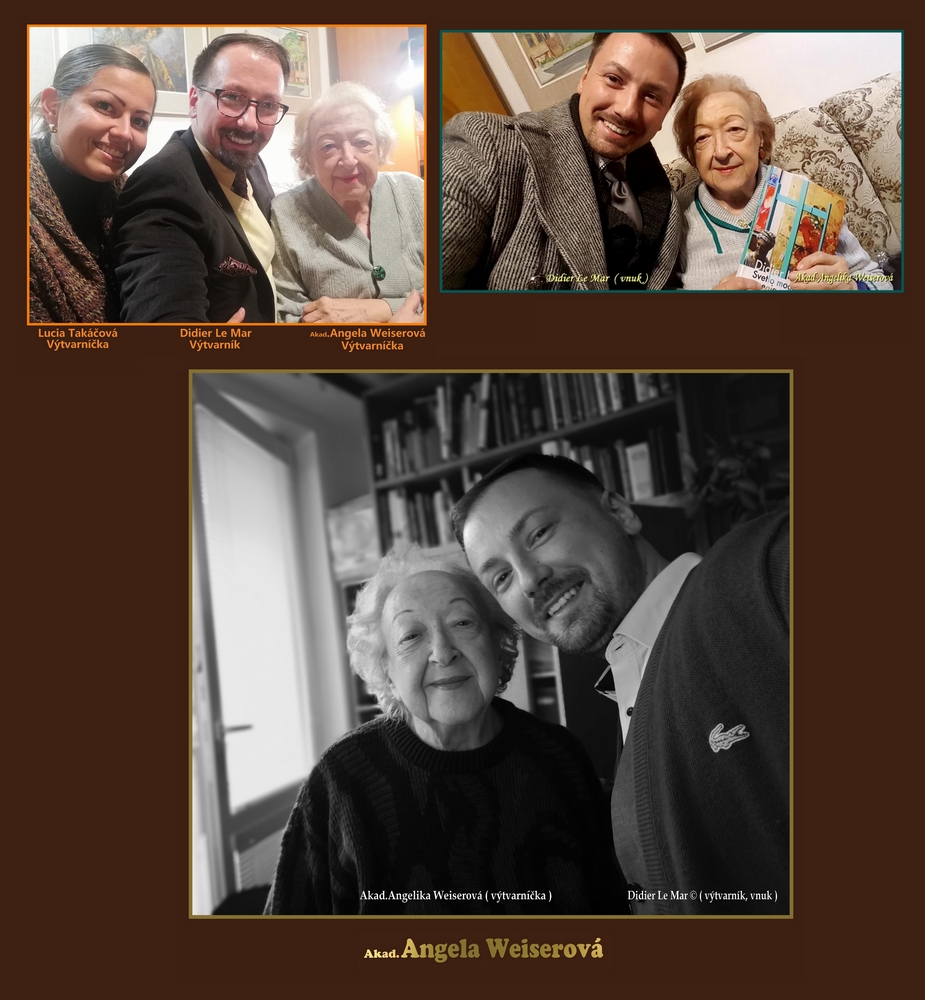
VIDEO: Na konci videa hovorí umelkyňa Angela Weiserová osobne.
Link k videu: https://www.youtube.com/watch?v=oDYeZQ2BtC8
Motto Angely Weiserovej
MOTTO:
Netráp sa nikdy za ránom,
veď zajtra iné príde.
A slnko čo dnes zapadlo,
to isté zajtra vyjde.
Utri si tvár a usmievaj sa
uplakanými očami,
veď každý deň niečo pekné končí,
a niečo pekné začína.
Vyjadruje jej životnú filozofiu, ktorá sa zameriava na optimizmus, nádej a schopnosť prekonať ťažkosti s vedomím, že každý deň prináša nové začiatky. Táto myšlienka je v súlade s jej umeleckou tvorbou, ktorá tiež odzrkadľuje pozitívny vzťah k životu a prírode.
Publikácie pre rok 2025 až 2026
Kniha: Angela Weiserová, 70 rokov výtvarnej tvorby
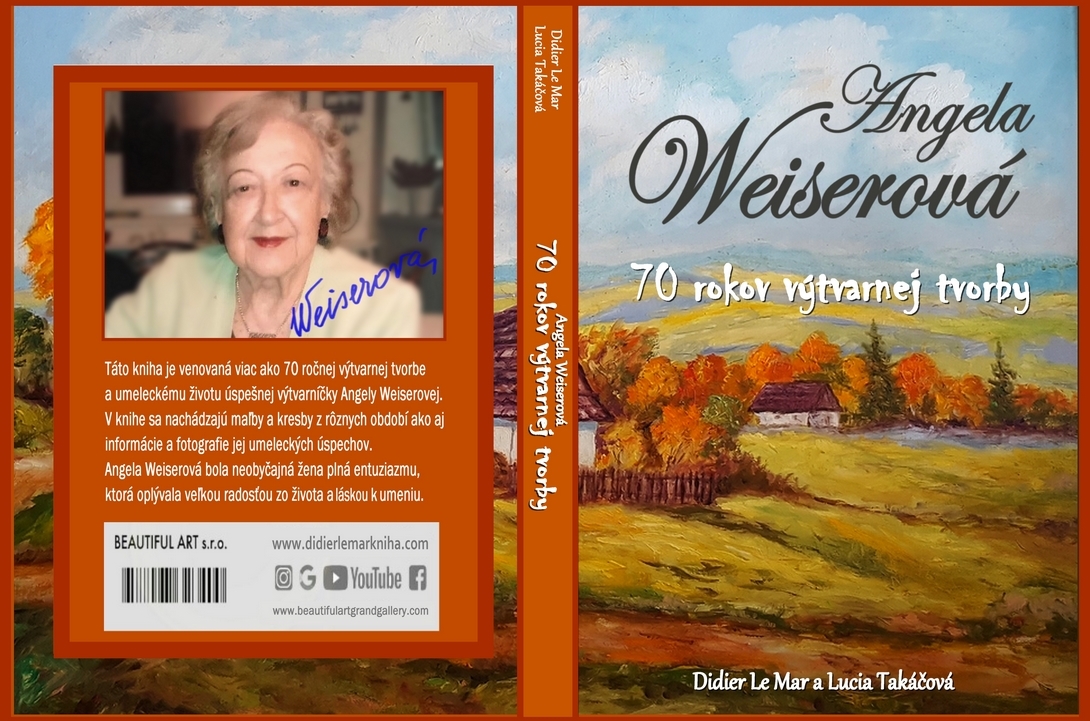
Kniha: Angela Weiserová Portréty

Autor článku: ARTTEO magazín Copyright © 2024 / Všetky práva vyhradené
